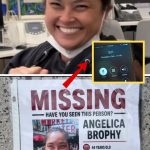
“$100,000 TO MAKE IT LOOK LIKE AN ACCIDENT?” — A SHOCKING CLAIM ABOUT JUDGE ASHLEE COLE SENDS THE NOLAN WELLS CASE INTO ANOTHER FIRESTORM
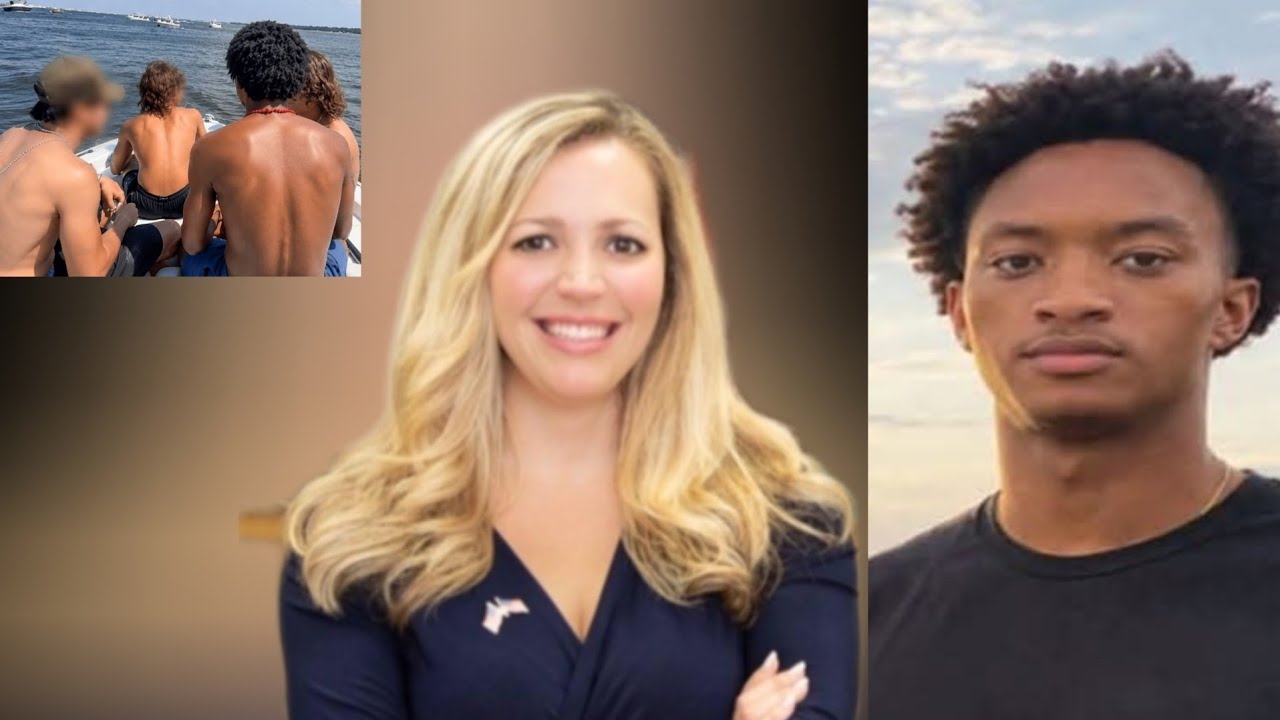
“$100,000 TO MAKE IT LOOK LIKE AN ACCIDENT?” — A SHOCKING CLAIM ABOUT JUDGE ASHLEE COLE SENDS THE NOLAN WELLS CASE INTO ANOTHER FIRESTORM
A dramatic allegation is spreading online: Was a recording made of Judge Ashlee Cole allegedly offering police $100,000 to ensure Nolan Wells’ death was classified as an accidental drowning?
There is, however, one critical problem with the story:
No credible public source has verified that such a recording exists.
And that distinction matters.
The Nolan Wells investigation has already become one of the most intensely debated cases on social media, with competing narratives, disputed timelines, alleged screenshots, viral videos and unverified claims spreading rapidly.
Now another explosive allegation has entered the conversation — one involving Jackson County Chancery Judge Ashlee Cole.
But before the internet turns an allegation into a verdict, there are several questions that need to be answered.
THE CLAIM THAT IS SPREADING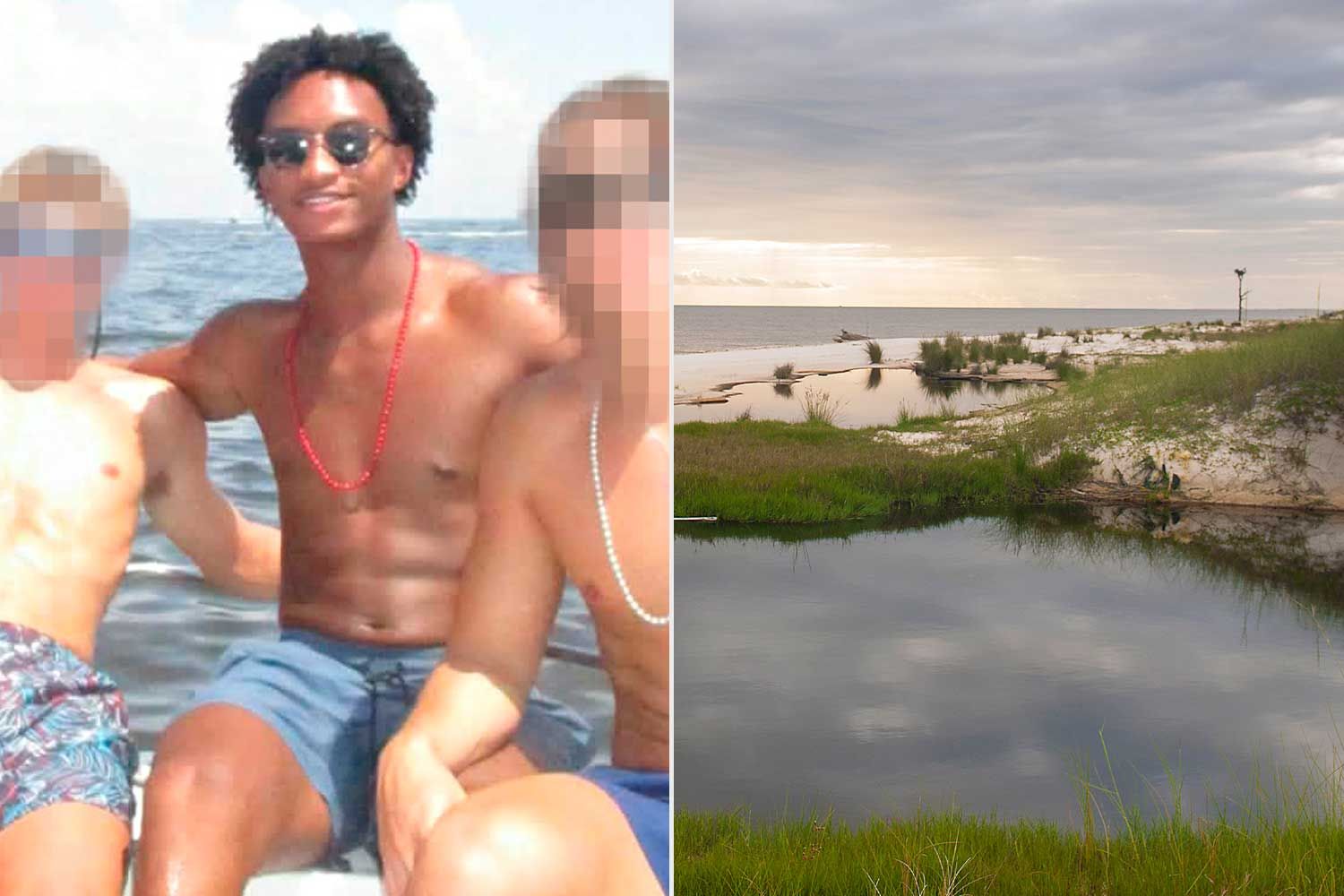
According to the online allegation, an audio recording supposedly captures Cole discussing a payment of $100,000 with police in connection with the investigation into Nolan Wells’ death.
The alleged purpose of the payment, according to the claim, was to influence how Nolan’s death would ultimately be classified.
If such a recording were authentic, it would obviously be an extraordinary development.
But at present, there is no publicly verified audio recording, transcript, police document, court filing or credible news report establishing that this conversation occurred.
That means the allegation remains exactly that:
an allegation.
It should not be presented as an established fact.
WHY ASHLEE COLE IS ALREADY PART OF THE STORY
Cole is not a random name pulled into the case.
She is a Jackson County Chancery Court judge and the stepmother of Warren Hudson, one of the teenagers who accompanied Nolan on the July 4 trip to Horn Island.
That connection has placed Cole under intense public scrutiny.
She has publicly addressed the investigation and defended her family’s position.
Cole previously said her son Warren had been interviewed by the Jackson County Sheriff’s Department and had cooperated with investigators.
She also said Warren last saw Nolan around 3 p.m. on July 4 and that the group later left the island because of problems with the boat.
Those statements have made Cole a prominent figure in the public discussion surrounding the case.
But being connected to a person involved in an investigation is not evidence that someone participated in wrongdoing.
THE $100,000 QUESTION
The alleged $100,000 payment is the part of the story that requires the most scrutiny.
Where did the number come from?
Who allegedly recorded the conversation?
When was the recording made?
Where was it recorded?
Is the original audio available?
Has the voice been authenticated?
Was the recording edited?
Does a transcript exist?
Has law enforcement acknowledged receiving it?
Has a court ever considered it?
These questions are not minor details.
They determine whether the allegation is a potentially important piece of evidence or simply another unsupported story circulating online.
Without answers, nobody can responsibly say that Judge Cole offered police money.
IF THE AUDIO REALLY EXISTS, AUTHENTICATION WOULD BE EVERYTHING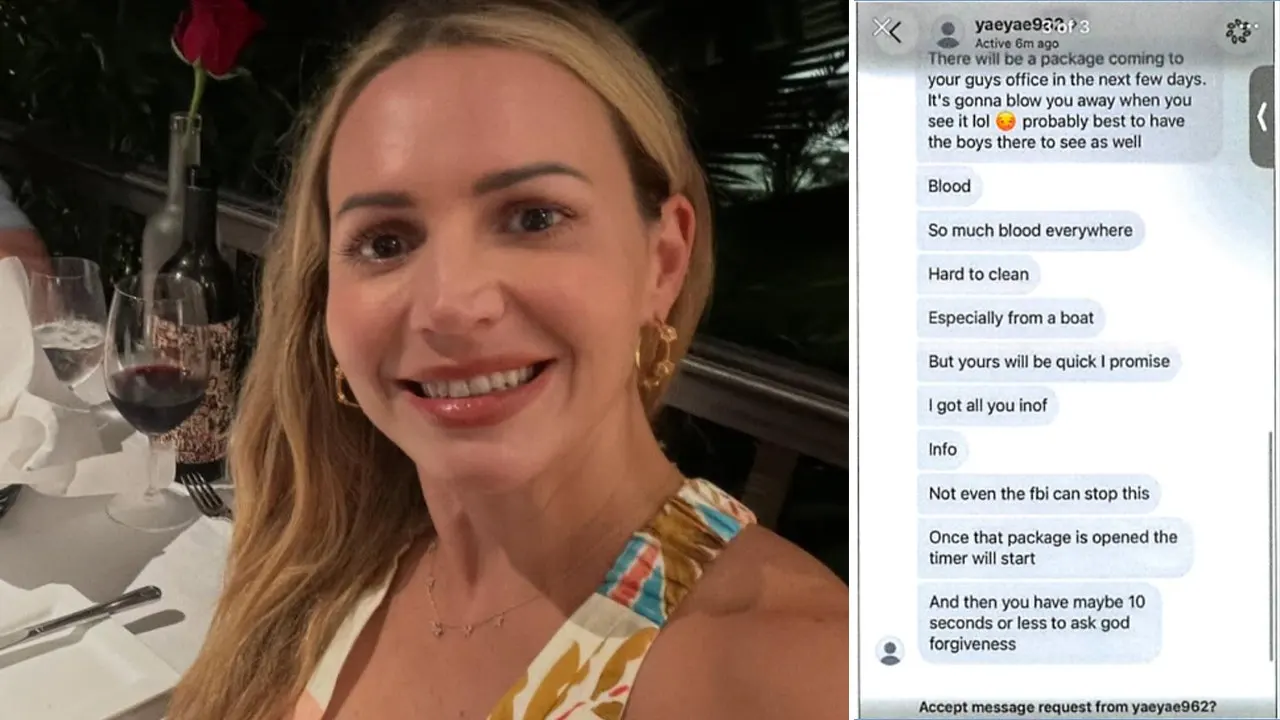
An audio file appearing on social media is not automatically evidence.
Investigators would need to establish its origin.
They could examine the original file and its metadata.
They could determine whether there are signs of editing.
They could analyze the voices.
They could compare the recording with known speech samples.
They could investigate who created the recording and how it was obtained.
They would also need to determine whether the conversation occurred in the context being claimed.
A short audio clip can be misleading if surrounding portions have been removed.
A statement can sound completely different when the preceding and following conversation are known.
That is why the full original recording would matter far more than a 20-second clip circulating on social media.
WHAT IS ACTUALLY DOCUMENTED ABOUT COLE?
There is a documented public record showing that Cole has spoken about the Nolan Wells investigation.
She said she temporarily deactivated her social-media accounts because she feared for the safety and privacy of her children amid the escalating online controversy.
She also said her family was grieving Nolan’s death and that Warren had cooperated with investigators.
In another statement, Cole said her family did not want to use the media to further discuss the facts of July 4 and that they were willing to communicate directly with Nolan’s family and attorney Ben Crump.
Those statements are documented.
The alleged $100,000 recording is not.
That distinction should remain at the center of any responsible report.
THE INVESTIGATION HAS ALREADY ATTRACTED SERIOUS THREATS
The controversy surrounding the case has gone far beyond ordinary online debate.
Authorities have investigated threats against people connected to the case.
One man was federally charged after allegedly sending Cole a social-media message threatening to send a bomb to her office. According to federal court documents cited by ABC News, the message contained graphic threats of violence.
Other people have also been charged in connection with threats involving witnesses, officials and others connected to the investigation.
This development is important for another reason.
It demonstrates how quickly online speculation surrounding Nolan’s death has escalated into real-world consequences.
A theory posted online can become a threat.
A rumor can become an accusation.
And an accusation can potentially put real people in danger.
That is why extraordinary claims require extraordinary verification.
THE REAL NOLAN WELLS QUESTIONS REMAIN
The controversy surrounding the alleged recording should not distract from the central questions investigators are actually trying to answer.
Nolan Wells was 18 when he went to Horn Island on July 4.
His friends later returned without him.
Nolan’s body was discovered on July 6.
The investigation has continued, with federal authorities assisting with aspects of the digital evidence and local investigators interviewing numerous witnesses.
The circumstances surrounding his death remain heavily debated.
That uncertainty has created fertile ground for theories.
But an unresolved case does not mean every theory is true.
THE “ACCIDENTAL DROWNING” CLAIM ALSO NEEDS CONTEXT
The alleged recording supposedly involves an attempt to make Nolan’s death appear to be an accidental drowning.
But that phrase itself requires careful treatment.
Authorities initially suspected drowning and said there were no apparent signs of foul play.
However, Nolan’s family has continued to question the circumstances of his death and has pursued additional investigation.
The existence of questions does not prove homicide.
Likewise, the initial suspicion of drowning does not automatically answer every question about how Nolan entered the water.
The forensic evidence and complete investigative record are what ultimately matter.
COULD A RECORDING CHANGE EVERYTHING?
Hypothetically, yes.
If a genuine recording emerged showing a public official attempting to influence investigators through an illegal payment, it could dramatically change the legal and investigative landscape.
But the hypothetical should not be confused with reality.
For such a recording to become meaningful evidence, investigators would first need to prove:
The recording is genuine.
The voices are correctly identified.
The conversation actually occurred.
The context has not been distorted.
The alleged payment was real or seriously proposed.
The conversation was connected to the Nolan Wells investigation.
And critically:
There must be evidence independent of the recording supporting what the recording appears to show.
Until then, it remains an unverified claim.
SOCIAL MEDIA HAS ALREADY CREATED A SECOND INVESTIGATION
One of the strangest features of the Nolan Wells case has been the enormous parallel investigation taking place online.
People have analyzed photographs.
They have reconstructed timelines.
They have searched social-media accounts.
They have circulated supposed documents.
They have examined boat movements.
They have debated witness statements.
And they have produced theories about almost every person connected to the case.
Some of this material may generate legitimate leads.
But much of it remains unverified.
That is why authorities have had to deal not only with the original investigation, but also with misinformation and threats generated by the online reaction.
THE QUESTION IS NOT “DOES IT SOUND REAL?”
An audio clip can sound convincing.
A screenshot can look authentic.
A document can contain official-looking language.
A person can tell a story with extraordinary confidence.
None of those things establish truth.
The correct question is:
Can it be independently verified?
That is the standard the Nolan Wells case desperately needs.
WHAT WOULD HAPPEN IF THE RECORDING WERE PRODUCED?
If someone claiming to possess the alleged recording released the original file, the next step should not be immediate public judgment.
It should be preservation.
Investigators would want the original file rather than a compressed social-media copy.
They would want information about who created it.
They would want to know when and where it was recorded.
They would examine whether the file had been altered.
They would identify the voices.
They would compare the conversation with known events.
And they would determine whether other evidence supports what is being claimed.
If everything aligned, the recording could become significant.
If the audio proved manipulated or fabricated, the story could collapse just as quickly.
ONE THING IS ALREADY CLEAR
The Nolan Wells investigation is no longer simply a local tragedy.
It has become a national online controversy.
The case has generated public demonstrations, legal scrutiny, competing investigations, social-media campaigns and even criminal charges against people accused of making threats against those connected to it.
That makes accuracy more important than ever.
Because every new claim can influence public opinion before investigators have a chance to verify it.
THE BIG QUESTION
So, was Judge Ashlee Cole secretly recorded offering police $100,000 to make Nolan Wells’ death look like an accident?
There is currently no credible public evidence establishing that this happened.
No authenticated recording has been publicly produced.
No verified transcript has established such a conversation.
No credible court filing has confirmed the alleged payment.
And no authoritative law-enforcement statement has validated the claim.
What is documented is that Cole’s son was among the people who accompanied Nolan to Horn Island, that Cole has publicly addressed the case, and that she and her family have faced serious online threats as the investigation continues.
That is where the facts currently stand.
But if an authentic recording does emerge, the story could change dramatically.
Until then, the most important thing investigators, journalists and the public can do is resist the temptation to turn an explosive allegation into a proven fact.
Because in a case already filled with unanswered questions, the next real breakthrough should come from evidence — not from the loudest rumor online.