MISSING LOS ALAMOS LAB WORKER FOUND DE@D — AUTOPSY DEEPENS THE MYSTERY SURROUNDING HER FINAL MOMENTS
MISSING LOS ALAMOS LAB WORKER FOUND DEAD — AUTOPSY DEEPENS THE MYSTERY SURROUNDING HER FINAL MOMENTS
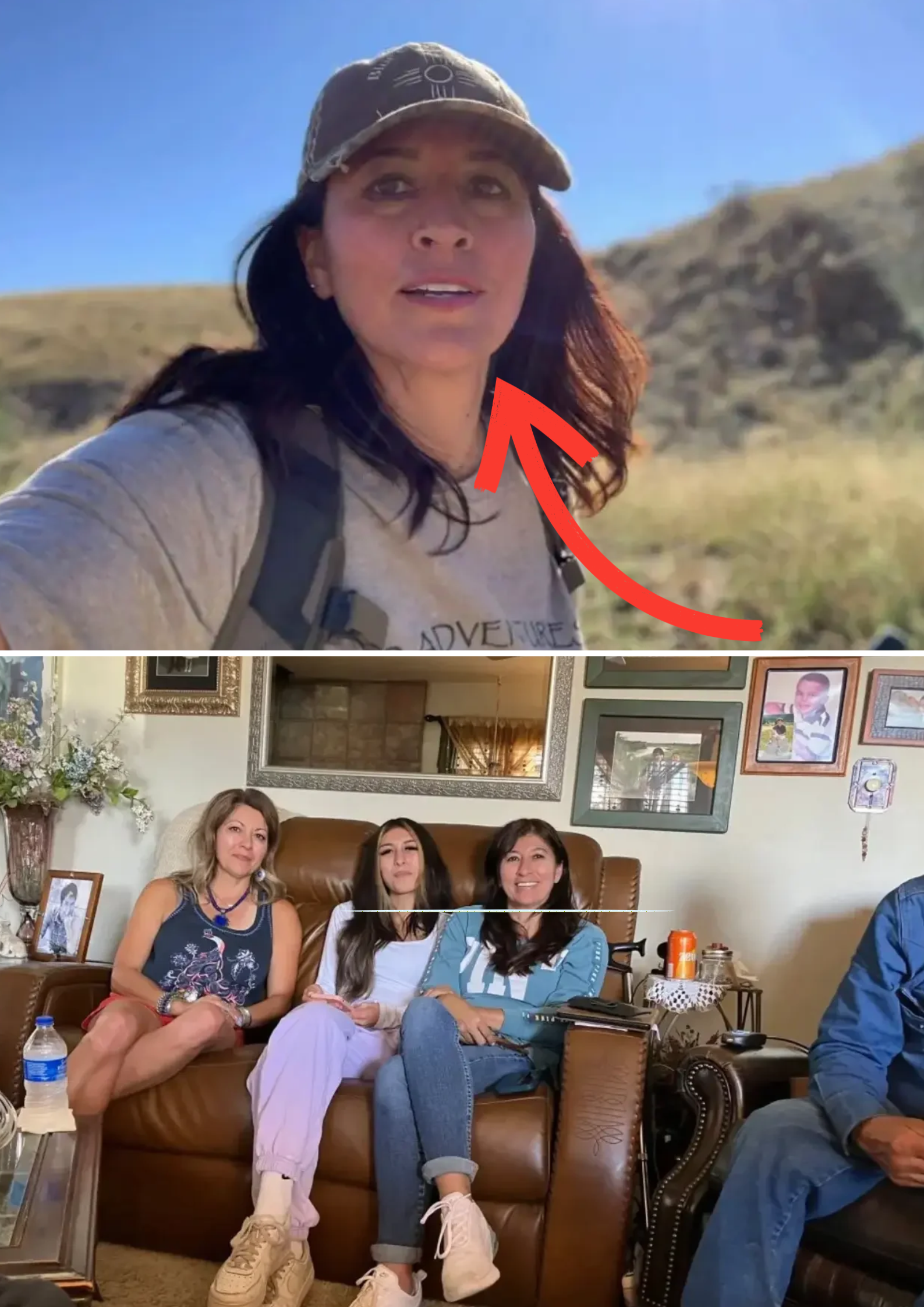
NEW MEXICO — For nearly a year, the family of Melissa Casias searched for answers after the 54-year-old Los Alamos National Laboratory worker disappeared without explanation.
Now, investigators know how she died.
But they still cannot say how her death happened.
A newly released autopsy report found that Casias died from a gunshot wound to the head. Yet because her remains were discovered in an advanced state of decomposition, medical examiners could not determine whether the wound was self-inflicted. Her manner of death was therefore classified as undetermined.
That single finding has left a case that was already filled with unanswered questions even more complicated.
 A DISAPPEARANCE THAT LEFT HER FAMILY SEARCHING
Casias disappeared in 2025 while working at Los Alamos National Laboratory in New Mexico.
Her daughter reported her missing after discovering that several important belongings — including Casias’ phones, wallet, identification and laptop — had been left behind at her home in Taos.
But Casias herself was gone.
Nearly a year later, a hiker discovered her remains in a remote area of northern New Mexico. A handgun was found nearby, and investigators later used dental records to confirm her identity.
For her family, the discovery finally answered one devastating question: where Melissa was.
It immediately raised another.
THE AUTOPSY COULD NOT DETERMINE WHETHER THE SHOOTING WAS SELF-INFLICTED
The condition of Casias’ remains severely limited what investigators could determine.
According to the medical examiner’s report, the advanced decomposition prevented reliable conclusions about the range of the gunshot and other possible injuries, soft-tissue damage and underlying medical conditions.
As a result, officials could establish the cause of death but not the manner of death.
In other words, the medical examiner determined that the gunshot killed Casias — but could not establish whether it was suicide, homicide or another circumstance.
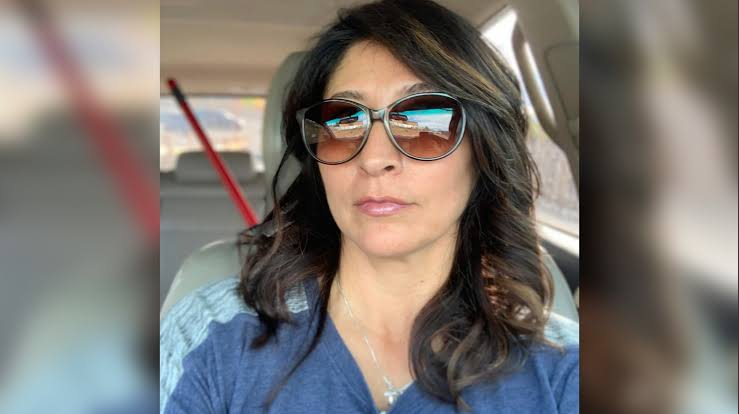 HER FAMILY QUESTIONS THE POSSIBILITY OF SUICIDE
Casias’ relatives have continued to call for a more thorough investigation.
They have publicly said they do not believe Melissa would have taken her own life and have questioned the circumstances surrounding her disappearance and the discovery of her remains.
The autopsy does not prove that she was murdered.
But it also does not establish that she died by suicide.
That distinction is crucial.
A CASE DRAWING WIDER FEDERAL ATTENTION
Casias’ death has also attracted national attention because of her employment at Los Alamos National Laboratory, a highly sensitive U.S. research facility with a long history of nuclear weapons work.
Her case has become part of an FBI investigation examining possible connections among the deaths or disappearances of multiple federal scientists and employees involved in sensitive research.
However, there is currently no established evidence that Casias’ death was connected to those other cases.
ONE ANSWER, BUT MORE QUESTIONS
For months, Melissa Casias’ family had no idea where she was.
Now they know where her remains were found and what ultimately caused her death.
But the most important question remains unanswered:
Who fired the gun — and why?
The official finding of an undetermined manner of death means investigators have not closed the door on the circumstances surrounding her death.
For a family that spent nearly a year searching for Melissa, the discovery was supposed to bring closure.
Instead, the autopsy has left them with another mystery.
Melissa Casias is no longer missing. But the truth about what happened to her may still be waiting to be uncovered.