LILY HOOPER’S FINAL HIKE: EIGHT DAYS OF SEARCH, A TRAGIC DISCOVERY AND A DEVASTATING COMMUNICATION ERROR
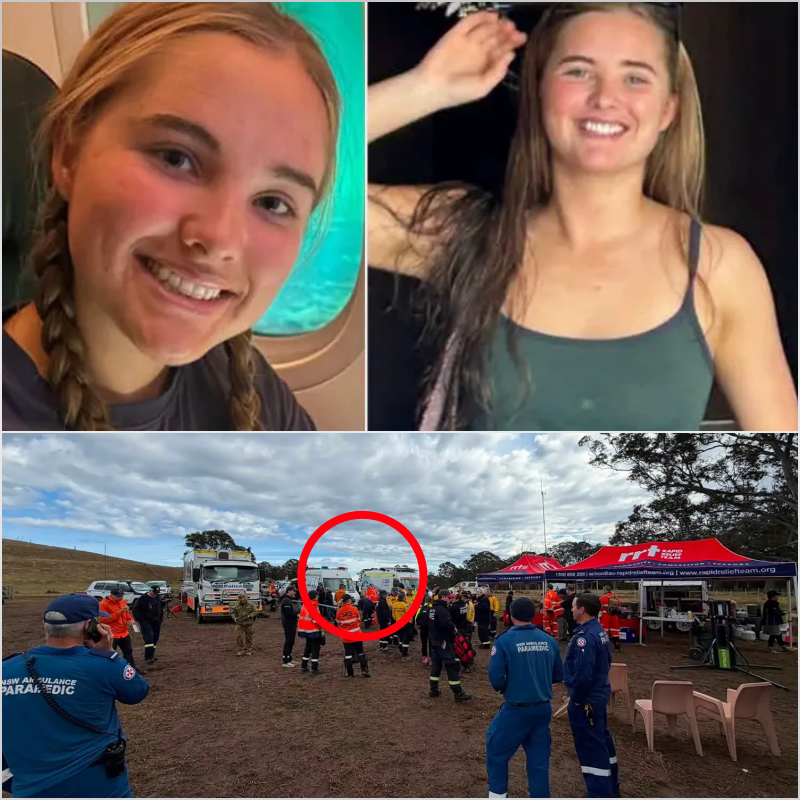
LILY HOOPER’S FINAL HIKE: EIGHT DAYS OF SEARCH, A TRAGIC DISCOVERY AND A DEVASTATING COMMUNICATION ERROR
The search for 18-year-old Lily Hooper ended in tragedy after her body was found in dense bushland in New South Wales — but before her family learned the truth, they were briefly told the news they had been praying for: Lily had been found alive.
SYDNEY, Australia — For eight days, the family of 18-year-old Lily Hooper lived through the agonizing uncertainty of not knowing where their daughter was.
Then, on Thursday morning, August 20, they received what appeared to be the phone call they had been waiting for.
Lily had been found.
For a brief moment, there was relief.
There was hope.
But within minutes, that hope disappeared.
The teenager had not been found alive.
She had been found in the dense bushland of Nattai National Park, and authorities were forced to correct the information they had initially given her family.
 LILY LEFT HOME FOR A HIKE — AND NEVER RETURNED
Lily left her home in Oakdale, in Sydney’s southwest, on the morning of August 12 to go hiking in Nattai National Park in the Southern Highlands.
She was an experienced bushwalker.
But when she failed to return home that evening, her family became increasingly concerned and reported her missing.
Police eventually located her vehicle near the Bonnum Pic trail, giving search crews an important starting point.
What followed was an enormous multi-agency search involving police, State Emergency Service personnel, volunteers and other emergency responders.
Nearly 1,000 people were ultimately involved in the search effort.
THE TERRAIN MADE THE SEARCH EXTREMELY DIFFICULT
Nattai National Park is rugged and heavily wooded.
Search teams faced dense vegetation, difficult terrain and unreliable communications.
Hundreds of volunteers moved through the area looking for even the smallest clue that could lead them to Lily.
Her family also spent significant time near the search command post, receiving updates from authorities.
For more than a week, there was no confirmed sign that Lily had been located.
Then came Thursday.
 “SHE’S BEEN FOUND”
At approximately 11:30 a.m. on August 20, an SES volunteer search team located a person in the bushland.
According to NSW Police, the initial information transmitted through the search operation was mistakenly understood to mean that Lily had been found alive.
That information was passed to her family.
The news then moved rapidly through government channels and the media.
NSW Premier Chris Minns was appearing before a parliamentary budget estimates hearing when he was handed the information.
He announced what he believed was extraordinary good news.
Lily had reportedly been found alive in the bush, with a bottle of water.
For Lily’s family, it was the moment they had spent eight days praying for.
But it wasn’t true.
THEN EVERYTHING CHANGED
Within roughly eight to 10 minutes, authorities realized there had been a serious communication error.
The information was corrected.
Lily had not survived.
Her body had been located.
Premier Minns returned to the parliamentary hearing and delivered the devastating correction.
He apologized and expressed his profound sadness for Lily’s family.
The emotional whiplash was enormous.
After eight days of fear, Lily’s family had briefly been given hope that their daughter was alive — only to learn moments later that she had died.
NSW Police Commissioner Mal Lanyon also apologized, acknowledging the additional trauma caused by the incorrect information.
HOW COULD SUCH A MISTAKE HAPPEN?
Authorities are now investigating exactly how the communication breakdown occurred.
One possible explanation involves coded language used during search-and-rescue operations.
Emergency crews sometimes use code words over radio communications, particularly when operating in sensitive situations.
The phrase involving a “water bottle” has become a major focus because officials believe it may have been misunderstood as indicating that Lily was alive and had survived with limited supplies.
The rugged environment also created significant radio and communications difficulties.
Search officials have acknowledged that information can become distorted when transmitted through difficult terrain and communications black spots.
Police Commissioner Lanyon has promised that communication procedures between agencies will be reviewed.
THE BODY WAS RECOVERED FROM THE BUSH
After the discovery, crews faced the difficult task of recovering Lily from the remote terrain.
Her body was eventually winched out of the area Thursday night.
Police said the body was believed to be Lily’s, with formal identification and a coroner’s investigation to follow.
Authorities have not publicly indicated that foul play is suspected.
The cause and circumstances of Lily’s death remain subject to investigation.
A post-mortem examination is expected to provide further information.
A FAMILY’S WORST POSSIBLE PHONE CALL
The most painful part of the tragedy may not be the communication error itself, but what it meant for Lily’s parents.
For several minutes, they believed their daughter had survived.
They believed the search had ended with a rescue.
They believed Lily was coming home.
Then they were told the opposite.
NSW Premier Chris Minns has said he intends to personally apologize to Lily’s family.
He acknowledged that his earlier comments had added to their grief and said the government would examine whether stronger protocols were needed for communicating information during major search operations.
LILY’S COMMUNITY IS NOW REMEMBERING HER
As the search ended, attention shifted from finding Lily to remembering her.
Friends, former classmates, teachers and members of her local community have described the teenager as vibrant, active and well-liked.
The tragedy has deeply affected the Oakdale community.
People who had spent days hoping for her safe return are now mourning a young woman whose life ended at just 18.
THE QUESTIONS THAT REMAIN
The discovery has answered one question — where Lily was found.
But many others remain.
What happened after Lily began her hike?
How did she become separated from the trail?
What caused her death?
And why was the initial search information so badly misunderstood?
Those questions will now form part of the investigation and coronial process.
Authorities have emphasized that there is currently no indication of foul play.
Until the post-mortem and further investigation are completed, speculation about exactly what happened to Lily would be premature.
EIGHT DAYS THAT ENDED IN HEARTBREAK
Lily Hooper left home on August 12 expecting to spend the day hiking.
Eight days later, hundreds of searchers finally located her in the wilderness.
Her family first heard that she had been found alive.
Then, within minutes, they learned the devastating truth.
The tragedy has left an already grieving family confronting an additional layer of pain — one that officials have acknowledged and promised to investigate.
For Lily’s loved ones, however, no review can undo those few minutes of hope.
No apology can bring her home.
And no search operation can change the final outcome.
Lily Hooper was 18 years old.
She went into the Australian bush for a hike.
Eight days later, her family finally got the answer they had been desperately seeking — but not the one they had prayed for.
The search is over.
The questions are only beginning.