Sally Field Heard a Director Say She Was Wasting His Time. The Person Who Got Her Into the Audition Was Already a Hollywood Giant
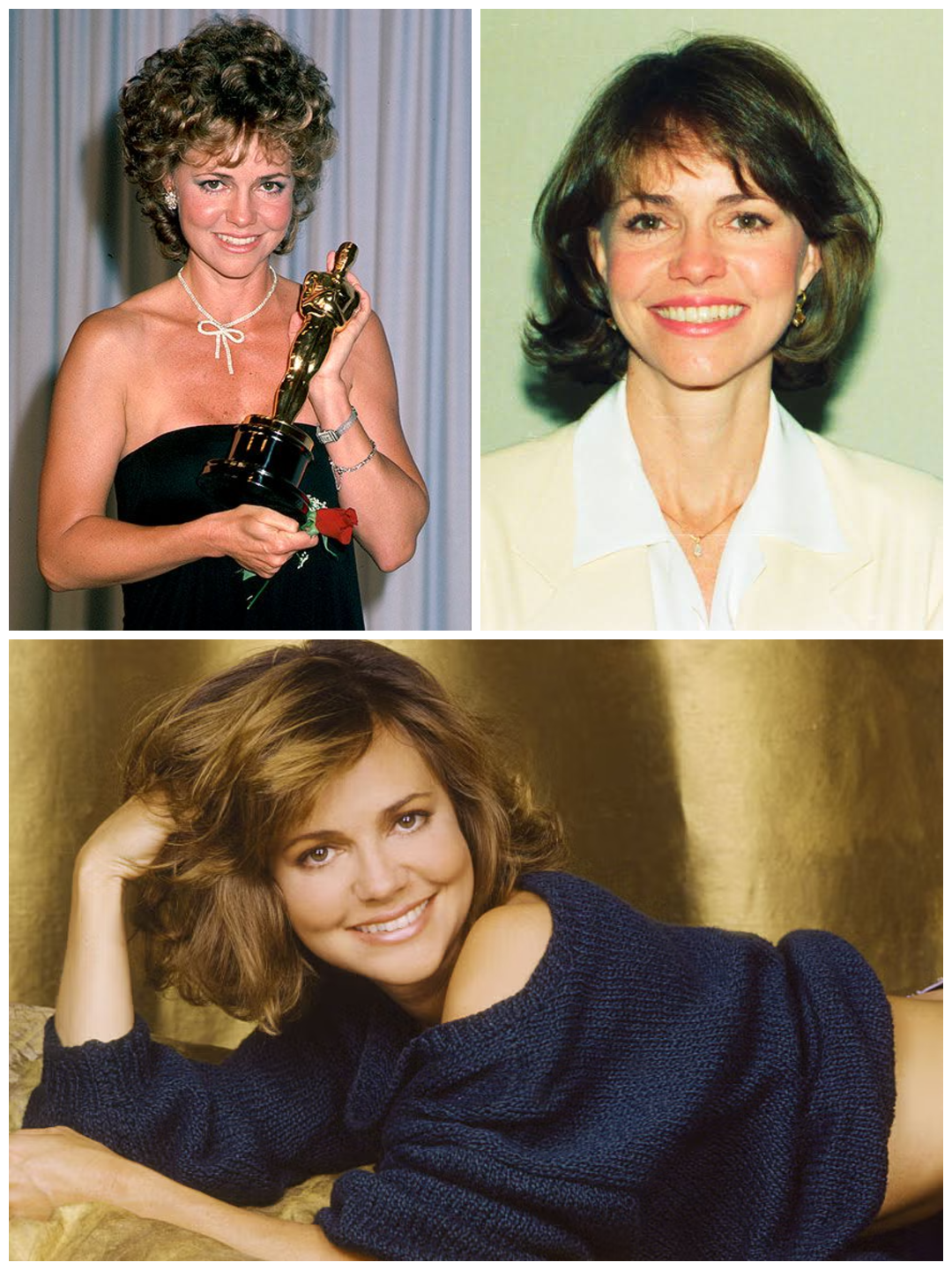
Before Sally Field became a two-time Oscar winner, Hollywood had a much narrower idea of who she was.
To many casting directors and filmmakers in the mid-1970s, Field was still the cheerful young actress from television shows like Gidget and The Flying Nun. She had already been famous for years, but fame did not necessarily mean respect.
That became painfully clear when she arrived to audition for the 1976 film Stay Hungry.
Field recently recalled sitting in the waiting area and hearing director Bob Rafelson question why she had even been allowed into the room.
From his point of view, she was not the kind of actress he wanted.
In fact, Field said he was angry with the casting director for bringing her in at all.
He reportedly felt that auditioning her was a waste of his time.
What Field did not fully appreciate at first was that someone with enormous credibility in Hollywood had already helped get her through the door.
That person was Jack Nicholson.
And the story of how she went from being dismissed before the audition even began to winning the role became one of the turning points of her career.
Hollywood Still Saw Her as the Girl From Television
By the time Stay Hungry was being cast, Field had already spent years working professionally.
But the image attached to her was difficult to escape.
She had starred in Gidget in the 1960s and then became even more strongly associated with lightweight television comedy through The Flying Nun.
Those roles made her recognizable.
They also made it harder for some filmmakers to imagine her as a serious dramatic actress.
Field has spoken for years about how frustrating that period was.
She wanted more complicated material.
She wanted to prove she could do more than play the sweet, energetic characters audiences already knew.
But Hollywood tends to typecast performers based on what has already worked.
For Field, being successful on television became an obstacle when she tried to enter a different category of acting.
That is the context behind Rafelson’s reaction.
He did not simply see an unknown actress he was unsure about.
He saw Sally Field — and thought he already knew what she could do.

She Could Hear the Director Complaining About Her
Field told The Hollywood Reporter that when she arrived for the audition, she could hear Rafelson expressing frustration with the casting director.
He was essentially asking why she had been brought in.
According to Field, the message was unmistakable: he believed her presence there was wasting his time.
For any actor, that would be humiliating.
For someone already struggling to escape a dismissive industry label, it was even worse.
But Field has said that moments like that could trigger something powerful in her.
Anger.
Rather than making her leave, the insult made her more determined.
She went into the room carrying the knowledge that the director did not want her there.
Then she auditioned anyway.
Jack Nicholson Had Quietly Put Her Name Forward
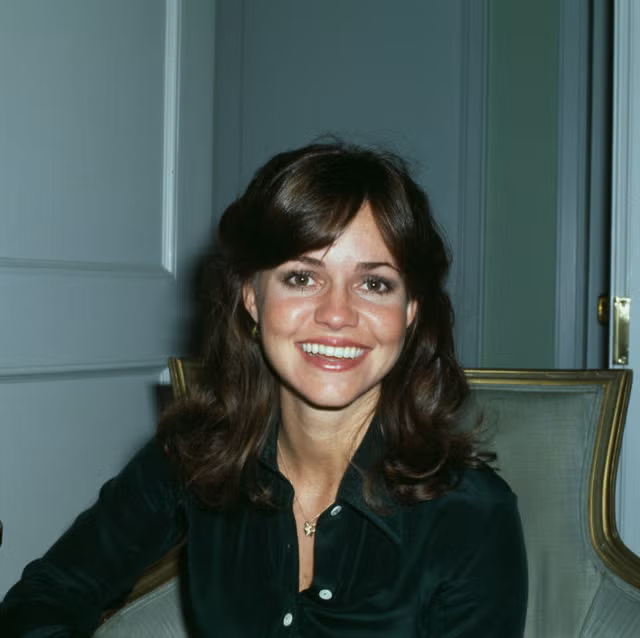
The reason Field got the opportunity at all was because Jack Nicholson had noticed something in her.
Nicholson was already one of Hollywood’s most respected actors by that point.
According to Entertainment Weekly, he had seen Field working and training at the Actors Studio and believed she had far more range than the industry was giving her credit for.
He reportedly recommended her as an “undiscovered talent.”
That description is striking because Field was hardly unknown.
Millions of viewers already recognized her.
What Nicholson meant was that the serious actress inside that familiar television persona had not yet been discovered by filmmakers.
His recommendation helped get Field into consideration for Stay Hungry, despite Rafelson’s initial resistance.
That kind of endorsement could be invaluable.
A young actress saying, “I can do this,” might be ignored.
Jack Nicholson saying, “You should look at her differently,” carried weight.
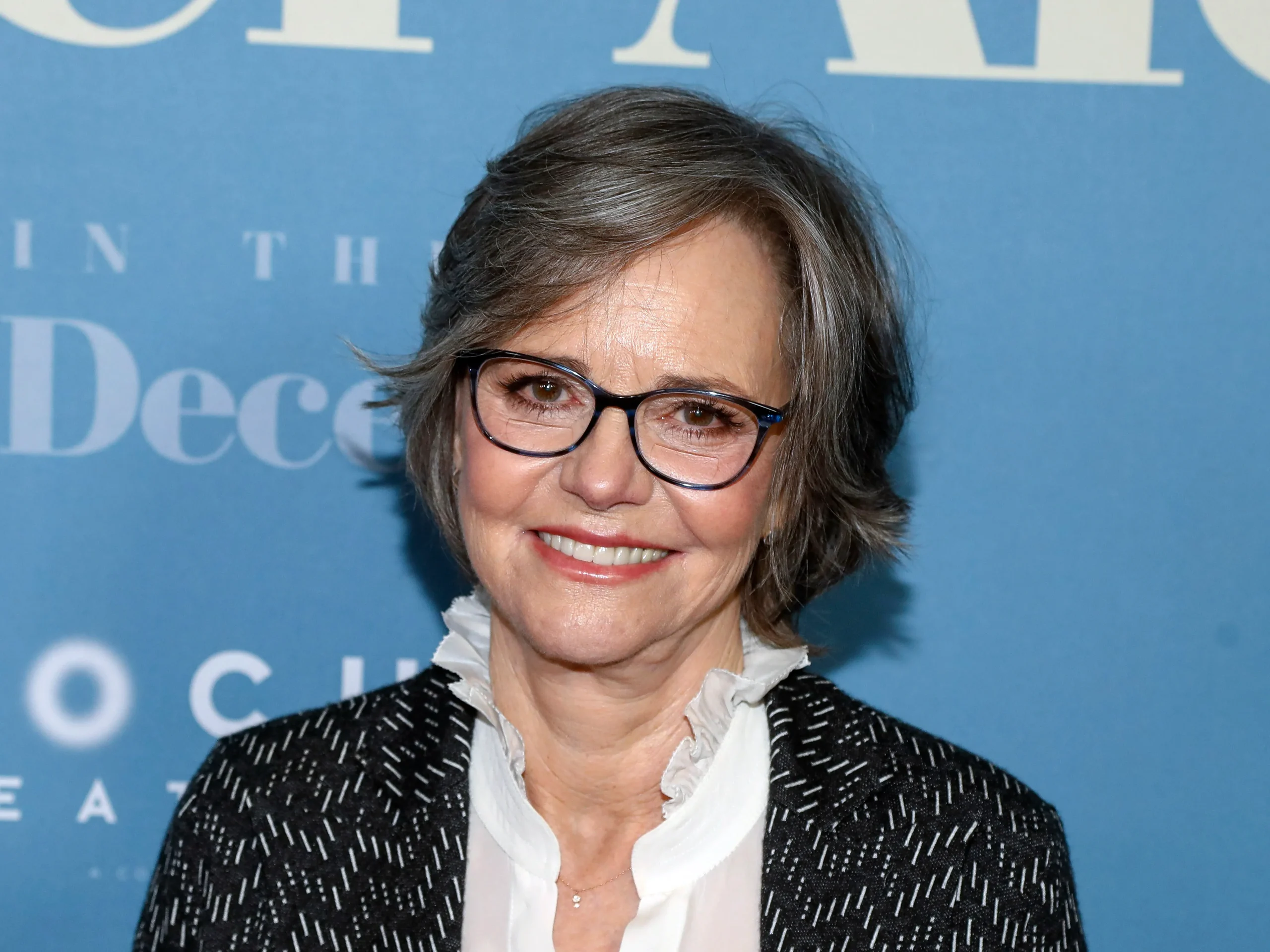
Field Won the Role Anyway
Whatever Rafelson thought before the audition, Field changed his mind.
She was cast as Mary Tate Farnsworth in Stay Hungry.
The film starred Jeff Bridges and featured Arnold Schwarzenegger in one of his earliest significant acting roles.
The story followed a wealthy young man who becomes involved with a small gym he is supposed to help acquire for a business deal, only to become increasingly attached to the people inside it.
Field’s role gave audiences a chance to see her in a very different setting from the sitcom world that had defined her early career.
It was one piece of a larger transition.
Field was gradually proving that she could handle more adult and dramatic material.
The woman Rafelson initially considered a waste of audition time had earned her place in the film.
She Turned Being Underestimated Into Fuel
Field has repeatedly described anger as an important force in her career.
Not destructive anger for its own sake, but the kind that comes from being told you are less capable than you know yourself to be.
Hollywood’s refusal to take her seriously gave her something to push against.
Instead of accepting the industry’s version of her, she kept searching for roles that could dismantle it.
That determination would soon pay off dramatically.
In 1976, the same year Stay Hungry was released, Field starred in the television movie Sybil, playing a woman with severe psychological trauma and multiple personalities.
Her performance won her an Emmy and radically changed perceptions of her abilities.
Suddenly, the actress associated with The Flying Nun was being discussed as a formidable dramatic performer.
A few years later, Norma Rae would erase almost any remaining doubt.
The Career That Followed Proved Nicholson Right
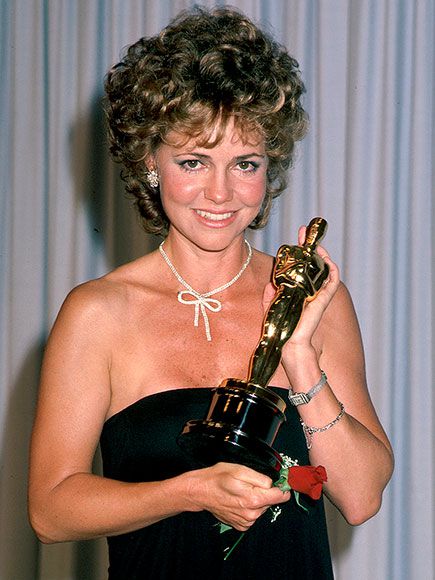
Field won the Academy Award for Best Actress for Norma Rae in 1980.
Five years later, she won again for Places in the Heart.
She went on to build one of the most respected careers of her generation, appearing in films including Absence of Malice, Steel Magnolias, Mrs. Doubtfire, Forrest Gump and Lincoln.
The contrast with that Stay Hungry audition is almost absurd in hindsight.
A director once questioned why she had been allowed into the room.
Years later, Field would be standing on Oscar stages.
That does not mean Rafelson alone represented Hollywood’s attitude toward her.
But his reaction captured something Field had been fighting for years: the assumption that television success had already defined the limits of her talent.
Nicholson saw beyond that assumption before many others did.
One Recommendation Can Change the Direction of a Career
There is something compelling about the fact that Nicholson’s role in the story was relatively quiet.
He did not hand Field a career.
He did not cast her himself.
He simply helped make sure she was seen.
The rest was up to her.
Field still had to walk into a room where the director did not want her.
She still had to perform well enough to change his mind.
She still had to spend years proving that one good audition was not a fluke.
But without someone powerful enough to challenge the industry’s assumptions, she might not have gotten that specific opportunity at all.
That is why the story still resonates decades later.
Talent does not always fail because it is absent.
Sometimes it fails because no one in the room is willing to look past an old label.
Jack Nicholson was.

The Insult Became Part of Her Momentum
Field could have remembered the audition only as a humiliation.
Instead, she sees it as part of the fight that pushed her forward.
Hearing that a director considered her a waste of time hurt.
But it also sharpened her determination to prove that she belonged.
And she did.
She won the role.
Then she kept going.
The girl Hollywood thought it understood became one of its most acclaimed actresses.
In retrospect, Nicholson’s description turned out to be remarkably accurate.
Sally Field really was an undiscovered talent.
She just happened to already be famous.