THE SEARCH FOR ANSWERS — HOW INVESTIGATORS LINKED EVENTS AROUND LUCY LETBY
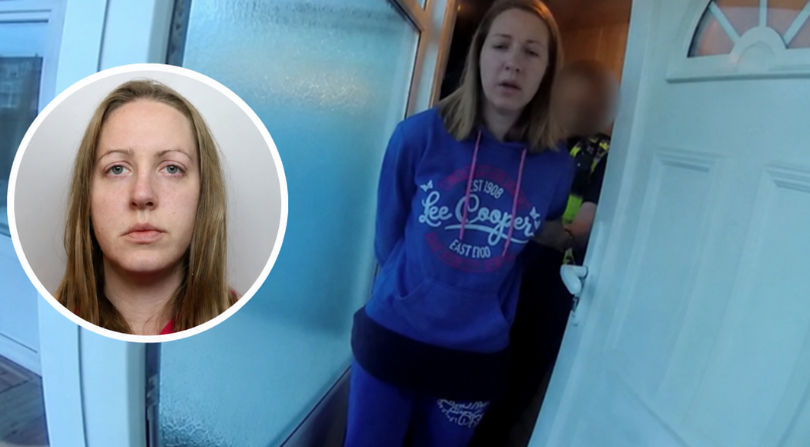
THE SEARCH FOR ANSWERS — HOW INVESTIGATORS LINKED EVENTS AROUND LUCY LETBY
When investigators began examining the unusual number of serious incidents at the Countess of Chester Hospital, they did not initially treat every case as part of one connected pattern.
Instead, detectives and medical experts worked through individual records, reconstructing what happened to each baby and comparing the circumstances surrounding the collapses and deaths.
The investigation eventually became one of the most closely scrutinized medical-criminal cases in Britain.
 THE TIMELINE BECAME CRUCIAL
Investigators examined when each incident happened, which staff members were working and where the babies were being cared for.
One of the factors prosecutors later emphasized was the presence of Lucy Letby during many of the incidents.
The unusual cluster of collapses first attracted concern in 2015. The neonatal unit normally experienced only a small number of deaths each year, but several serious incidents occurred within a relatively short period.
At first, however, the connection was not treated as conclusive.
Hospital reviews considered other possible explanations, including staffing and clinical-care problems.
INVESTIGATORS LOOKED BEYOND A SINGLE BABY
As the police investigation developed, investigators reviewed a much larger number of medical records.
A retired paediatrician, Dr. Dewi Evans, was eventually asked to examine clinical records from dozens of cases involving sudden collapses or deaths.
This allowed investigators to compare apparently separate incidents and look for similarities in the medical circumstances surrounding them.
The prosecution’s eventual case was therefore not based simply on one incident.
It presented the jury with a broader picture involving multiple babies, different dates and alleged medical mechanisms.
 SHIFT RECORDS ALSO BECAME IMPORTANT
Another major part of the investigation was reconstructing who was present when each incident occurred.
Letby’s shift patterns were compared with the dates and times of the babies’ collapses.
Prosecutors argued that the distribution of incidents changed when Letby’s working patterns changed, making her presence an important part of their case.
However, this evidence has since attracted scrutiny.
In 2024, the Crown Prosecution Service acknowledged that some door-swipe data had been incorrectly labelled, with entries and exits reversed. Police subsequently reviewed how the incorrect information had been used during the investigation and trial.
MEDICAL EVIDENCE WAS ANOTHER PIECE OF THE PUZZLE
Investigators also examined unusual medical findings.
Two babies, identified during the trial as Baby F and Baby L, had blood-test results that prosecutors argued were consistent with deliberate insulin poisoning.
Other incidents involved allegations concerning air entering the bloodstream or stomach.
These medical interpretations became central to the prosecution’s argument — but some of those interpretations have subsequently been challenged by outside experts.
HOW DID THE CASE COME TOGETHER?
The prosecution essentially asked the jury to consider the evidence collectively:
Who was present?
When did each collapse happen?
What did the medical records show?
Were there similarities between seemingly unrelated incidents?
And could natural explanations account for the events?
The jury ultimately convicted Letby of murdering seven babies and attempting to murder six others in the 2023 trial. She later received a whole-life order.
BUT THE INVESTIGATION DID NOT END WITH THE VERDICT
The case remains under intense public and legal scrutiny.
A 2026 Netflix documentary has revisited the evidence and included interviews with investigators, a friend of Letby and one of the victims’ parents.
Meanwhile, the Thirlwall Inquiry continues examining what happened at the Countess of Chester Hospital and the implications of the events surrounding Letby’s convictions.
Her convictions remain in force, even as her defense continues to challenge aspects of the evidence.
FROM INDIVIDUAL INCIDENTS TO A MUCH LARGER PATTERN
What began as questions about a series of unexplained collapses eventually became a complex investigation involving medical records, staffing schedules, clinical evidence and police analysis of numerous cases.
But the continuing debate shows why each piece of evidence matters.
The central question remains:
Did the individual incidents form a pattern — and how confidently could investigators distinguish that pattern from coincidence, medical complications or failures in care?