LINDSAY CLANCY TRIAL: THE FINAL QUESTIONS BEFORE THE JURY

LINDSAY CLANCY TRIAL: THE FINAL QUESTIONS BEFORE THE JURY
The Lindsay Clancy trial is entering its final stage in Massachusetts, with the defense having rested after presenting psychiatric testimony about Clancy’s mental state at the time she killed her three children.
PEOPLE’s crime team recently hosted a live discussion addressing the evidence, the competing psychiatric arguments and the questions surrounding the case.
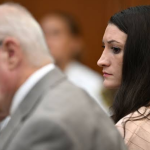
:max_bytes(150000):strip_icc():focal(749x0:751x2):format(webp)/lindsay-clancy-court-080426-1-0d554916be174019b004a84bdf0e8019.jpg) THE DEFENSE’S CENTRAL ARGUMENT
THE DEFENSE’S CENTRAL ARGUMENT
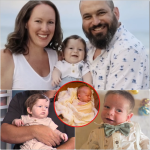
Clancy’s attorneys acknowledge that she caused the deaths of Cora, 5, Dawson, 3, and Callan, 8 months, but argue that she should not be held criminally responsible.
Their position is that Clancy was experiencing postpartum psychosis and other serious psychiatric symptoms, which they say prevented her from understanding the wrongfulness of her actions.
Defense psychiatrist Dr. Phillip Resnick testified that Clancy was experiencing psychosis when the killings occurred and described her as responding to what he characterized as a command voice.
 PROSECUTORS OFFER A VERY DIFFERENT INTERPRETATION
The prosecution has presented evidence intended to show that Clancy retained awareness and the ability to control her actions.
During rebuttal testimony, forensic psychiatrist Dr. Avram Mack told jurors that, in his assessment, Clancy retained the capacity to understand the wrongfulness of her actions and conform her behavior to the law.
That creates the central conflict the jury must resolve:
Was Clancy experiencing a psychiatric condition that made her legally not responsible — or did she remain capable of understanding that her actions were wrong?
THE DIGITAL EVIDENCE
Earlier in the trial, prosecutors presented extensive evidence from Clancy’s devices, including Apple Watch activity, heart-rate information, phone usage, searches and messages.
That evidence was used to help prosecutors reconstruct Clancy’s behavior and state of mind in the weeks surrounding the January 2023 events.
The defense has challenged the prosecution’s interpretation of her mental state and emphasized her treatment history and medications.
WHAT HAPPENS NEXT?
The prosecution has begun its rebuttal after the defense rested.
Closing arguments are expected shortly, followed by jury deliberations.
If convicted of first-degree murder, Clancy could face life in prison without parole. If jurors find that she was not criminally responsible, she would instead be committed to a state psychiatric facility.
THE QUESTION NOW BEFORE THE JURY
The trial has never been only about what happened inside the Clancy home.
It has become a battle over mental illness, medication, postpartum psychosis and the limits of criminal responsibility.
And after weeks of testimony, one question now stands above the rest:
Was Lindsay Clancy legally responsible for her actions — or was she so deeply affected by psychosis that the law should treat her differently?
PEOPLE’s crime editors have been examining exactly these questions as the trial moves toward its conclusion.