LEGAL EXPERT SAYS LINDSAY CLANCY MAY BE ACQUITTED AS TRIAL CENTERS ON HER MENTAL STATE
- ThanhThuy
- August 26, 2026
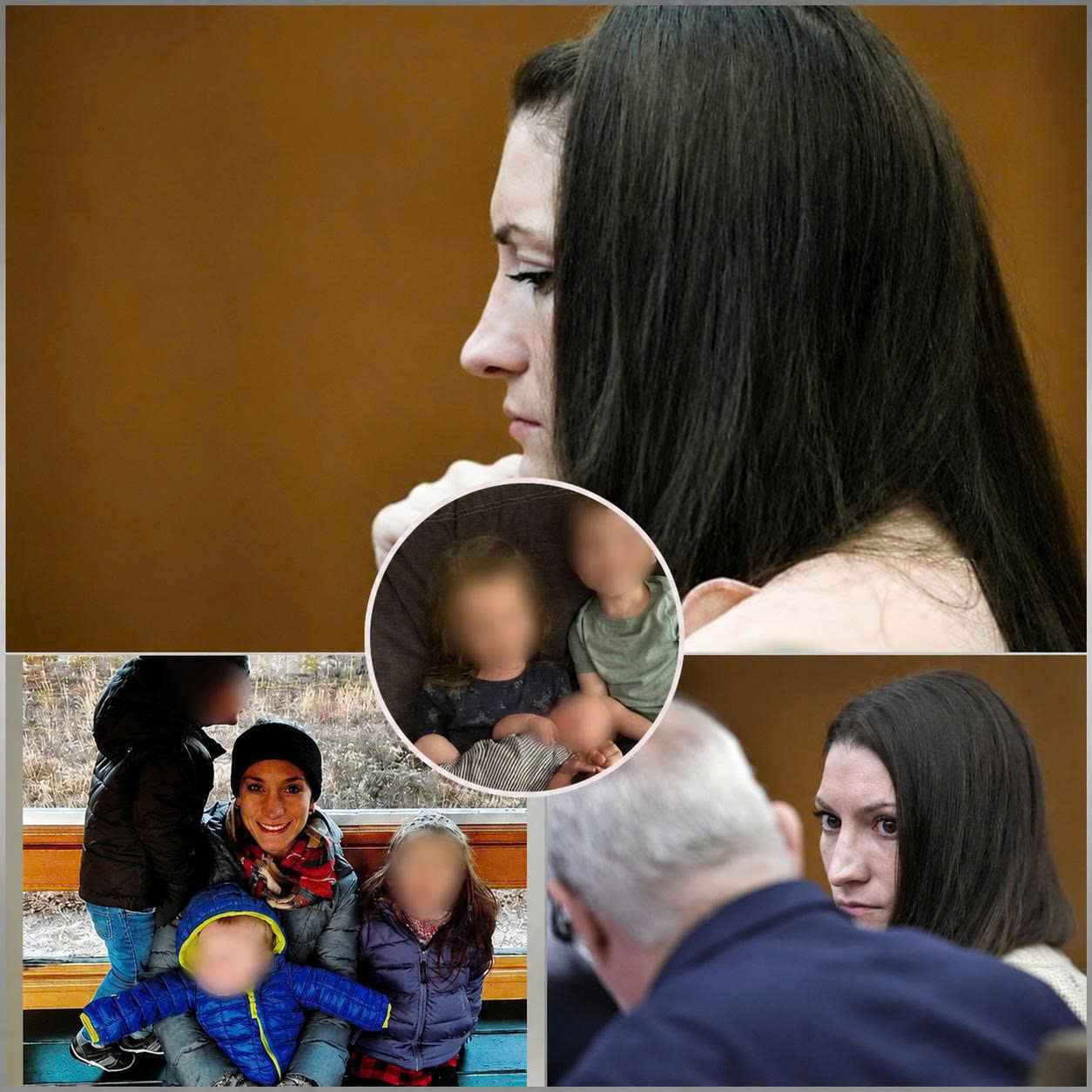
LEGAL EXPERT SAYS LINDSAY CLANCY MAY BE ACQUITTED AS TRIAL CENTERS ON HER MENTAL STATE
A legal analyst and former federal prosecutor says he sees “no real possibility” of a murder conviction for Lindsay Clancy, arguing that the defense has raised enough questions about her mental state to create reasonable doubt.
Clancy, 36, is charged with killing her three children — Cora, 5, Dawson, 3, and Callan, 8 months — at the family’s Duxbury, Massachusetts, home in January 2023. Prosecutors allege she strangled the children with exercise bands before attempting to take her own life by cutting her wrists and neck and jumping from a second-story window.
:max_bytes(150000):strip_icc():focal(749x0:751x2):format(webp)/lindsay-marie-clancy-012723-2-6be9d7dff9614fe98ad1395daa3bff5b.jpg) THE ENTIRE CASE COMES DOWN TO ONE QUESTION
THE ENTIRE CASE COMES DOWN TO ONE QUESTION
The defense does not dispute that Clancy caused the deaths.
Instead, her attorneys argue that she was experiencing severe postpartum psychosis and had been overmedicated in the period leading up to the killings, leaving her legally not responsible for her actions.
Prosecutors have taken the opposite position, arguing that Clancy acted intentionally and knowingly.
That makes her mental state the decisive issue for the jury.
EXPERT PREDICTS ACQUITTAL OR HUNG JURY
Neama Rahmani, a former federal prosecutor who is not involved in the case, told PEOPLE that he believes the prosecution faces an exceptionally difficult burden.
“I don’t think there is any real possibility” of a guilty verdict.
Rahmani explained that Massachusetts places the burden on the prosecution to prove criminal responsibility beyond a reasonable doubt. In his assessment, the evidence presented at trial has produced multiple reasonable interpretations of Clancy’s mental state.
He therefore believes the most likely outcomes could be an acquittal or a hung jury, rather than a unanimous guilty verdict.
WHY THE DEFENSE MAY HAVE AN OPENING
Rahmani points to several unusual aspects of the case.
Clancy had a documented history of psychiatric treatment, had recently undergone inpatient treatment and had been prescribed numerous medications.
The defense has also presented testimony that Clancy reported hearing a voice telling her to kill her children and herself.
Rahmani argues that statements made close to the killings could provide jurors with insight into what was happening inside Clancy’s mind at the time.
:max_bytes(150000):strip_icc():focal(749x0:751x2):format(webp)/lindsay-clancy-court-080426-1-0d554916be174019b004a84bdf0e8019.jpg) THE SUICIDE ATTEMPT IS ALSO SIGNIFICANT
THE SUICIDE ATTEMPT IS ALSO SIGNIFICANT
Another factor Rahmani considers unusual is what happened immediately after the children’s deaths.
Clancy allegedly cut her wrists and neck and then jumped head-first from a second-story window, leaving her paralyzed from the waist down.
Rahmani says that this behavior could support the defense’s argument that she was experiencing a profound psychiatric crisis rather than acting with a conventional criminal motive.
However, that remains an expert interpretation, not a court finding.
PROSECUTORS HAVE A VERY DIFFERENT THEORY
The Commonwealth argues that Clancy’s actions before the killings demonstrate planning and awareness.
Prosecutors have pointed to evidence that she sent her husband, Patrick Clancy, out of the home before the killings, giving her time alone with the children.
They argue that her behavior before the deaths was consistent with someone who understood what she was doing and deliberately carried out the killings.
The defense disputes that interpretation and says those same circumstances must be considered in the context of her alleged psychosis and medication history.
ONLINE CONSPIRACY THEORIES ARE A SEPARATE ISSUE
The high-profile trial has also generated extensive speculation online, including conspiracy theories targeting Patrick Clancy.
Rahmani has previously warned that such theories can distract from the actual legal question before the jury: Lindsay Clancy’s criminal responsibility.
There is no established evidence that Patrick secretly participated in the killings.
A LEGAL EXPERT’S PREDICTION IS NOT A VERDICT
Rahmani’s assessment is significant because of his experience as a former federal prosecutor, but he is not involved in the case and does not decide the outcome.
The jury must evaluate the evidence presented in court and determine whether prosecutors have met their legal burden.
Closing arguments are expected this week, bringing the closely watched trial toward its decisive stage.
THE QUESTION THAT COULD DETERMINE EVERYTHING
Did Lindsay Clancy knowingly and criminally choose to kill her children — or was she experiencing a severe psychiatric break that left her legally incapable of being held responsible?
After years of public debate, that question is now in the hands of a jury.
And according to one former prosecutor, the defense may have created enough reasonable doubt to make a conviction far from certain.