A66 CASE TAKES ANOTHER TURN AS NEW TIMELINE RAISES QUESTIONS ABOUT POLICE PURSUIT
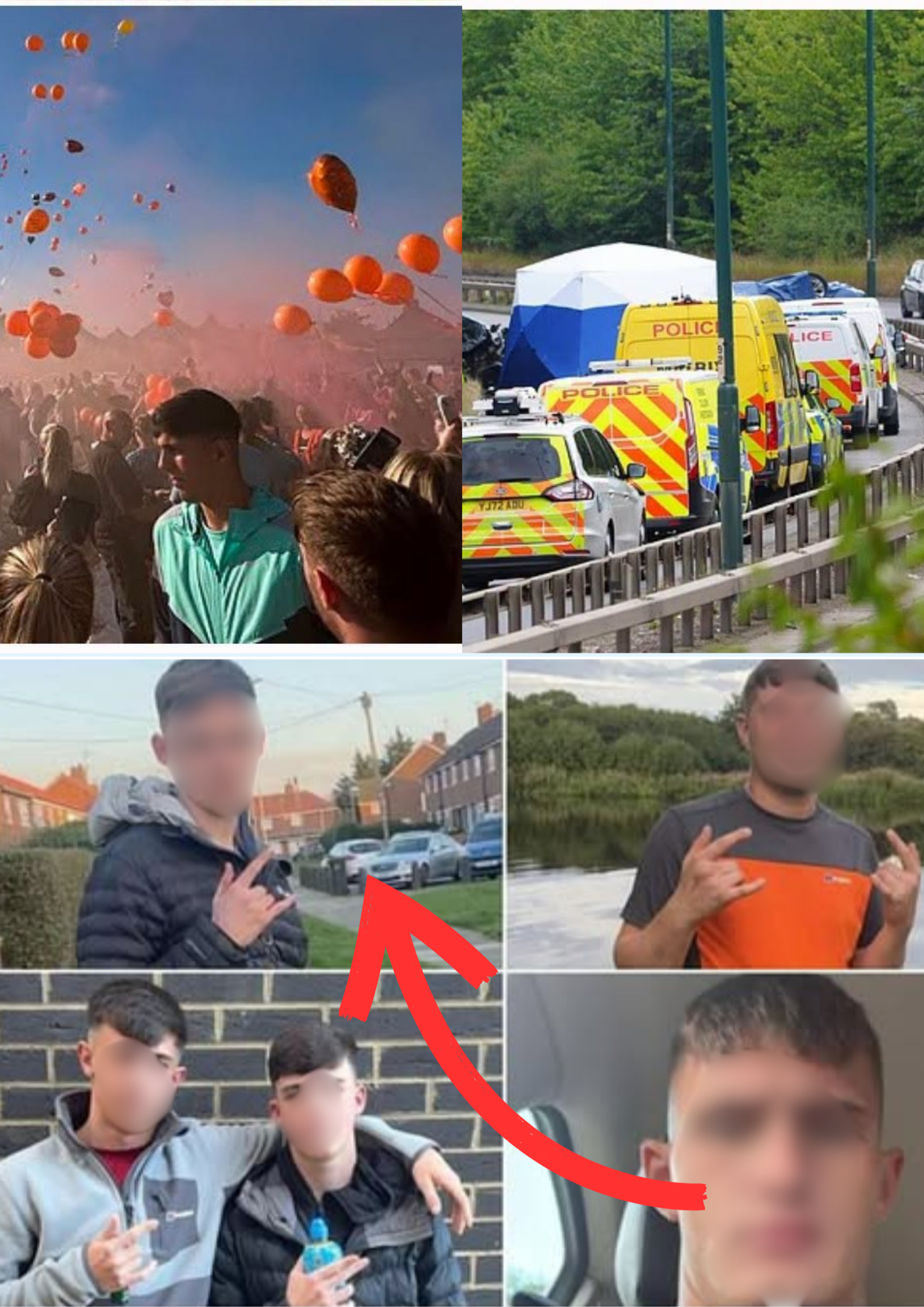
A66 CASE TAKES ANOTHER TURN AS NEW TIMELINE RAISES QUESTIONS ABOUT POLICE PURSUIT
MIDDLESBROUGH, ENGLAND — The investigation into the devastating A66 collision is taking another turn as new details about the timeline challenge early assumptions surrounding Cleveland Police and the vehicle involved.
For days, public attention has focused on one central question:
Was the vehicle traveling the wrong way on the motorway because it was being pursued by police?
The latest account suggests the answer may be more complicated.
According to information emerging from the investigation, the police pursuit had already ended before the vehicle entered the A66 traveling against traffic.
That distinction could become critically important as investigators reconstruct the final moments before the collision.
 A TRAGIC COLLISION
The incident happened in the early hours of Saturday, when a Volkswagen Passat entered the A66 and traveled in the wrong direction before colliding with a marked Cleveland Police vehicle.
Seven people lost their lives in the devastating crash.
Among them were two police officers, PC Matthew Blades, 37, and PC Tom Clough, 38, who were responding to duty at the time.
Five young men inside the Passat also lost their lives.
The scale of the tragedy immediately prompted questions about what happened in the minutes leading up to the impact.
 THE PURSUIT TIMELINE
Initial reports led many people to believe the Passat had entered the motorway while attempting to escape police.
That interpretation generated intense public scrutiny of Cleveland Police.
But investigators are now examining a more detailed timeline.
The pursuit reportedly lasted several minutes before police abandoned it.
The vehicle then entered the A66 traveling against traffic.
The collision occurred only moments later.
That sequence raises an important distinction:
If the pursuit had already ended, was the vehicle’s decision to enter the motorway actually an attempt to escape police?
Investigators will need to establish what happened during those critical seconds.
WHY THE TIMELINE MATTERS
The difference between an active pursuit and an already-abandoned pursuit could have significant implications for the investigation.
The Independent Office for Police Conduct has been examining the circumstances surrounding the police response.
Investigators are expected to look at communication between officers, the decision to terminate the pursuit, the vehicle’s movements afterward and the precise timing of the collision.
Every second could matter.
QUESTIONS SURROUNDING CLEVELAND POLICE
The tragedy initially generated criticism and public concern over whether police actions contributed to the circumstances that ultimately led to the collision.
The latest information does not automatically clear Cleveland Police of responsibility.
Nor does it establish that officers caused the crash.
Instead, it adds another layer to an investigation that is still attempting to establish exactly what happened.
Authorities must determine whether police actions, the driver’s decisions, road conditions or a combination of factors contributed to the tragedy.
SEVEN LIVES LOST
While the investigation focuses heavily on the timeline, the human cost remains devastating.
PC Blades and PC Clough were killed while carrying out their duties.
The five young men in the Passat also lost their lives.
Their deaths have left families, friends, colleagues and the wider Middlesbrough community grieving.
Tributes have poured in for the officers, while relatives of the young men have also been mourning their loss.
SOCIAL MEDIA HAS FUELED CONFUSION
The case has attracted enormous attention online, with competing versions of events spreading rapidly.
Some early claims portrayed the collision as the direct result of an ongoing police pursuit.
Other accounts have suggested a far more complicated sequence of events.
Investigators now face the difficult task of separating confirmed evidence from speculation.
That is particularly important in a case where a few seconds could dramatically change the understanding of what happened.
THE INVESTIGATION IS FAR FROM OVER
The latest timeline does not provide a complete explanation for why the Passat entered the A66 in the wrong direction.
It simply changes one important part of the story.
Investigators still need to determine why the vehicle entered the motorway, what happened after the pursuit ended and whether any other factors contributed to the collision.
The IOPC investigation will continue examining the police response.
WAS THE ORIGINAL STORY WRONG?
Perhaps the biggest question now is whether the public’s initial understanding of the crash was incomplete.
The answer may ultimately be found in police radio communications, CCTV, vehicle data, witness accounts and other evidence collected by investigators.
What appears increasingly clear is that the timeline matters.
The pursuit.
The decision to end it.
The vehicle entering the motorway.
And the collision that followed.
Those events happened within a very short period — but understanding their exact order could be crucial.
Seven people lost their lives in a matter of seconds. Now investigators are working to establish what really happened in the moments before the impact — and whether the story first told to the public captured the full picture.