LINDSAY CLANCY “SCARED” AS JURY DELIBERATIONS CONTINUE WITHOUT A VERDICT
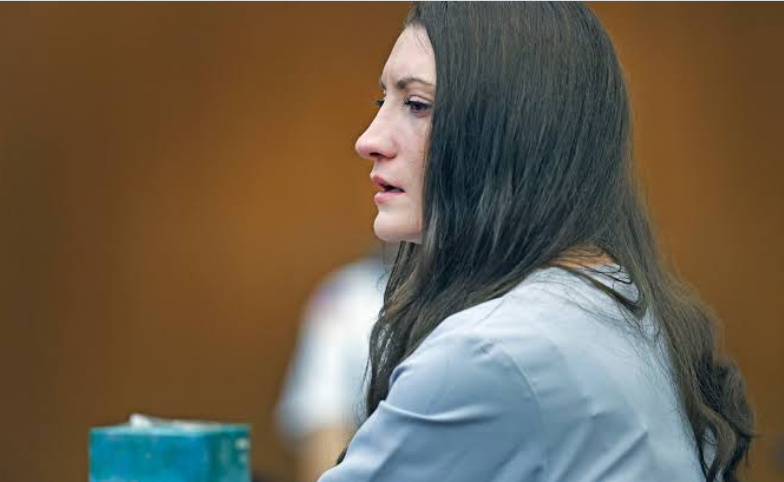
LINDSAY CLANCY “SCARED” AS JURY DELIBERATIONS CONTINUE WITHOUT A VERDICT
Lindsay Clancy is reportedly “scared” and “nervous” as the jury deciding her fate continues deliberations without reaching a verdict.
Her attorney, Kevin Reddington, said Clancy was experiencing those emotions as the closely watched Massachusetts trial entered its final stage.
After more than five weeks of testimony, the 12-member jury began deliberating on August 27.
But after two full days, there was still no verdict.
:max_bytes(150000):strip_icc():focal(749x0:751x2):format(webp)/lindsay-marie-clancy-013023-1-176600bdc3614f6ca230e63734b87361.jpg) TWO DAYS, NO ANSWER
TWO DAYS, NO ANSWER
The jury, made up of nine women and three men, was dismissed Friday afternoon and instructed to return Monday morning to continue deliberations.
During the trial, jurors heard testimony from more than 80 witnesses, including medical experts, first responders, relatives and Clancy’s former husband, Patrick Clancy.
Now, the decision rests entirely with the jury.
TWO VERY DIFFERENT STORIES
Both sides have acknowledged that Clancy was responsible for the acts that led to the deaths of her three children.
The central question is whether she should be held criminally responsible.
Prosecutors have argued that Clancy understood what she was doing and knew her actions were wrong.
Her defense has presented a dramatically different explanation, arguing that she was suffering from severe postpartum psychosis and that psychiatric medication and inadequate medical care contributed to her mental state.
The defense is seeking a verdict of not criminally responsible.
:max_bytes(150000):strip_icc():focal(749x0:751x2):format(webp)/lindsay-clancy-court-080426-1-0d554916be174019b004a84bdf0e8019.jpg) JURORS ASK TO REVIEW EVIDENCE
JURORS ASK TO REVIEW EVIDENCE
The deliberations have already included requests to revisit important evidence.
Jurors asked to see the knife associated with Clancy’s suicide attempt and prescription medication bottles.
Those requests have added another layer of suspense as the jury works through the evidence presented during the five-week trial.
THE QUESTION THAT COULD DECIDE EVERYTHING
The case ultimately comes down to Clancy’s mental state at the time of the incident.
Did she understand what she was doing?
Did she understand that it was wrong?
Or was she experiencing a severe psychiatric episode that prevented her from being held criminally responsible?
The prosecution and defense have offered sharply contrasting interpretations of the same events.
Now, 12 jurors must decide which interpretation is supported by the evidence and Massachusetts law.
THE WAIT CONTINUES
For Clancy, the uncertainty is deeply personal.
For the families involved, the case has already lasted more than three years.
And for the jury, the decision cannot be based on emotion or public reaction.
It must come from the evidence heard inside the courtroom.
As deliberations resume Monday, one question will remain at the center of the case:
Will the jury find Lindsay Clancy criminally responsible — or will her defense argument about severe postpartum psychosis ultimately change the outcome?
For now, there is still no answer.