De-escalation, Accountability, and Law Enforcement Dynamics in Public Confrontations
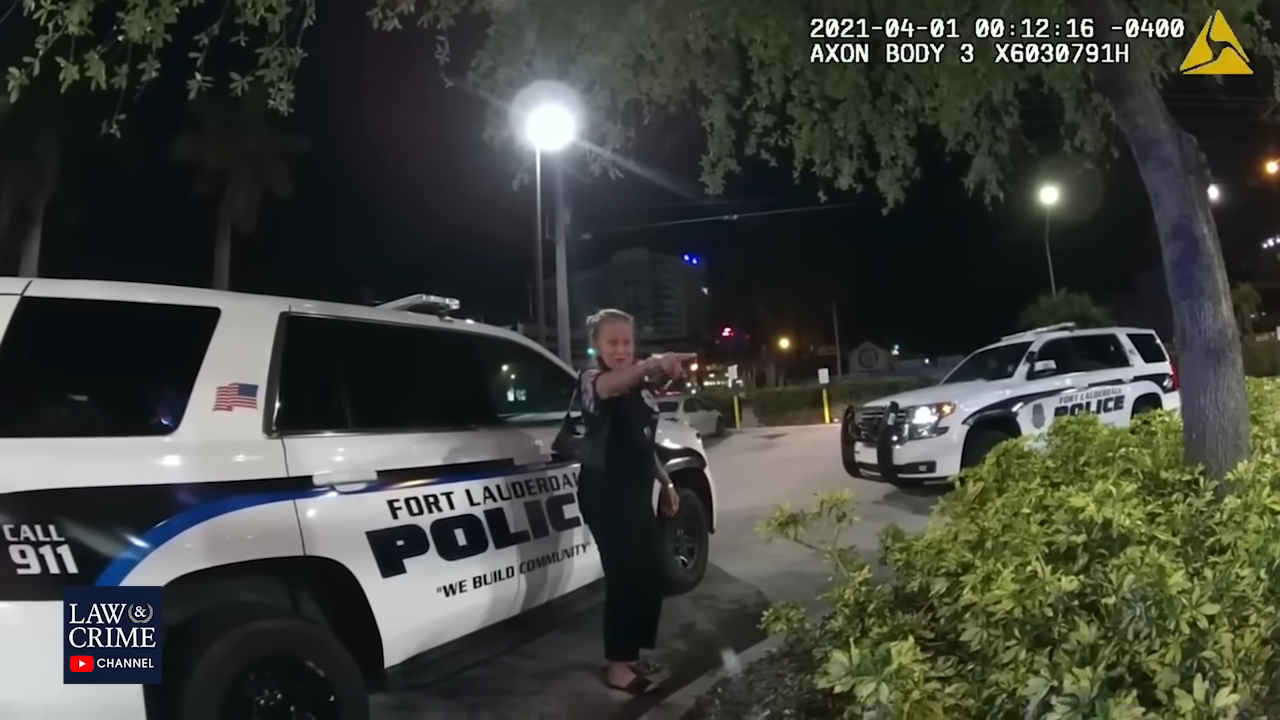
Public safety relies on a delicate balance between individual conduct and law enforcement intervention. When individuals refuse to adhere to community standards, legal mandates, or private business policies, police officers are tasked with restoring order. However, modern interactions between citizens and law enforcement frequently escalate when individuals display entitled behavior, resist lawful commands, or engage in physical aggression. Analyzing specific body-worn camera encounters provides valuable insight into the operational challenges police officers face and the legal consequences citizens encounter when personal defiance crosses into criminal behavior.
A recurring challenge for law enforcement involves managing non-compliant individuals who refuse to cooperate during routine enforcement actions. During an incident at a financial institution, officers were required to arrest a 65-year-old woman after she refused to leave the premises for failing to comply with business regulations. Rather than submitting to a lawful arrest, the individual actively resisted, forcing officers to take her to the ground to apply handcuffs. Throughout the interaction, the woman engaged in dramatic vocal protests, questioning the physical necessity of the restraint and emphasizing her age in an attempt to dispute the officers’ authority.
From a tactical and legal standpoint, age does not grant immunity from compliance or physical detention when an individual actively resists arrest. Law enforcement officers are trained to apply the minimum force necessary to control a subject who is actively obstructing an arrest or refusing physical commands. When a subject stiffens their limbs or refuses to place their hands behind their back, officers must employ physical control tactics to secure the individual safely. This specific encounter highlights how personal defiance can rapidly transform a simple trespass warning into a physical confrontation, ultimately placing both the subject and the officers at unnecessary risk of physical injury.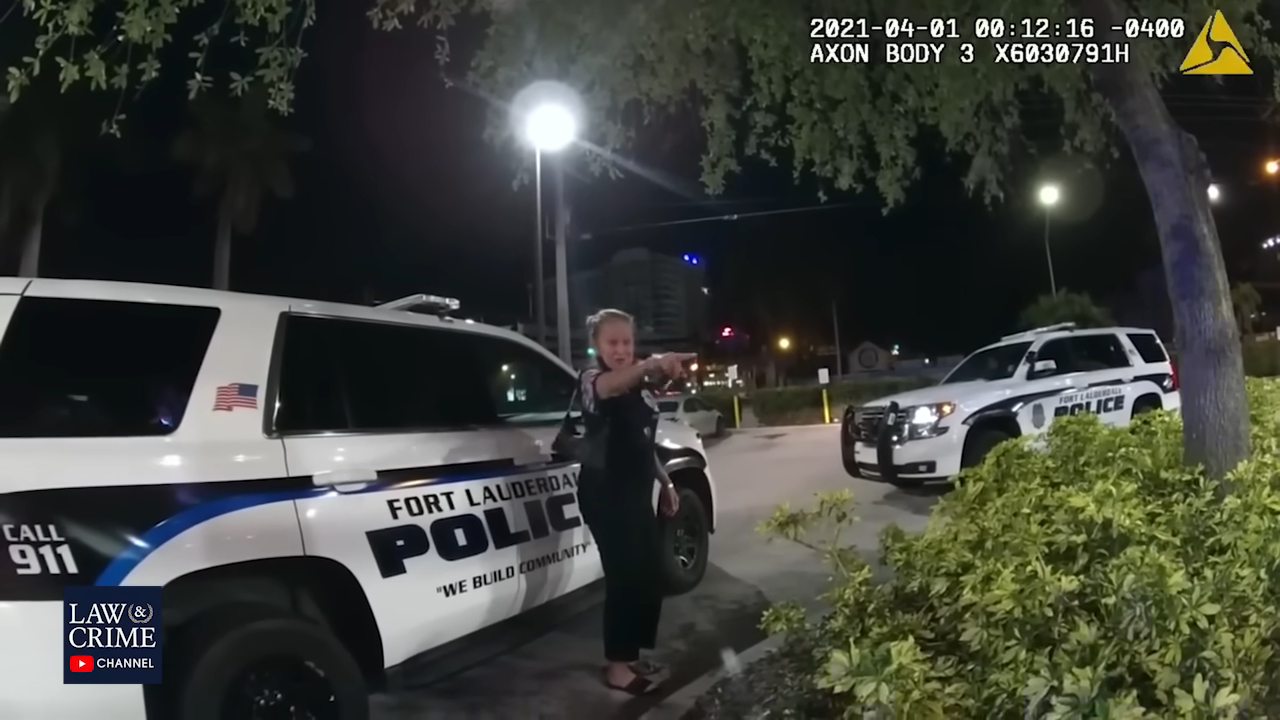
Physical resistance is not the only behavior that elevates a standard interaction into a criminal offense. Verbal aggression and disrespectful conduct can easily escalate into physical assault, particularly when individuals fail to recognize the legal definitions of personal battery. In another public disturbance incident, a woman was taken into custody after physically spitting on another individual during a verbal altercation. When confronted by officers regarding her actions, the woman attempted to justify her behavior by offering emotional excuses and blaming the victim for verbal abuse, claiming her reaction was an understandable emotional response.
Under the law, spitting on another person is legally defined as battery, regardless of whether it causes physical injury. Spitting constitutes unwanted, intentional physical contact of an insulting or provocative nature, and in many jurisdictions, it carries heightened legal severity due to biohazard concerns. The individual’s attempt to downplay her conduct illustrates a common psychological pattern in public disruptions: deflecting personal responsibility onto the opposing party. Law enforcement officers must maintain strict neutrality in these scenarios, distinguishing between verbal arguments, which are generally protected, and physical acts of battery, which require immediate custodial arrest to ensure public safety and accountability.
While enforcing the law requires physical control when necessary, effective policing also relies heavily on verbal communication, professional boundaries, and stern reality checks. During the resolution of a public disturbance, a non-compliant woman repeatedly directed hostile, disrespectful remarks toward surrounding citizens and responding officers. As the situation unfolded, the lead officer delivered a direct, uncompromising lesson on respect, authority, and personal accountability, explicitly outlining the legal reality of her behavior and the potential consequences of her continued hostility.
This interaction underscores the critical role of officer communication in managing disruptive behavior. Officers are frequently required to establish immediate psychological authority over non-compliant individuals to prevent further escalation. By addressing entitlement directly and detailing the exact legal boundaries being crossed, law enforcement officers can effectively disrupt a subject’s confrontational mindset. A firm, professional reprimand serves as a necessary reality check, reminding individuals that rights come with responsibilities and that civil behavior is non-negotiable in public spaces.
Ultimately, these interactions demonstrate that public order depends on mutual accountability and adherence to established legal standards. Whether dealing with physical resistance from an older citizen, addressing acts of battery disguised as emotional outbursts, or delivering necessary reality checks to entitled individuals, law enforcement officers must remain steadfast in applying the law objectively. Understanding the clear legal boundary between personal expression and criminal conduct is essential for maintaining safety, mutual respect, and order across all communities.