SHE TOLD HER FATHER, “I’M FINE.” MONTHS LATER, EVERYTHING CHANGED
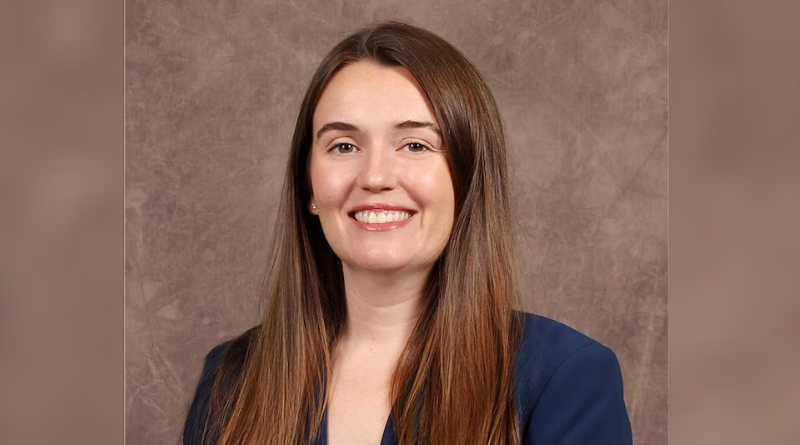
SHE TOLD HER FATHER, “I’M FINE.” MONTHS LATER, EVERYTHING CHANGED
“Don’t worry, Dad. I’m fine.”
Those were the reassuring words Pamela Cisneros reportedly gave her father when he offered to drive her to a treatment appointment earlier this year.
He believed her.
After years of standing by his daughter through difficult periods, Pamela’s father thought she had finally reached a more stable place in her life. To him, she seemed to be doing better. The family had little reason to believe that anything had dramatically changed.
Then came the events that would put Pamela’s name in the headlines.
 A LIFE THAT HAD BEGUN TO UNRAVEL
Behind the appearance of stability, Pamela was reportedly facing a series of major personal difficulties.
Her marriage had broken down.
Her employment situation had become uncertain.
And her relationship with her three children had reportedly grown increasingly distant.
For her family, these developments were deeply concerning because they appeared to echo struggles Pamela had faced in the past.
Yet when her father checked on her, he believed she was okay.
She had told him so herself.
And sometimes, that is exactly what makes a hidden crisis so difficult to recognize.
 THE WARNING SIGNS WERE THERE — BUT NOT EVERYONE SAW THEM
Pamela had reportedly experienced serious personal challenges years earlier, prompting her family to worry about her well-being.
At one point, however, they believed she had made progress.
Her father thought he was seeing the daughter he remembered — someone who was rebuilding her life and moving forward.
But as the months passed, the pressures surrounding Pamela appeared to increase.
The collapse of her marriage.
Instability at work.
Growing distance from her children.
And personal struggles that her family believed might have resurfaced.
None of these circumstances, by themselves, explains what happened later.
But together, they have become an important part of the story investigators and those close to Pamela are now trying to understand.
THEN CAME TIMES SQUARE
Months after that conversation with her father, Pamela became connected to a shocking incident in Times Square that suddenly pushed her private struggles into the public spotlight.
For the people who knew her, the development was difficult to reconcile with the woman they thought they understood.
Her father had believed his daughter was doing better.
He had trusted her words.
He had no reason, at that moment, to believe that she was carrying something far heavier beneath the surface.
Now, the simple sentence — “I’m fine” — has taken on a painful new meaning.
WHAT HER FAMILY IS LEFT WITH
Pamela’s story is not simply about one shocking incident.
It is also about everything that may have happened before it — the personal losses, strained relationships and warning signs that can sometimes remain invisible even to the people standing closest to someone.
Families can offer support.
They can ask questions.
They can encourage treatment and check in again and again.
But they cannot always know what another person is experiencing internally.
For Pamela’s father, the memory of that conversation remains especially haunting.
He offered to help.
She told him not to worry.
He believed her.
And months later, he was left trying to understand how the daughter he thought was getting better had reached such an unexpected and troubling chapter of her life.
The case remains a reminder that when someone says they are fine, sometimes the most important thing we can do is keep asking — and keep showing up.