🚨 LINDSEY CLANCY CASE TAKES ANOTHER SHOCKING TURN — QUESTIONS RAISED ABOUT THE JUROR WHO CAUSED THE MISTRIAL
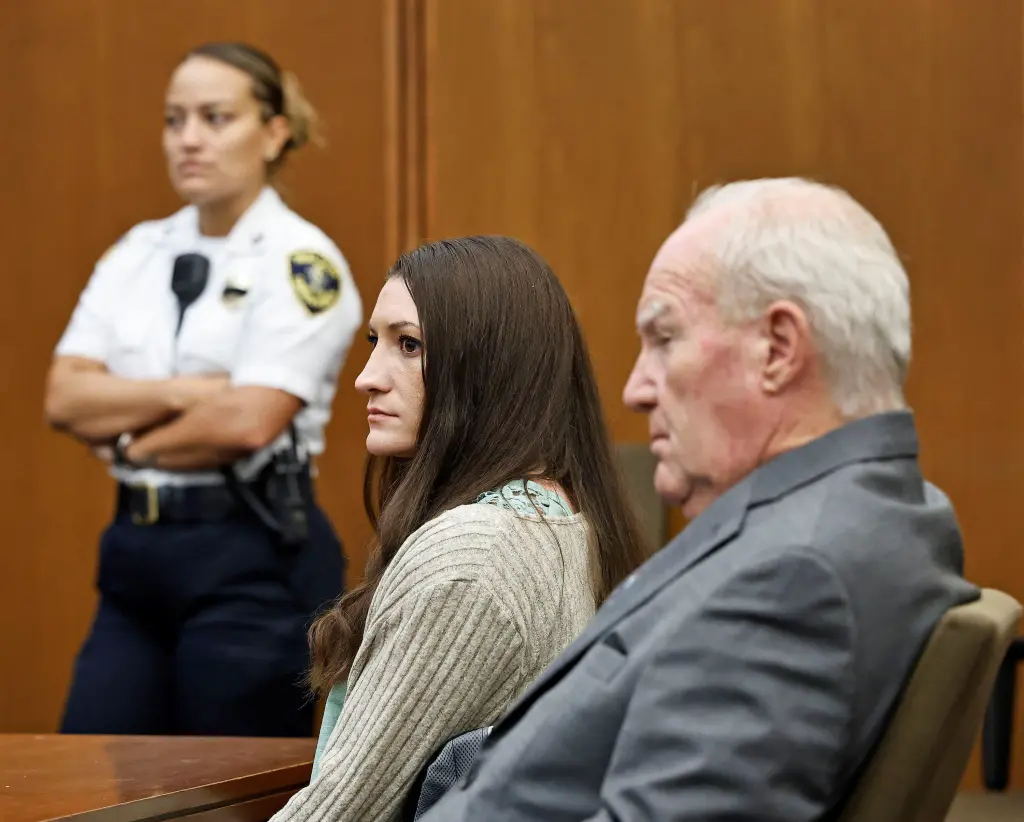
🚨 LINDSEY CLANCY CASE TAKES ANOTHER SHOCKING TURN — QUESTIONS RAISED ABOUT THE JUROR WHO CAUSED THE MISTRIAL
The Lindsay Clancy case was already one of the most disturbing and emotionally charged trials in Massachusetts.
Then one juror changed everything.
After roughly 38 hours of deliberations, the 12-member jury could not reach a unanimous decision. Eleven jurors were reportedly prepared to find Clancy not criminally responsible by reason of insanity.
One man refused to join them.
That single holdout ultimately left the case deadlocked at 11–1 — forcing the judge to declare a mistrial.
Now, a new report is raising another question:
Who exactly was the juror who brought the entire trial to a standstill?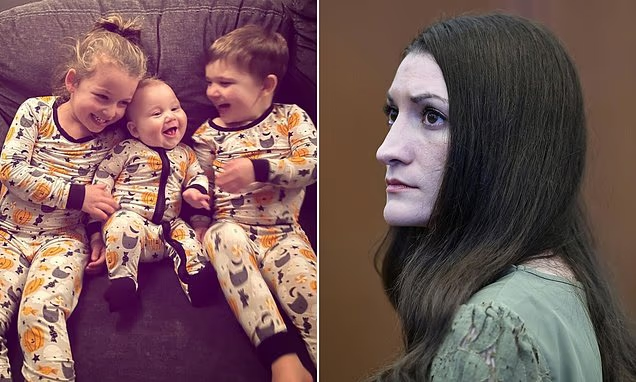
According to a report cited by the New York Post, the unidentified male juror, described as a Black man in his 30s, had a history of domestic-violence-related allegations before he was selected for the Clancy jury.
Court records reportedly show that he faced a criminal charge in 2021 stemming from an alleged incident involving his wife.
A teenage nephew reportedly called police during that incident and alleged that the man grabbed his wife by the throat and threw her into a dresser.
The criminal case was later dismissed.
According to the report, the man’s former wife said she did not pursue the matter because she was concerned that testifying could affect custody of her daughter.
But that was reportedly not the end of the allegations.
Last year, the same nephew allegedly sought a restraining order against the juror, claiming that the man pushed him to the ground and punched him.
The restraining order was reportedly still active when the man was selected to serve on the Lindsay Clancy jury.
And that revelation is now prompting questions about the jury-selection process — particularly whether all relevant information was properly disclosed and reviewed before the trial began.
There is another extraordinary detail.
During deliberations, fellow jurors reportedly became increasingly frustrated with the holdout’s reasoning.
Juror Paula Devlin said the panel eventually reached a 10–2 split in favor of finding Clancy not criminally responsible. She said the holdout began expressing doubts after watching a video interview with Clancy.
Another juror, Nick Dargie, alleged that the holdout even used one of the exercise bands involved in the case to mimic the strangulation during deliberations — an action Dargie described as deeply disturbing.
Devlin also said the man was particularly focused on the amount of blood found in Clancy’s bedroom, despite expert testimony presented during the trial.
He reportedly questioned whether there could have been so much blood given the nature of Clancy’s injuries.
The other jurors asked him to explain his reasoning, but according to Devlin, he did not provide an explanation that satisfied them.
Yet legally, a juror is allowed to disagree.
And that is what makes this case so complicated.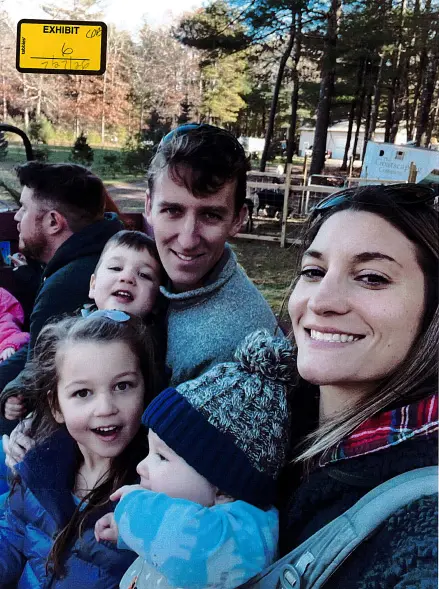
A jury verdict in a criminal trial must be unanimous. One juror can prevent a conviction — or, in this case, prevent the jury from reaching the insanity verdict sought by the defense.
The judge ultimately questioned the jurors individually and reread his instructions concerning reasonable doubt.
But the disagreement remained.
The jury eventually sent another impasse note.
The result?
MISTRIAL.
Clancy’s future is now uncertain.
She remains at Tewksbury Hospital, where she has been under psychiatric care. Her defense has argued that she was suffering from severe postpartum psychosis when she strangled her three children — Cora, Dawson and Callan — in the family’s Duxbury home in January 2023.
Prosecutors have argued that the killings were deliberate and that Clancy understood what she was doing.
The jury never reached a final verdict.
Now, instead of a conclusion, the case has generated another wave of questions — about the evidence, the jury, the deliberations and whether the case will ever reach another trial.
Clancy is scheduled to return to court on September 29.
Prosecutors could potentially seek a retrial, pursue a plea agreement, reduce the charges or ultimately decide not to proceed.
And after everything that happened inside that jury room, one question continues to dominate the case:
How did one juror manage to bring one of the most closely watched murder trials in the country to a complete standstill?
The answer may become just as important as the mistrial itself.