NOAH DONOHOE’S MOTHER TURNED SIX YEARS OF GRIEF INTO A RELENTLESS SEARCH FOR ANSWERS
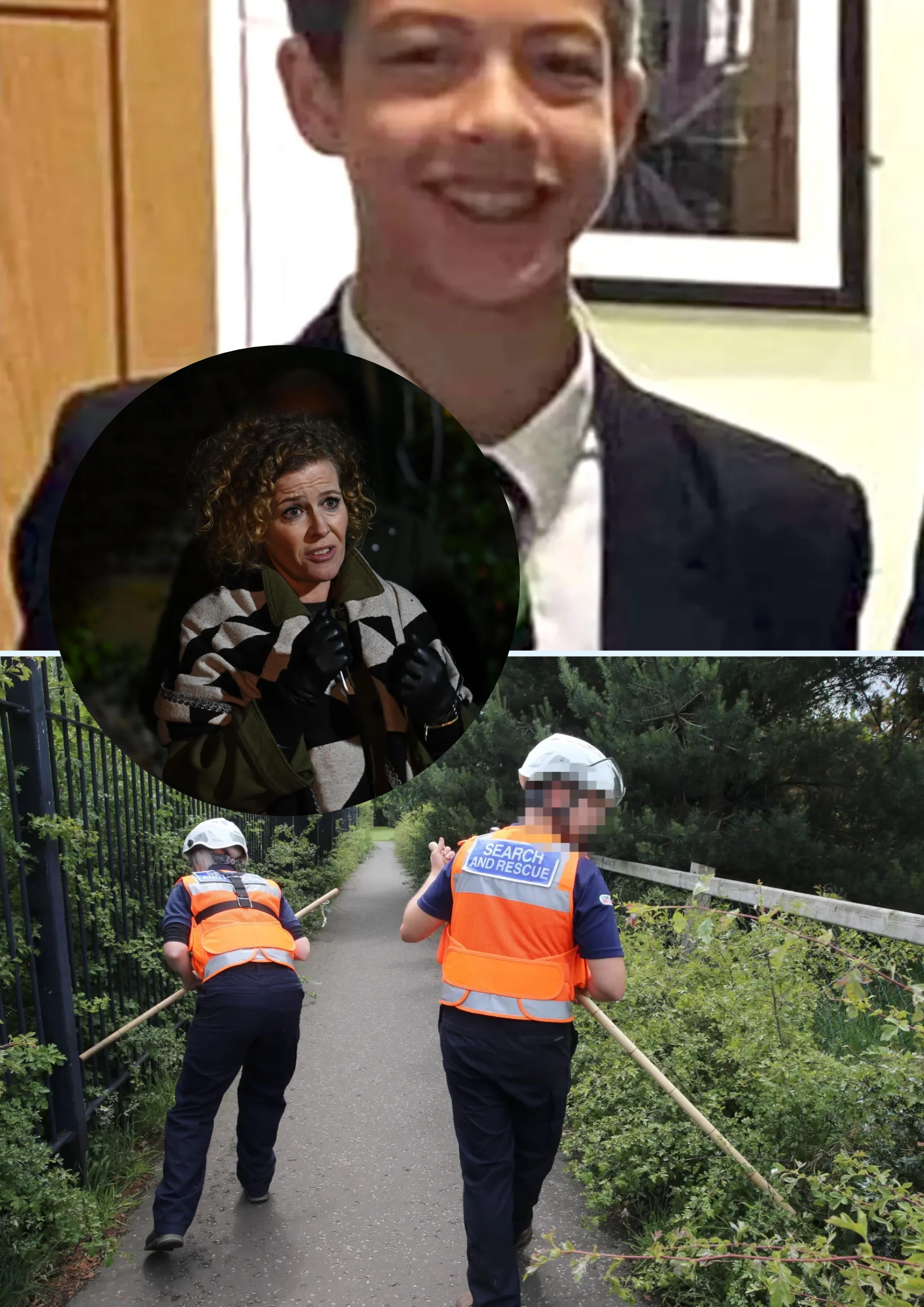
NOAH DONOHOE’S MOTHER TURNED SIX YEARS OF GRIEF INTO A RELENTLESS SEARCH FOR ANSWERS
For six years, Fiona Donohoe has lived with one question that refused to go away: What happened to her son, Noah?
The 14-year-old Belfast schoolboy disappeared in June 2020 while cycling across the city to meet friends.
Six days later, his body was discovered inside an underground water tunnel.
Now, after one of the longest and most closely watched inquests in Northern Ireland, Noah’s mother has finally heard a jury’s findings — but not every question has an answer.
 THE DISAPPEARANCE THAT SHOCKED BELFAST
Noah disappeared on June 21, 2020, during the COVID-19 lockdown.
The teenager had left his home in south Belfast on his bicycle, intending to meet two friends in the Cavehill area.
CCTV footage later showed Noah travelling across Belfast.
At one point, he fell from his bicycle.
Later footage showed him cycling without his clothes before abandoning his bicycle and entering an area close to an underground culvert.
His behavior was described during the inquest as completely out of character.
His mother, Fiona, immediately began appealing for help.
The search quickly grew into a huge community effort.
For days, family members, friends, police officers and members of the public searched for Noah.
Then, on June 27, 2020, his body was found more than 600 meters downstream inside an underground water tunnel in north Belfast.
A post-mortem examination concluded that he had drowned.
 FIONA REFUSED TO STOP ASKING QUESTIONS
For Fiona, finding Noah did not end the search for answers.
It changed it.
She became the public face of a campaign seeking a fuller explanation of what had happened to her only child.
Supporters became known as “Noah’s Army.”
Almost 300,000 people signed a petition calling for greater transparency surrounding the investigation.
Fiona also attended the lengthy inquest, sitting through months of evidence about Noah’s final movements, CCTV footage, the underground culvert and the police investigation.
She described Noah as a bright, kind and inquisitive teenager who had dreams of studying medicine.
His friends told the inquest about his intelligence, humor and curiosity.
One friend described him as the most intelligent person he had ever known.
SIX YEARS LATER, THE INQUEST REACHED ITS CONCLUSION
The inquest began hearing evidence in January 2026.
More than 70 witnesses gave evidence, alongside additional statements, CCTV footage, police records, maps and expert reports.
After more than 30 hours of deliberations, the jury reached unanimous findings on the questions put before them.
One significant finding concerned the underground culvert.
The jury found that failures by the Department for Infrastructure in managing access to the water system possibly contributed to Noah’s death.
Jurors concluded that the entrance had not been identified as a location potentially accessible to the public, meaning warning signs were not installed and the opening was protected only by a debris screen.
The jury said this meant Noah was able to access the culvert.
POLICE FAILINGS — BUT NOT A DIRECT CAUSE OF DEATH
The jury also examined the actions of the Police Service of Northern Ireland.
Importantly, jurors did not find that police failings contributed directly to Noah’s death, based on the determination about when he died.
However, they identified 13 investigative shortcomings that affected the ability to establish what happened.
These included problems involving CCTV, delays in searches and other investigative issues.
The findings meant that while the jury did not conclude police errors caused Noah’s death, those shortcomings made it more difficult to answer important questions surrounding his disappearance.
“NOAH WAS FAILED”
Outside Belfast Coroner’s Court, Fiona’s solicitor read a statement on her behalf.
She described Noah as “my greatest gift in life” and said she missed him every day.
She said she had entered the inquest looking for answers and left with what she considered one clear conclusion: “Noah was failed.”
Fiona also thanked the jury, the coroner and Noah’s friends for helping show the person behind the headlines — a funny, ambitious, loyal and positive teenager.
She thanked the thousands of people who had stood beside her through the years.
A MOTHER’S FIGHT IS NOT OVER
The conclusion of the inquest does not erase the six years Fiona has spent searching for answers.
It does, however, provide a detailed record of the failures and uncertainties that surrounded Noah’s final days.
The jury could not explain every aspect of his behavior before he entered the culvert.
And some questions surrounding his final movements remain unresolved.
For Fiona, Noah is not simply the subject of a six-year investigation.
He is her only child.
He was the teenager she described as a beautiful soul with a bright future.
And six years after his disappearance, she is still carrying his memory forward.
Noah was 14 when his life ended.
His mother has spent the years since then making sure the world does not forget his name.
Noah Donohoe.