LUCY LETBY INQUIRY FINDS HOSPITAL FAILED TO ACT ON WARNINGS — THREE BABIES MIGHT HAVE BEEN SAVED 💔
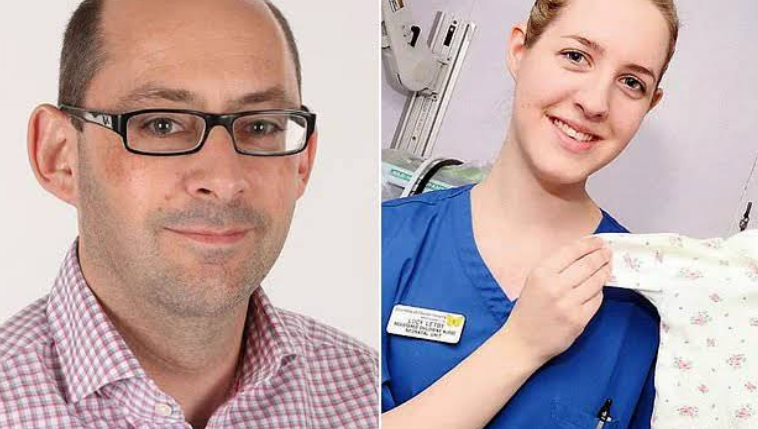
LUCY LETBY INQUIRY FINDS HOSPITAL FAILED TO ACT ON WARNINGS — THREE BABIES MIGHT HAVE BEEN SAVED 💔
A long-awaited public inquiry into the Lucy Letby case has found serious failures at the hospital where the former neonatal nurse worked, concluding that earlier action could have saved babies and prevented further harm.
The Thirlwall Inquiry, led by Lady Justice Kathryn Thirlwall, published its findings on September 15, 2026, after examining what happened at the Countess of Chester Hospital in England between 2015 and 2018.
The inquiry found failures in leadership, governance and safeguarding, including repeated missed opportunities to respond to doctors’ concerns about unusual collapses and deaths in the neonatal unit.
:max_bytes(150000):strip_icc():focal(749x0:751x2):format(webp)/lucy-letby-082025-d6a9570af71d4f878a675b0a1e61ab59.jpg) THREE BABIES MIGHT HAVE SURVIVED
THREE BABIES MIGHT HAVE SURVIVED
One of the most significant findings was that three babies might have survived and seven others might have been protected from harm if hospital leaders had acted sooner.
The inquiry identified multiple points when concerns about Letby’s presence during unexplained incidents should have triggered a stronger safeguarding response.
Doctors had raised concerns about the pattern of incidents, but the inquiry found that senior management failed to respond appropriately and that there was a prolonged delay before police were contacted.
In one case, an earlier insulin-poisoning incident should have prompted escalation to senior management and police, according to the inquiry’s findings.
:max_bytes(150000):strip_icc():focal(736x229:738x231):format(webp)/lucy-letby-071124-2-4c77268fe6eb42f1a51e9ff2d91b64f5.jpg) WARNINGS WERE RAISED — BUT ACTION CAME TOO LATE
WARNINGS WERE RAISED — BUT ACTION CAME TOO LATE
The report described what Lady Justice Thirlwall called a “complete failure” at all levels to properly invoke safeguarding procedures.
The inquiry found a dysfunctional relationship between hospital leadership and clinicians, while senior staff focused on clinical explanations for the babies’ collapses and deaths rather than acting on concerns that deliberate harm could have occurred.
When Letby was eventually removed from the neonatal unit in July 2016, clinicians who had raised concerns were themselves subjected to a grievance process brought by Letby, according to the inquiry.
The report also found that parents were kept unaware for years about concerns surrounding their babies.
FAMILIES WERE LEFT WITHOUT ANSWERS
For the families involved, the inquiry’s findings have reopened some of the most painful questions surrounding their children’s deaths and injuries.
The report found that parents were not properly informed about the concerns being investigated inside the hospital and described this failure as “reprehensible.”
The British government subsequently apologized to the affected families, acknowledging the suffering caused by the failures identified in the inquiry.
MAJOR CHANGES RECOMMENDED FOR NHS HOSPITALS
The inquiry made a series of recommendations aimed at preventing similar failures in the future.
Among them are proposals for video monitoring in neonatal cots and incubators, allowing parents to observe their babies remotely, as well as increased monitoring of areas where insulin is stored.
The government has already announced work on neonatal “cot cams” and other patient-safety measures following the report.
WHAT THE INQUIRY DID — AND DID NOT — EXAMINE
Letby was convicted of murdering seven babies and attempting to murder seven others and is serving whole-life prison terms.
However, the Thirlwall Inquiry was not established to reconsider those convictions. Its focus was the hospital’s response, management and safeguarding failures surrounding the events.
Letby’s legal team continues to challenge her convictions, and the Criminal Cases Review Commission is independently reviewing her case.
The inquiry’s findings therefore do not themselves change Letby’s convictions.
Instead, they expose a separate and deeply troubling question:
What might have happened if the warnings had been acted upon when they were first raised?
For the families involved, that question may remain one of the most painful parts of the entire case.