THE HIDDEN TOLL OF LYMPHATIC FILARIASIS: BEYOND PHYSICAL PAIN
THE HIDDEN TOLL OF LYMPHATIC FILARIASIS: BEYOND PHYSICAL PAIN
A single mosquito bite can initiate a silent infection that lingers invisibly inside the human body for years. Lymphatic filariasis, a neglected tropical disease caused by microscopic parasitic worms transmitted by mosquitoes, targets the body’s lymphatic system—the essential network responsible for maintaining fluid balance and immune function.

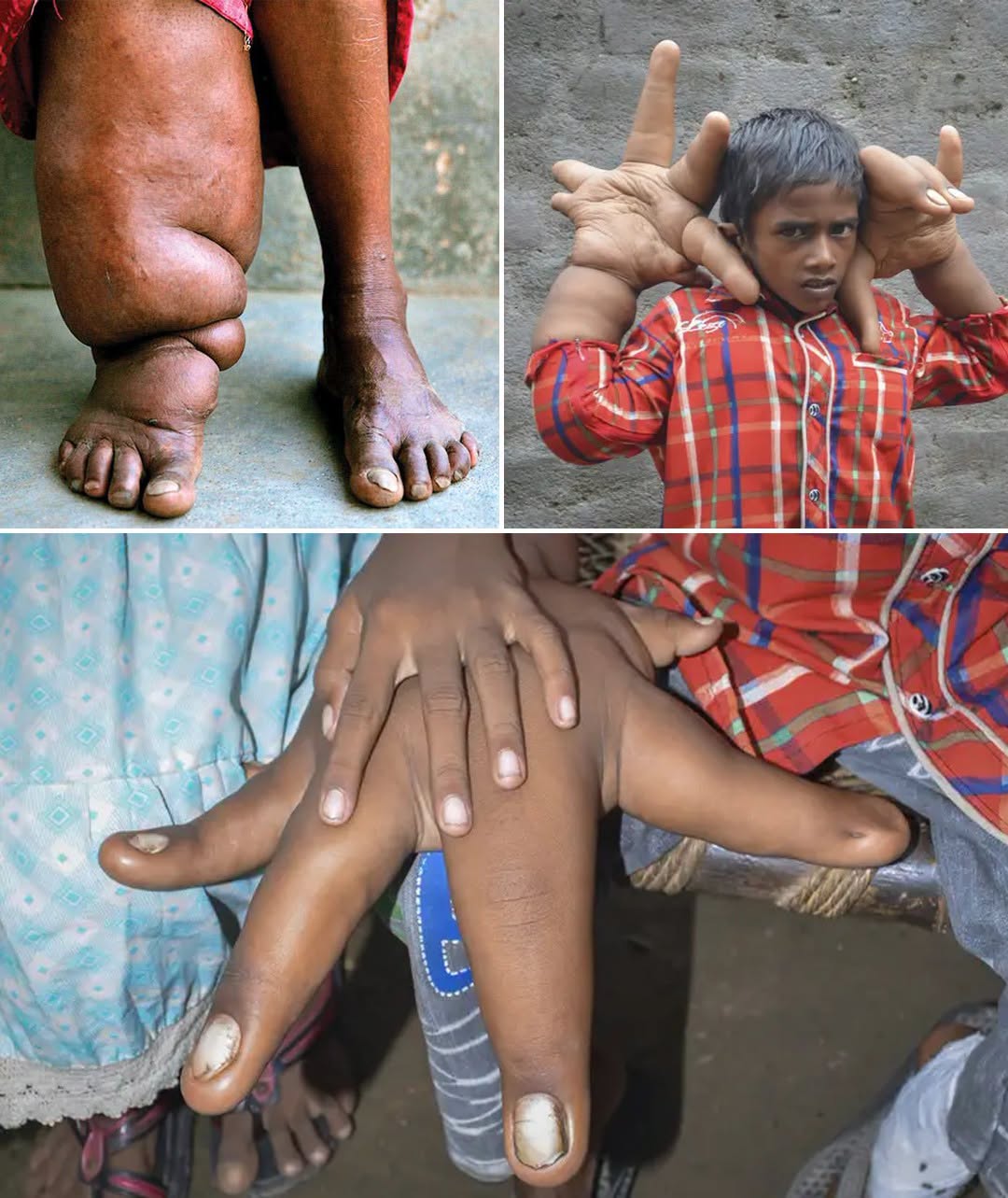
In the early stages, many infected individuals show no obvious external symptoms, yet internal damage quietly progresses. Over time, the disease can manifest as severe lymphedema, leading to massive swelling in the legs, arms, or genital organs. In advanced stages, the skin thickens and hardens into a condition commonly known as elephantiasis. The physical consequences are profound: mobility becomes restricted, painful secondary bacterial infections occur frequently, and the ability to work or perform everyday tasks is severely compromised.
However, the physical suffering is only one dimension of this condition. In regions where the disease persists, people living with visible deformities often face intense social stigma, discrimination, and isolation. Many lose their livelihoods, experience rejection from their communities, and withdraw entirely from public life. The World Health Organization highlights that the social and economic burden of this disease is devastating.

Fortunately, lymphatic filariasis is preventable and manageable. Large-scale preventive chemotherapy campaigns have successfully halted transmission in numerous countries, while proper hygiene, skincare, and long-term clinical support can prevent symptoms from worsening for those already affected. While millions continue to manage its chronic effects, the hardest challenge should never be the loss of human dignity simply because a disease changes how a body looks.