Evidence From Philadelphia ‘House of Horrors’ Sent to Chicago as Investigators Search for Answers About Missing Women
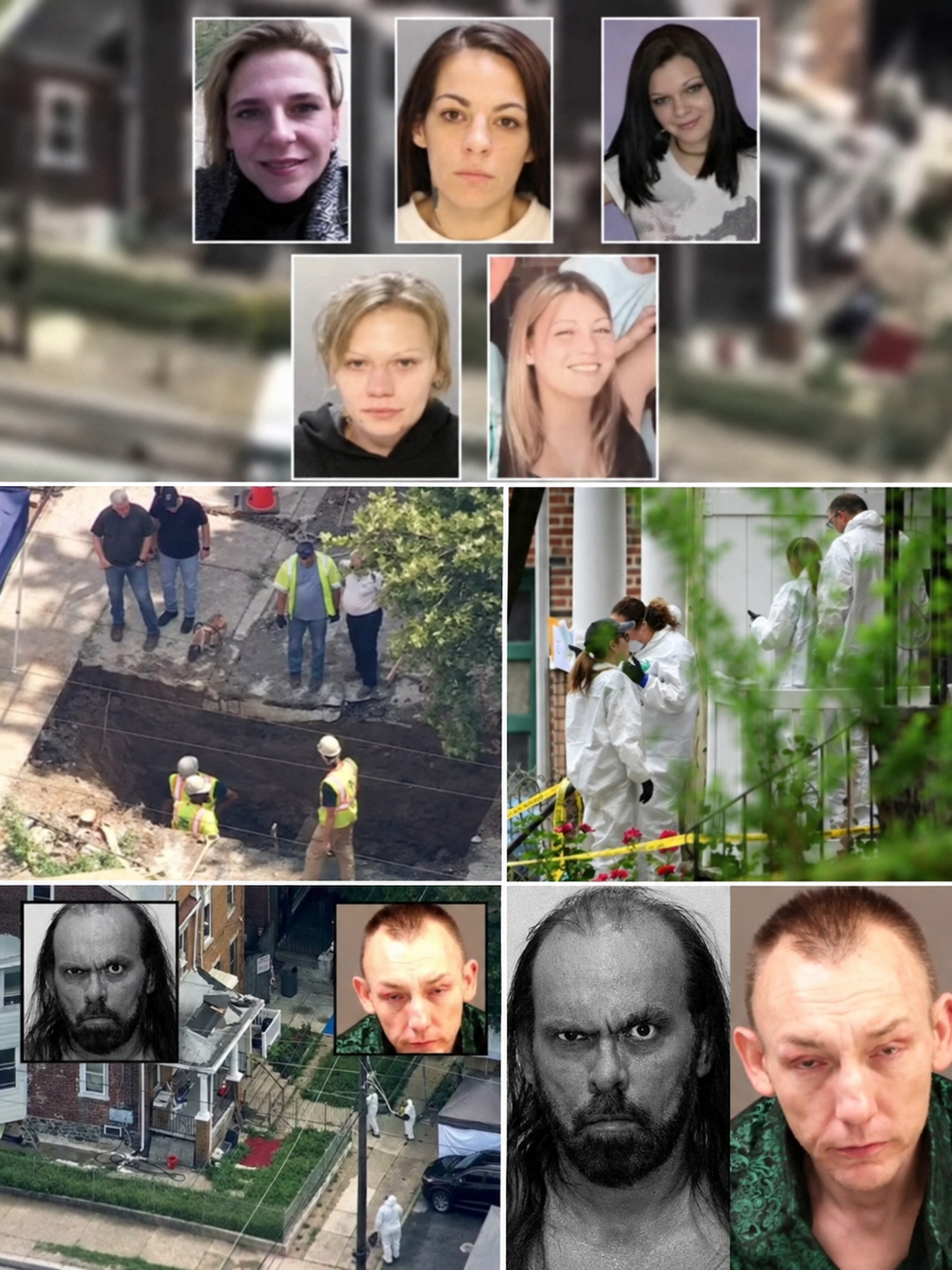
Investigators probing a Philadelphia home linked to at least seven missing women have sent key physical evidence hundreds of miles away to Chicago for specialized forensic testing, marking another significant step in a case built around an enormous collection of digital files, unidentified chemicals and unanswered questions about what happened inside the property.
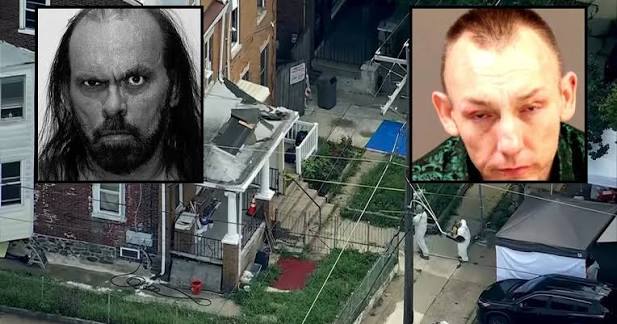
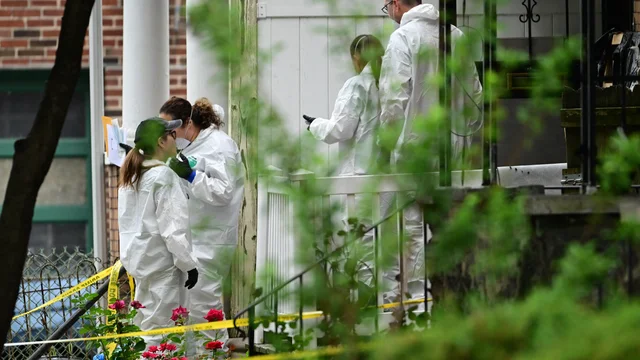
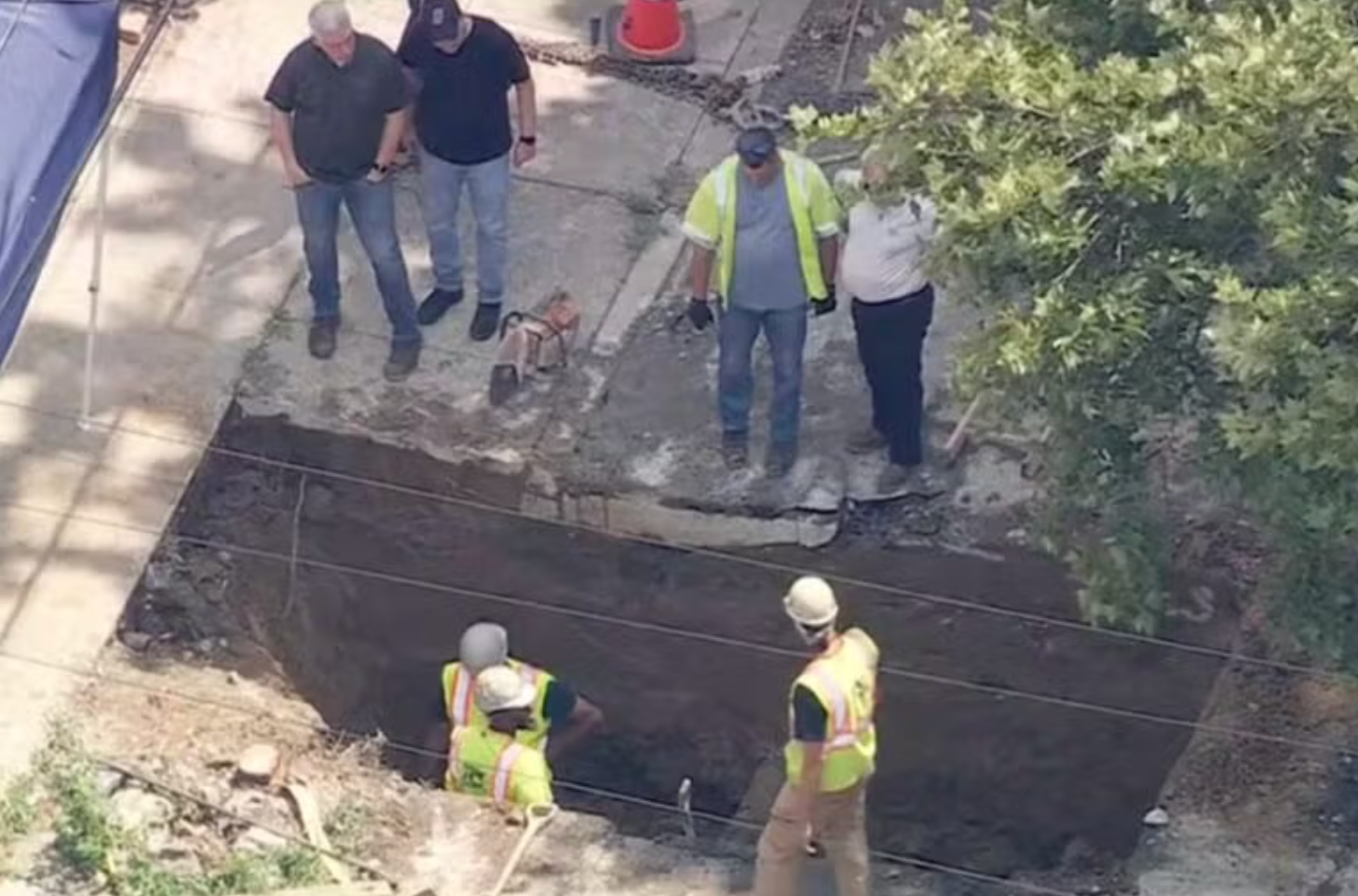
The investigation centers on a house at 417 West Chew Avenue in Philadelphia’s Olney neighborhood, where authorities say they recovered more than one million photographs and videos, several urns, unknown chemical substances and what investigators described as a basement laboratory.
Up to 20 containers of chemicals recovered from the property have now been sent to a laboratory in the Chicago area for analysis.
Authorities have not publicly identified the laboratory or disclosed exactly what substances investigators suspect may be inside the containers.
The testing could become crucial as law enforcement attempts to determine whether the chemicals have any connection to the disappearances of women associated with the house.
No human remains tied to the missing women have been publicly confirmed as recovered.
Why Evidence Was Sent Hundreds of Miles Away
Sending evidence from Philadelphia to Chicago may seem unusual, but forensic experts say large and highly complex investigations often require laboratories with specialized equipment, trained personnel or sufficient capacity to handle demanding examinations.
Former federal investigator Phil Andrew explained that authorities may select laboratories based on expertise, staffing and the specific technology required for testing.
In a case involving unusual chemical substances and massive amounts of digital material, investigators may need multiple specialized facilities rather than relying on a single local laboratory.
Some evidence from the Philadelphia property reportedly arrived in Chicago as early as July 27.
The analysis is expected to take time.
Experts say investigators will need to determine what each substance contains, whether it can be connected to other evidence recovered from the house and whether laboratory findings can help establish what happened to any of the missing women.
Throughout that process, preserving the chain of custody will be critical.
Every transfer, examination and movement of evidence must be documented so any findings can later withstand scrutiny in court.
More Than One Million Digital Files Recovered
The chemical testing represents only one part of a much larger forensic effort.
Investigators have recovered an extraordinary volume of digital evidence from the Chew Avenue property.
Authorities previously said the collection includes more than 600,000 images, roughly 70,000 videos and more than 10,000 pages of writings, manuscripts and drawings.
The total number of digital files under examination has since been described as exceeding one million.
Police have identified 58 people appearing in the images and videos recovered from the house.
Among those individuals are women who had previously been reported missing.
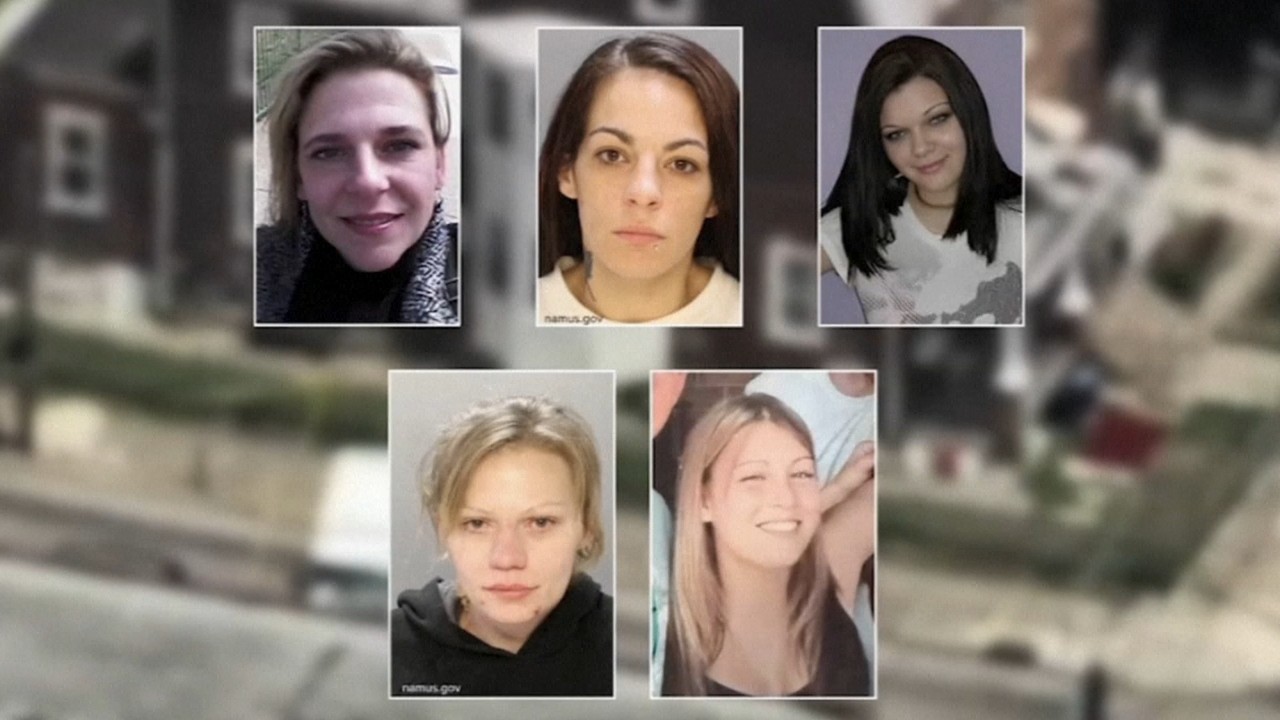
Seven missing women have now been linked to the property, according to investigators, and five are feared dead based on material authorities say they discovered in the digital archive.
Investigators have only reviewed part of the massive collection.
Recent reports indicate that roughly 30% of the material has been examined, meaning significant evidence may remain undiscovered inside the files.
Videos Raise Fears That Some Women Died
Authorities have described portions of the recovered material as extremely disturbing.
Investigators say some videos appear to show women unconscious or possibly dead.
Police have also said that one important recording appears to show Raymond “R.C.” Horsch strangling a woman.
Horsch, an erotic filmmaker who previously lived at the property, died in 2025.
Because he is dead, he cannot be prosecuted even if investigators ultimately determine that he committed crimes documented in the recovered material.
Authorities are nevertheless examining his activities because identifying what occurred could help solve long-standing missing-person cases and provide answers to families.
Several women associated with the home have been publicly identified, including Gabrielle Amarando, Maribel Fresses, Nicole Fusaro, Blair Tonzelli and Horsch’s former wife, Amy McHale.
Investigators have said some of those women appear in recovered images or videos.
The existence of disturbing footage, however, does not automatically establish how each woman died or disappeared.
That distinction remains central to the investigation.
No Bodies Have Been Found
Despite the disturbing digital evidence, investigators have not announced the discovery of bodies belonging to the missing women.
That has made the physical evidence from the house particularly important.
Authorities reportedly recovered multiple urns containing ashes along with chemical containers and laboratory equipment.
The presence of those materials has fueled speculation about whether bodies may have been destroyed or concealed.
Investigators have not confirmed that theory.
Determining exactly what the chemicals are — and whether they contain biological or other trace evidence — is one reason the Chicago analysis could prove important.
Until those tests are completed, authorities are being cautious about drawing conclusions.
The absence of recovered remains also complicates any potential homicide prosecution because investigators must reconstruct what happened through videos, digital records, witness statements, forensic evidence and missing-person timelines.
Investigation Began After Eugene Horsch’s Arrest
The wider investigation emerged after Raymond Horsch’s son, Eugene Horsch, was arrested in June.
Authorities initially encountered Eugene during an unrelated investigation involving weapons and drugs.
A missing woman’s identification was reportedly found in connection with that encounter, prompting investigators to search the Chew Avenue residence.
What they discovered dramatically changed the scope of the case.
Inside the home, investigators found weapons, drugs, digital storage devices and the enormous archive of photographs and videos.
Eugene Horsch remains in federal custody on firearms and narcotics charges.
He has not been charged with killing any of the missing women, and authorities have not publicly established that he participated in the violent acts allegedly depicted in material attributed to his father.
That distinction is important as investigators continue separating evidence associated with Raymond from evidence potentially connected to Eugene.
Investigators Are Trying to Identify Everyone in the Files
The FBI and Philadelphia police are continuing to identify people seen throughout the recovered material.
Of the 58 individuals identified so far, some have cooperated with investigators while others have declined to speak.
In certain cases, authorities discovered that people appearing in the material had already died from unrelated causes.
Investigators are now attempting to establish when each image or video was recorded, where the person was afterward and whether the footage documents staged activity, abuse or an actual crime.
That process is especially difficult because Raymond Horsch produced extreme fetish and erotic material.
Some scenes may have been staged.
Others may document genuine violence.
Investigators therefore cannot assume that every disturbing image represents a criminal act.
Each file has to be examined within its wider context.
Missing Women Cases Are Being Revisited
The discovery has forced authorities to revisit disappearances stretching back years.
One of the most closely examined cases involves Amy McHale, Raymond Horsch’s former wife.
McHale disappeared in 2016 after telling her daughter she was staying at the Chew Avenue property.
She was never seen again.
Police investigated at the time but did not have the extensive digital archive now available.
Her case — along with several others — is being reviewed in light of the new evidence.
The investigation has also prompted questions about whether connections between multiple missing women and the same property could have been recognized earlier.
Authorities have said the current evidence was not available during many of the original missing-person investigations, making it difficult to know what could reasonably have been identified years ago.
Chemical Testing Could Provide a Major Break
The materials now being examined in Chicago could become one of the most important pieces of the investigation.
Forensic specialists will likely be looking not only at the chemical composition of the substances but also for trace evidence that could connect them to people, objects or events inside the home.
Testing may reveal nothing criminal.
It may identify ordinary industrial or laboratory chemicals.
Or it could produce evidence that helps investigators reconstruct what happened to one or more missing women.
Authorities have not publicly predicted what the testing will show.
Federal investigators say their goal is to examine every possible lead carefully enough that no evidence capable of identifying a victim or explaining a disappearance is overlooked.
Much of the Case Is Still Unknown
Despite the enormous amount of material already uncovered, investigators may still be far from understanding the full scope of what happened at the Chew Avenue house.
Only part of the digital evidence has been reviewed.
Some people appearing in the files have not been fully accounted for.
The identities of all potential victims have not been publicly released.
No bodies connected to the missing women have been recovered.
And no one has yet been charged with their deaths.
The next major clues may therefore come from evidence that does not initially appear dramatic: microscopic traces, chemical analysis, metadata hidden inside video files or information provided by people investigators are still trying to locate.
For families who have spent years without knowing what happened to their loved ones, the forensic work underway in Chicago carries enormous significance.
The investigators’ task is no longer simply to understand what was inside the Philadelphia house.
It is to determine whether that evidence can finally explain what happened to the women who entered its orbit — and, in some cases, were never seen again.