LUCY LETBY CASE ROCKED BY BOMBSHELL NEW QUESTIONS AS WHISTLEBLOWER CLAIMS HOSPITAL FAILURES MAY HAVE BEEN OVERLOOKED
LUCY LETBY CASE ROCKED BY BOMBSHELL NEW QUESTIONS AS WHISTLEBLOWER CLAIMS HOSPITAL FAILURES MAY HAVE BEEN OVERLOOKED
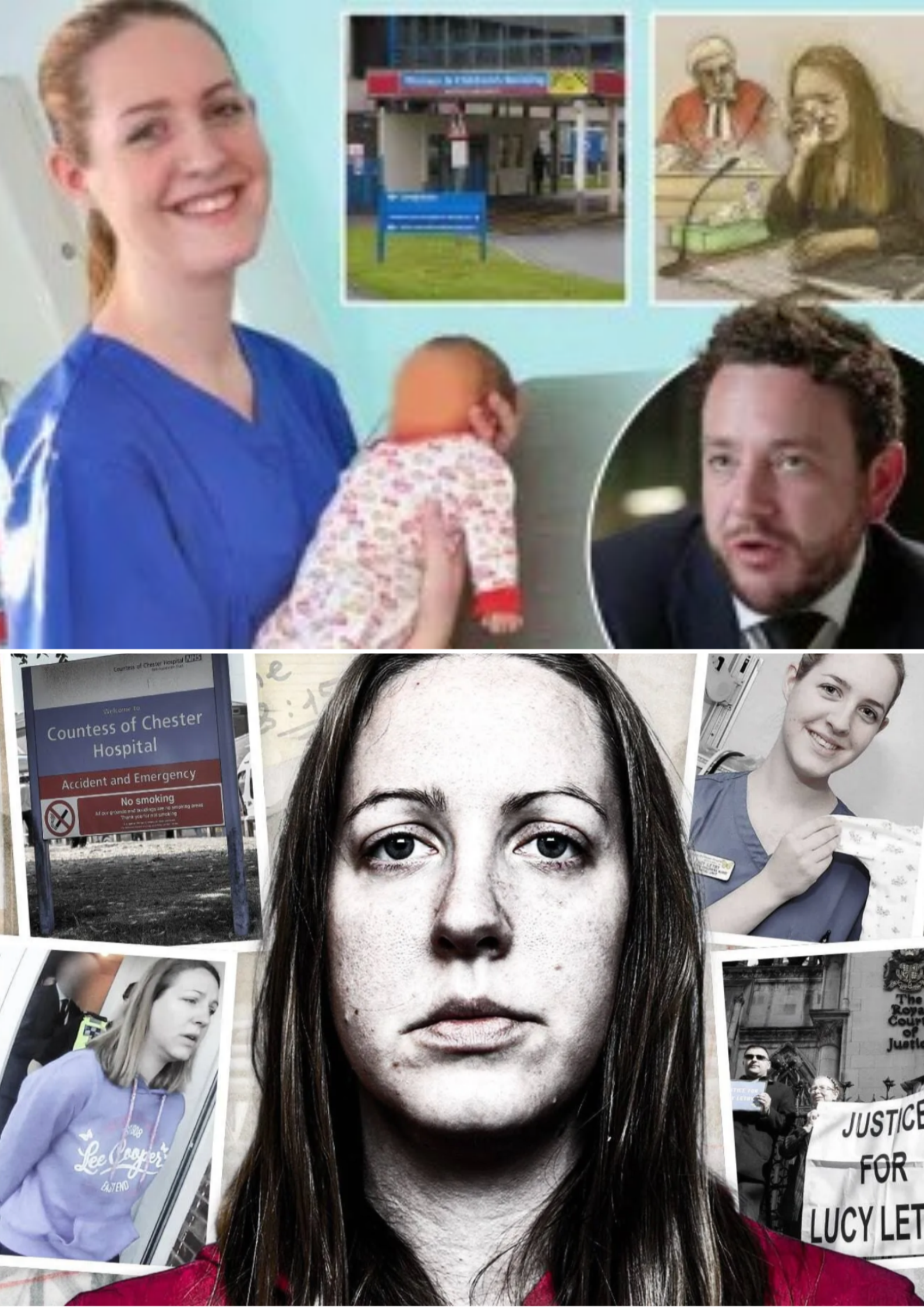
Lucy Letby’s murder convictions are facing renewed scrutiny after an anonymous senior hospital insider raised fresh questions about conditions inside the neonatal unit where seven babies died and seven others were allegedly targeted.
Letby, 36, is serving 15 whole-life orders after being convicted of murdering seven babies and attempting to murder seven others at the Countess of Chester Hospital between 2015 and 2016.
She has consistently denied the offences.
Her previous attempts to appeal her convictions have been unsuccessful, but her legal team has been pursuing a new review through the Criminal Cases Review Commission (CCRC).
Now, a new investigation has brought fresh medical and institutional questions into the spotlight.
 SENIOR WHISTLEBLOWER QUESTIONS WHAT HAPPENED INSIDE THE UNIT
An anonymous senior consultant who worked at the Countess of Chester Hospital has spoken publicly about conditions inside the neonatal unit.
The whistleblower raised concerns about staffing levels, overcrowding and whether the unit was caring for babies whose medical needs exceeded what the hospital was equipped to provide.
The testimony forms part of a new Channel 5 documentary, Lucy Letby: Scapegoat?, produced in partnership with The Sun.
The insider’s account does not establish that Letby was deliberately framed. Instead, it raises the possibility that wider institutional problems may have contributed to some of the unexplained collapses and deaths that ultimately became central to the prosecution case.
 THIRLWALL INQUIRY FOUND SERIOUS HOSPITAL FAILURES
The new questions come shortly after the publication of the final report from the Thirlwall Inquiry.
Lady Justice Kathryn Thirlwall found serious failures in management, governance and safeguarding at the Countess of Chester Hospital.
Her report described a “gulf” between hospital leadership and clinicians and found a complete failure to use safeguarding procedures after concerns were raised that babies might have been deliberately harmed.
The inquiry also found that senior management delayed involving police and that doctors who raised concerns were themselves subjected to investigations and pressure.
The report concluded that some collapses and deaths could have been avoided had proper safeguarding procedures been followed.
However, the inquiry was not an appeal against Letby’s convictions.
It did not determine whether Letby was innocent or guilty and did not conduct a detailed reassessment of all the expert evidence heard during her criminal trials.
EXPERTS CHALLENGE PARTS OF THE MEDICAL CASE
Another major development has come from a group of medical experts who have questioned elements of the evidence used to convict Letby.
Canadian neonatologist Dr Shoo Lee assembled an international panel of specialists to examine the medical records.
According to reporting on the panel’s conclusions, the experts identified possible alternative explanations for some of the deaths and collapses, including infection, complications associated with prematurity and problems with medical care.
The panel also challenged parts of the prosecution’s interpretation of alleged air embolisms in several cases.
These opinions are now being considered by Letby’s legal team as part of efforts to have her case reviewed.
But they remain contested medical interpretations, rather than a court ruling overturning the convictions.
NEW QUESTIONS OVER BABIES ALLEGEDLY POISONED WITH INSULIN
A separate investigation by The Sun has raised questions about evidence relating to Babies F and L, two infants whose cases involved allegations of insulin poisoning.
The newspaper reported that 14 normal glucose readings from Baby F were not included in material presented to police or the trial, while another expert review has questioned the interpretation of Baby L’s blood-sugar evidence.
The same investigation also raised questions about medical documentation surrounding Baby O.
These claims have not resulted in a judicial finding that the original convictions were unsafe. They are among the issues that Letby’s lawyers and supporters say should be examined through the appropriate appeal process.
A KEY WITNESS ACCOUNT HAS ALSO COME UNDER SCRUTINY
Fresh attention has also fallen on evidence from consultant Dr Ravi Jayaram, who gave evidence about Baby K.
The Sun reported that an email written by Jayaram in 2017 described Letby calling him after Baby K’s oxygen levels fell.
That account differs from the way his later evidence was presented to the jury.
Importantly, the Thirlwall Inquiry itself noted that Jayaram had gone into the room after being called by Letby, which was different from his evidence before the criminal court. The inquiry also noted that no questions were asked about this discrepancy during the trial.
That discrepancy does not by itself establish that Letby’s conviction was unsafe.
It does, however, form part of the growing list of issues being highlighted by those calling for further examination of the case.
TWO EXPERTS HAVE WITHDRAWN FROM LETBY’S DEFENCE TEAM
The renewed scrutiny has also produced a significant counterpoint.
Two scientists recently withdrew from Letby’s defence team because they were concerned that some arguments being advanced were inconsistent with available evidence, science and established physiology.
Their decision illustrates how contested the medical debate remains.
While some experts argue that alternative medical explanations were overlooked, others continue to stand by aspects of the scientific evidence underlying the prosecution case.
WHAT HAPPENS NEXT?
Letby’s legal team has been seeking further review of her convictions through the CCRC.
If the commission decides that there is a sufficient basis to refer the case, it could return to the Court of Appeal.
That process is separate from the Thirlwall Inquiry and from the new documentary investigation.
For now, Lucy Letby’s convictions remain in force.
But the combination of new expert opinions, disputed medical evidence, questions over witness accounts and revelations about serious failures inside the hospital has ensured that the case remains under intense scrutiny.
The central question is no longer simply what happened to the babies.
It is also whether every relevant medical explanation and every piece of evidence was properly understood when one of the UK’s most closely watched murder cases went to trial.
And that question may now be heading back toward the courts.