AILEEN WUORNOS’ FINAL MINUTES — THE LAST WORDS OF THE WOMAN WHO FACED DE@TH WITHOUT ASKING FOR MERCY
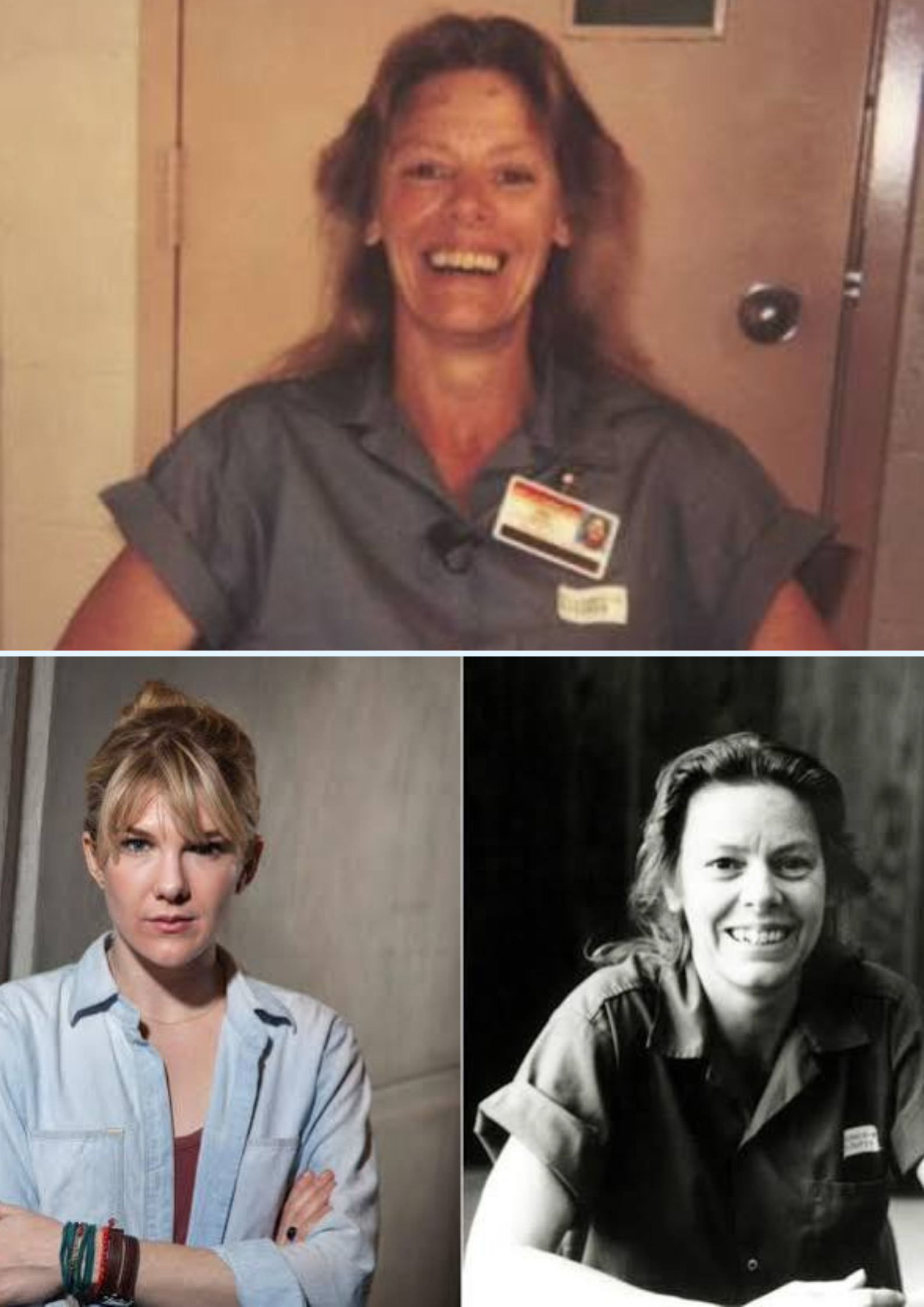
AILEEN WUORNOS’ FINAL MINUTES — THE LAST WORDS OF THE WOMAN WHO FACED DEATH WITHOUT ASKING FOR MERCY
On the morning of October 9, 2002, Aileen Wuornos walked into the Florida State Prison death chamber knowing exactly what was about to happen.
The woman who had become one of America’s most notorious female killers was about to be executed by lethal injection.
Behind the thick glass of the witness rooms sat journalists, officials and relatives connected to the men Wuornos had been convicted of killing.
Wuornos was strapped to a gurney.
She had already rejected a traditional last meal, choosing instead to have a cup of coffee. She had also declined visits from clergy, although she spent time reading the Bible during her final hours.
Then the curtain opened.
 THE ROOM FELL SILENT
Witnesses could see only portions of Wuornos’ body through the glass.
One contemporary CNN report said she briefly looked toward the witness area before staring upward.
She was asked whether she had any final words.
What followed was not a conventional apology or a plea for forgiveness.
Wuornos spoke about Jesus, a “big mother ship” and the movie Independence Day.
Her words were:
“I’m sailing with the Rock, and I’ll be back, like Independence Day with Jesus. June 6, like the movie. Big mother ship and all, I’ll be back, I’ll be back.”
The statement was spoken softly enough that some witnesses were initially uncertain about exactly what she had said.
THE INJECTION BEGAN
At approximately 9:30 a.m., the lethal injection was administered.
Wuornos had been connected to intravenous lines while strapped to the execution gurney.
The process was expected to take several minutes as the drugs took effect.
But the official time of death would come later.
At 9:47 a.m., Aileen Wuornos was pronounced dead.
She was 46 years old.
The Florida Department of Corrections’ historical case record lists her final action simply as:
Executed — October 9, 2002.
A FINAL CHAPTER AFTER YEARS ON DEATH ROW
Wuornos had been convicted of murdering Richard Mallory, a Florida electrician, and had pleaded no contest to five additional killings.
Authorities also believed she was responsible for the death of a seventh man, although she was never charged in that case because his body was never found.
Her case had attracted enormous attention partly because of her claims that some of the killings were committed in self-defense.
But by the final stage of her legal battle, Wuornos had changed her position.
She dismissed her attorneys and opposed efforts to continue appeals on her behalf.
In a statement to the Florida Supreme Court, she insisted that she wanted the execution to proceed.
“I killed those men, robbed them as cold as ice. And I’d do it again, too.”
Her lawyers had raised questions about her mental competency, but a state-appointed psychiatric panel determined that she was competent to be executed.
HER FINAL HOURS
The hours before the execution were remarkably controlled.
Wuornos woke at around 5:30 a.m.
Prison officials said she was calm and was allowed to shower and prepare for the execution.
She declined the traditional last meal and instead received coffee.
She also refused to meet with clergy, although reports said she spent time reading the Bible.
Outside the prison, anti-death-penalty demonstrators gathered as corrections officers maintained security.
Inside, witnesses waited behind glass for the final moments.
“I’LL BE BACK”
Then came the words that would become the most remembered part of Wuornos’ execution.
She did not deliver a conventional farewell.
Instead, she spoke of Jesus, Independence Day and returning.
Then she repeated:
“I’ll be back.”
Minutes later, the woman whose life had become the subject of books, documentaries and eventually a major Hollywood film was dead.
She had entered the death chamber at the end of a legal battle that had lasted more than a decade.
At 9:47 a.m., the execution was over.
THE LAST IMAGE OF A CONTROVERSIAL LIFE
Aileen Wuornos’ execution ended one of the most closely watched capital cases in modern Florida history.
For some victims’ relatives, it represented the end of years of waiting for a sentence to be carried out.
For others, the case remained deeply complicated by questions about Wuornos’ mental health, childhood trauma, her claims of self-defense and the circumstances surrounding her crimes.
But whatever interpretation people brought into the death chamber that morning, the final moments were recorded in the historical record.
A woman was strapped to a gurney.
The curtain opened.
She spoke about Jesus and a spaceship.
And then, at 9:47 a.m. on October 9, 2002, Aileen Wuornos was pronounced dead.