LUCY LETBY CASE REMAINS UNDER SCRUTINY AS EXPERTS CHALLENGE PARTS OF THE EVIDENCE
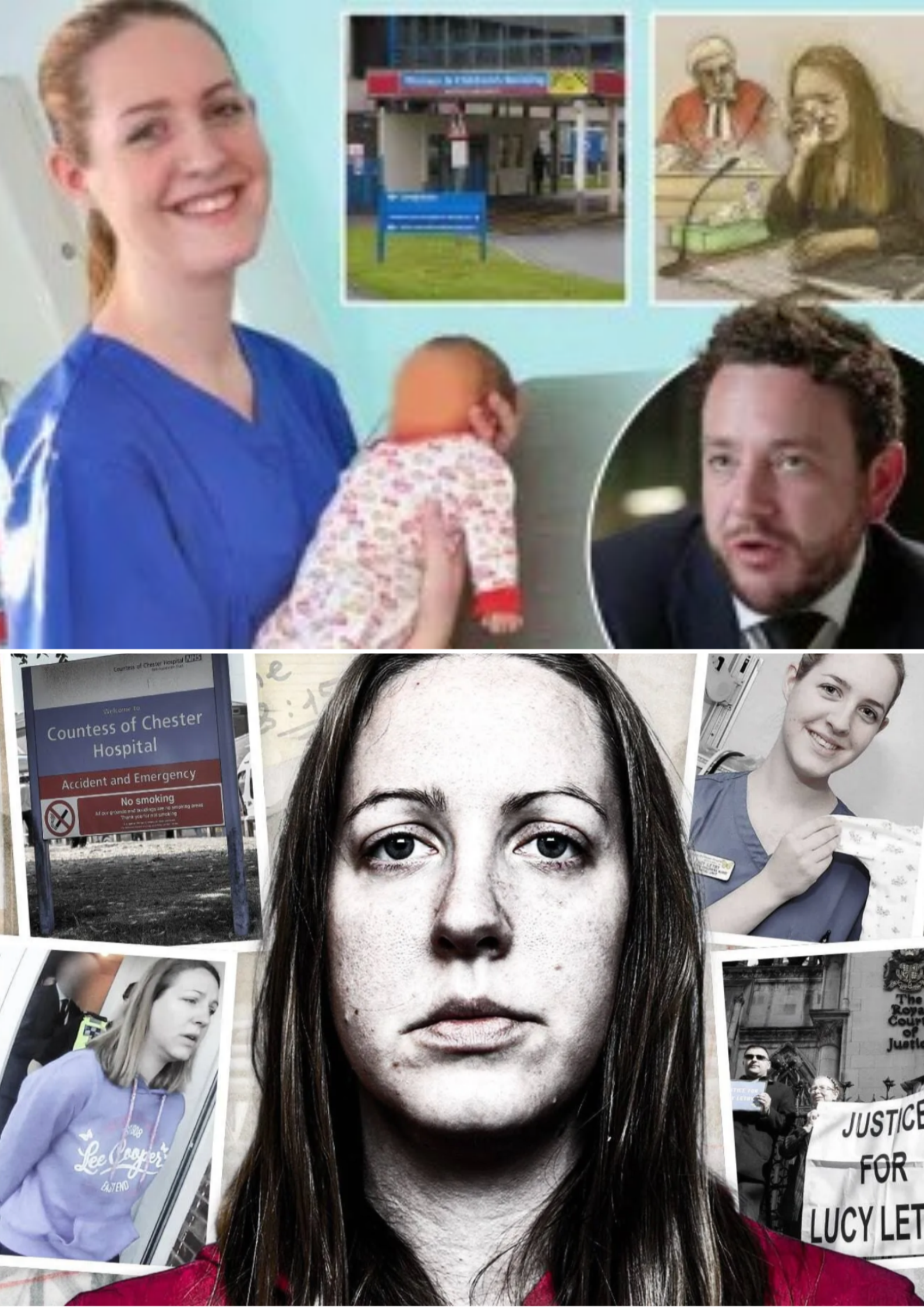
LUCY LETBY CASE REMAINS UNDER SCRUTINY AS EXPERTS CHALLENGE PARTS OF THE EVIDENCE
Lucy Letby remains convicted and imprisoned, but questions over the medical evidence used at her trials continue to fuel intense debate around one of Britain’s most closely watched criminal cases.
Letby, a former neonatal nurse at the Countess of Chester Hospital, was convicted across two trials of murdering seven babies and attempting to murder seven others. She is serving 15 whole-life orders. She continues to maintain her innocence.
Her convictions have not been overturned.
However, lawyers representing Letby have submitted new expert evidence to the Criminal Cases Review Commission (CCRC), which is examining whether there are grounds for the case to be referred back to the Court of Appeal.
The CCRC says its role is not to decide whether Letby is innocent or guilty, but to investigate whether new evidence or arguments create a real possibility that a conviction would not be upheld.
 QUESTIONS OVER THE INSULIN EVIDENCE
One of the most disputed areas concerns two babies whom prosecutors said had deliberately been poisoned with insulin.
Engineering expert Helen Shannon and bioengineering professor Geoff Chase previously produced a report challenging aspects of the scientific evidence surrounding those two cases.
They said they continued to stand by their assessment that it was “very unlikely” that the two babies had been poisoned with insulin.
But in September 2026, the pair withdrew from Letby’s defence team after expressing concerns about other arguments being advanced on her behalf.
In a letter to the CCRC, they said some of those arguments were inconsistent with the available evidence, science and established physiology.
Letby’s barrister, Mark McDonald, rejected the suggestion that the withdrawal undermined the wider defence case.
He said other international experts continued to challenge the scientific basis of the prosecution’s conclusions and argued that the evidence concerning the two insulin cases remained disputed.
 THE THIRLWALL INQUIRY FOUND SERIOUS HOSPITAL FAILURES
A major development came on September 15, 2026, when Lady Justice Kathryn Thirlwall published the findings of her public inquiry into events at the Countess of Chester Hospital.
The inquiry found what it described as dysfunctional management and governance, a divide between hospital leadership and clinicians, and serious failures in safeguarding.
It concluded that some babies’ collapses and deaths could have been avoided had safeguarding procedures been followed and concerns about possible deliberate harm been acted upon sooner.
The report also found that senior managers delayed contacting police after doctors raised concerns.
Among its recommendations are stronger monitoring of neonatal units, including cameras for cots and incubators, improved monitoring of infant deaths and tighter controls around access to insulin.
But the inquiry was not a retrial of Letby.
It accepted the existing criminal convictions as its starting point and was tasked with examining what happened at the hospital, how concerns were handled and what could be changed to protect babies in the future.
WHY THE DEBATE HAS NOT ENDED
The inquiry’s findings have therefore produced two separate strands of discussion.
One concerns the hospital’s failures: whether concerns were acted upon quickly enough, whether management responded appropriately and whether better safeguarding could have prevented further harm.
The other concerns the criminal case itself and whether new medical evidence could affect the safety of Letby’s convictions.
Those questions are being considered separately.
Some experts and commentators argue that the medical evidence presented at trial deserves further examination. Others maintain that the convictions were reached after extensive evidence was considered by juries and that the new challenges do not establish that the verdicts were wrong.
The withdrawal of Shannon and Chase has also highlighted disagreement within the group of experts supporting Letby’s legal challenge, rather than establishing a single scientific consensus.
THE CASE IS NOW WITH THE CCRC
The CCRC confirmed in February 2026 that its review of Letby’s convictions was underway.
A preliminary application was received in February 2025, followed by expert reports and further submissions over the following year. The commission said it was continuing to assess the material.
The commission has stressed that it makes evidence-based decisions independently and that it is not its role to determine guilt or innocence.
For now, therefore, Letby’s convictions remain in force.
The debate over the evidence continues, but the existence of disputed expert interpretations does not itself overturn a criminal conviction.
As the CCRC considers the new material, the central question remains whether the additional evidence and arguments meet the legal threshold required for the case to return to the Court of Appeal.
Until such a decision is made, Lucy Letby remains convicted of the offences for which she was sentenced to 15 whole-life terms.