CENTRAL PARK ARTIST LEE ROGERS KI//ED: BELOVED BIRD PAINTER FOUND DE@D IN GAZEBO
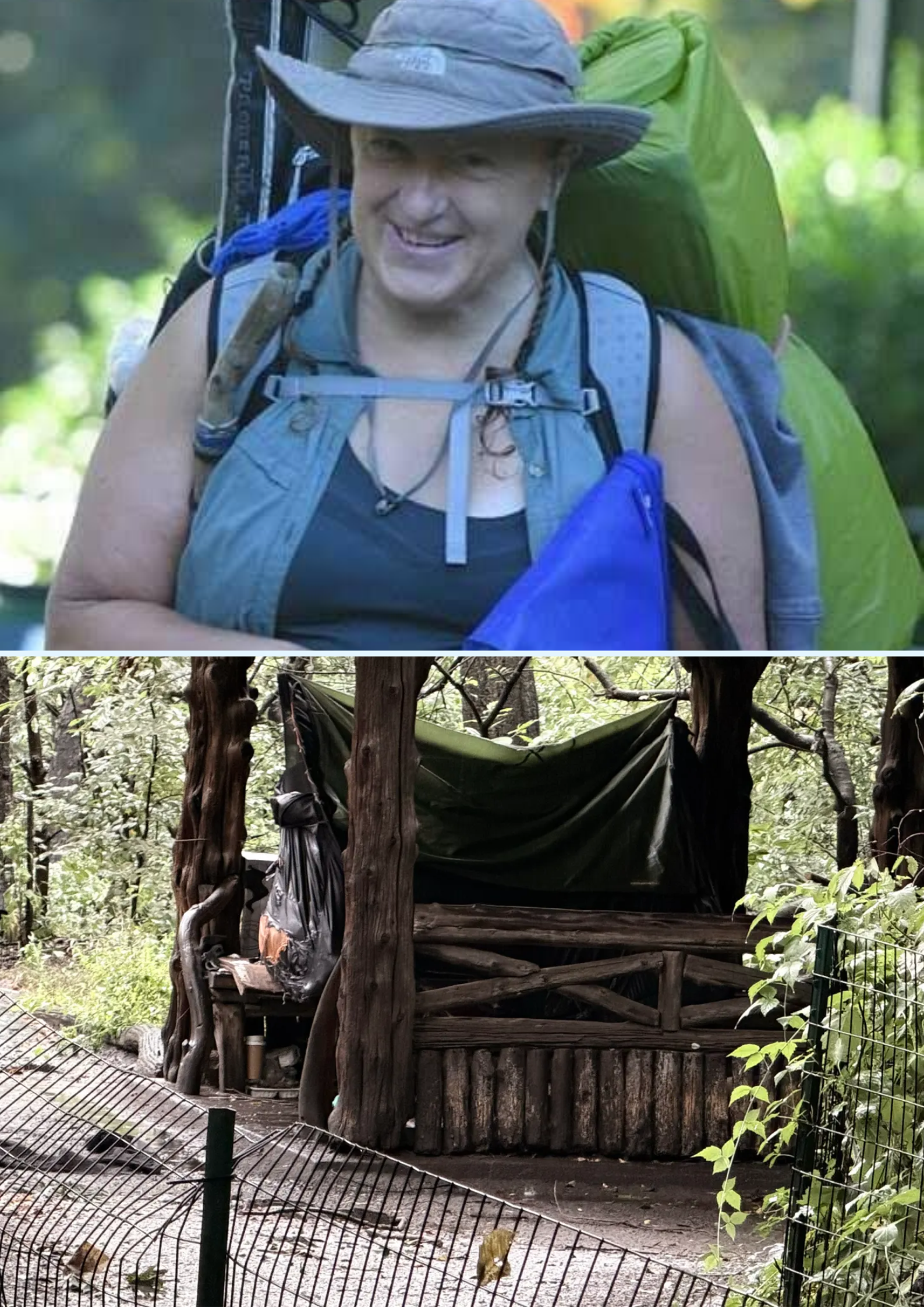
CENTRAL PARK ARTIST LEE ROGERS KILLED: BELOVED BIRD PAINTER FOUND DEAD IN GAZEBO
A 63-year-old woman known to generations of Central Park birdwatchers as a gifted artist has been killed inside the Manhattan park, leaving friends and longtime visitors mourning a woman whose life and artwork had become part of the park’s unique character.
Lee Rogers, a longtime Central Park artist known for painting detailed images of birds, was found dead inside a wooden gazebo near East Drive and East 74th Street on Sunday morning, September 27.
Police later arrested 36-year-old Jonathan Robles, who is facing charges of murder and criminal possession of a weapon.
The investigation remains ongoing.
 A BODY FOUND IN CENTRAL PARK
Police responded to a 911 call shortly before 9:45 a.m. reporting an unconscious person in the area of the park.
Officers found a 63-year-old woman inside or near a wooden gazebo. She was unconscious and unresponsive and had suffered severe trauma to her head.
She was pronounced dead at the scene.
Early reports about the nature of her injuries changed as investigators examined the circumstances. Police initially indicated that the woman had suffered stab wounds but later retracted that information, saying investigators believed she had been struck with a wooden stick or piece of wood.
The victim did not have identification when she was found, and authorities had not immediately released her name.
The New York Post subsequently reported that the woman was Lee Rogers, a familiar figure in Central Park’s birding and artistic community. People who knew her also connected her with the name Francis Lee Rogers and, according to the Post, the name Elise Bainbridge Hill.
 A WOMAN WHO MADE CENTRAL PARK HER CANVAS
For years, Rogers was known for painting the birds she encountered in Central Park.
She worked primarily with watercolors and created detailed studies of birds found in the park’s wooded areas, particularly around the Ramble.
Her paintings were sold to birdwatchers, park visitors and people who had become familiar with her work.
Robert DeCandido, a Central Park nature guide known as “Birding Bob,” told the New York Post that Rogers had become a distinctive part of the park’s birding community.
He compared her artistic presence to that of Grandma Moses, the celebrated American folk artist.
“She was like the Grandma Moses of Central Park,” DeCandido said, describing how birdwatchers appreciated both her artwork and her knowledge of wildlife.
Rogers was not simply painting birds from photographs.
Friends said she spent time observing the animals and understood their behavior, using what she saw in the park to inform her artwork.
One longtime acquaintance, Joe Lopez, remembered purchasing one of her paintings depicting Pale Male, the famous red-tailed hawk associated with Central Park.
He described Rogers as kind and knowledgeable about wildlife.
SHE HAD LIVED IN AND AROUND THE PARK
Rogers’ connection to Central Park extended far beyond her artwork.
She had experienced homelessness for years and frequently slept in or around the park, sometimes staying in shelters or temporarily receiving accommodation from people she knew through the birding community.
Her own website described Central Park’s boathouse as a place where she worked on her paintings.
The New York Post reported that she had become a familiar presence among birdwatchers, often carrying a sketchbook and spending long periods observing birds and creating artwork.
Her story had previously attracted wider attention.
Rogers was associated with the 2007 documentary “Begging Naked,” which chronicled her life and her experiences with homelessness, addiction and street life while also documenting her artistic work.
The film followed her over many years and portrayed the complicated circumstances that eventually led her to live in Central Park.
A COMMUNITY THAT KNEW HER
Although many New Yorkers may never have known Rogers’ name, she was recognizable to people who regularly spent time in Central Park’s birding community.
Friends and acquaintances remembered her as someone who knew the park’s wildlife intimately.
She could often be found painting or talking with birdwatchers, and her work became a personal connection between her and the people who visited the park.
That made news of her death particularly painful for those who had encountered her over the years.
The New York Post reported that birdwatchers began suspecting the unidentified woman found in the gazebo might be Rogers shortly after news of the death spread through the park’s community.
MAN ARRESTED AFTER TURNING HIMSELF IN
Later on Sunday, police arrested Jonathan Robles, 36, in connection with the killing.
According to authorities, Robles turned himself in to detectives.
He was subsequently charged with murder and criminal possession of a weapon.
His most recent listed address was a supportive-housing facility in Manhattan’s Hell’s Kitchen neighborhood.
Police have not publicly established a motive.
The New York Post reported that investigators were examining an apparent argument between Rogers and Robles that may have escalated into violence. However, details surrounding what happened immediately before the killing remained unclear.
A person familiar with both Rogers and Robles told the Post that the two were known to each other in the park’s homeless community.
That account has not been presented as an official determination of motive by police.
INVESTIGATION CONTINUES
The killing remains under investigation by the NYPD.
Authorities have not publicly released a complete account of what led to the fatal encounter, and the medical examiner’s findings are expected to further establish the official cause and manner of death.
Police also have not publicly provided a definitive explanation of the relationship between Rogers and Robles.
For now, the criminal case against Robles remains an allegation, and the charges have not been adjudicated in court.
The investigation is expected to examine the circumstances inside the gazebo, the events leading up to the attack and the nature of the relationship, if any, between the two people.
REMEMBERING THE ARTIST BEHIND THE SKETCHBOOK
For Central Park’s birdwatchers, Rogers’ death represents the loss of a familiar face.
She had spent years documenting the wildlife around her, creating small paintings that captured birds many visitors might otherwise have overlooked.
Her life was complicated and marked by periods of homelessness, but those who knew her also remembered her talent, her knowledge of animals and the distinctive place she occupied within the park’s community.
“She was kind and sweet and soft,” one friend who knew Rogers told the New York Post.
Another described her as someone who understood wildlife and animal behavior in a way that went beyond simply being an artist.
Now, the gazebo where Rogers was found has become the scene of a murder investigation.
For those who knew her, however, her story is larger than the circumstances of her death.
She was the woman with the sketchbook, the bird paintings and an extraordinary knowledge of the wildlife of Central Park — an artist who made the park both her workplace and, for many years, her home.