HOURS BEFORE HER EXECUTION, KARLA FAYE TUCKER HANDED TEXAS OFFICIALS A PLAN TO REFORM PRISONS
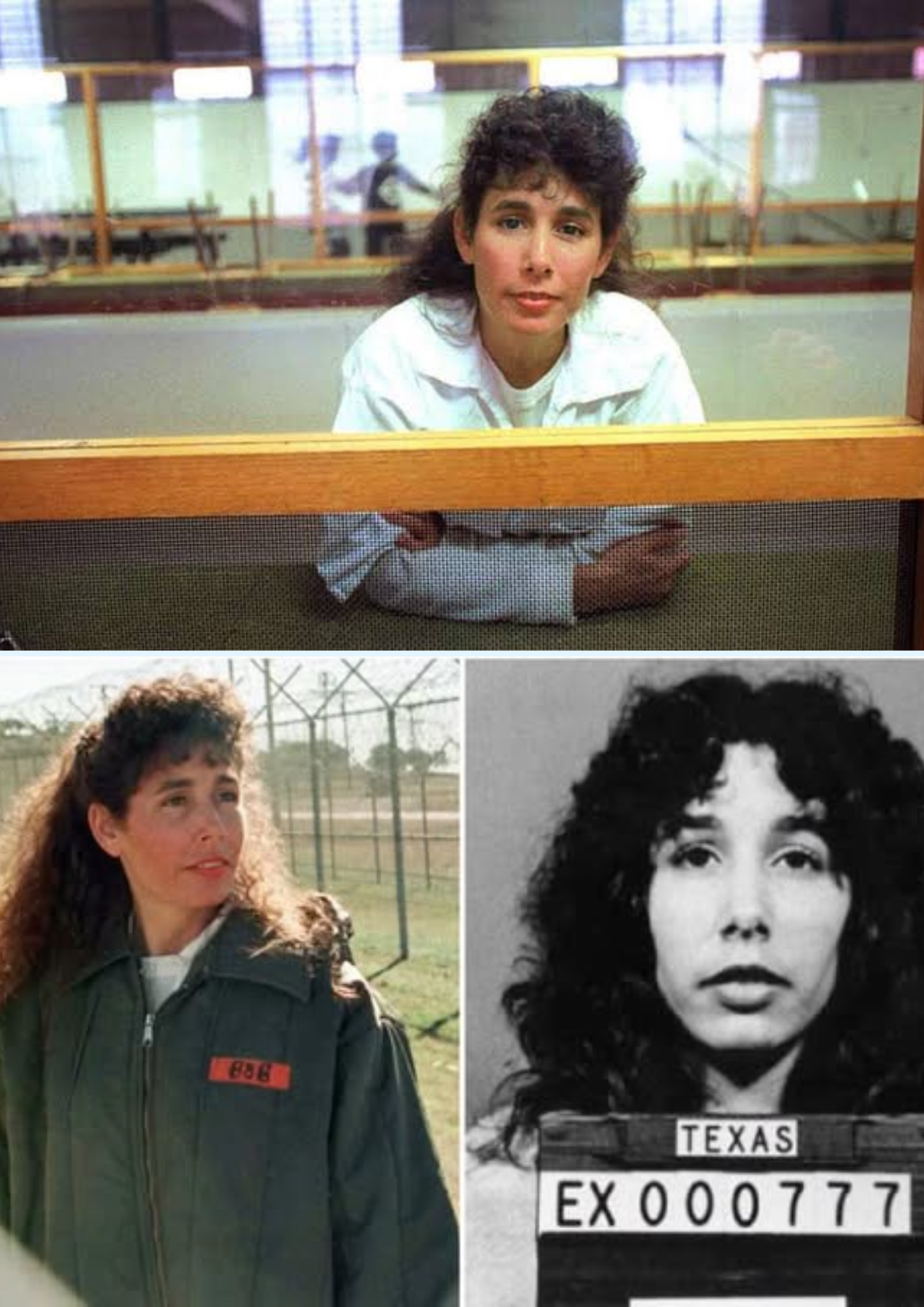
HOURS BEFORE HER EXECUTION, KARLA FAYE TUCKER HANDED TEXAS OFFICIALS A PLAN TO REFORM PRISONS
SHE KNEW SHE WAS ABOUT TO DIE — BUT HER FINAL LETTER WAS ABOUT THE PEOPLE WHO WOULD LIVE ON
Only hours before Karla Faye Tucker was scheduled to die, she handed a Texas prison official three handwritten pages.
It was not another plea for her own life.
Instead, Tucker had written a proposal for how Texas prisons could change.
She called it “A Rehabilitation Plan for Inmates.”
On February 3, 1998, Tucker was inside the Huntsville Unit awaiting execution. After nearly 14 years on death row, her final appeals had reached the courts, while supporters continued to ask Texas officials to spare her life.
But amid those final hours, Tucker turned her attention to a question that would outlive her:
What should happen to the people who remained behind prison walls?
 A THREE-PAGE PLAN WRITTEN FROM INSIDE DEATH ROW
Tucker gave the handwritten proposal to Allan Polunsky, then chairman of the Texas Board of Criminal Justice.
According to contemporary reporting, Polunsky described the letter as insightful and said he planned to share it with other members of the board.
Tucker argued that prison should do more than simply keep people locked away.
One of her central proposals was that inmates should be paid for their work, with their earnings then used to help cover the costs of food, clothing, housing and medical care, or contribute toward restitution.
Her reasoning came from her own years inside the prison system.
She believed that receiving everything without having to earn it could encourage dependency and irresponsibility.
Her proposal was an attempt to create a system in which prisoners would work, contribute and learn responsibility before potentially returning to society.
SHE WAS WRITING ABOUT A FUTURE SHE WOULD NEVER SEE
There was a striking contradiction at the heart of Tucker’s final proposal.
She was discussing rehabilitation and preparing prisoners for life after incarceration.
But she herself would never have that future.
Tucker had been sentenced to death for the 1983 murders of Jerry Dean and Deborah Thornton during a burglary at Dean’s Houston apartment.
Her case had attracted international attention, particularly after she underwent a religious conversion while incarcerated and became an outspoken advocate for rehabilitation and faith.
Supporters argued that her transformation and conduct in prison justified clemency. Others, including people connected to the victims, opposed efforts to spare her life.
 HER IDEAS WENT BEYOND SIMPLY “BEING SOFT ON CRIME”
Tucker’s proposal was not simply a call for prisoners to be treated more leniently.
She emphasized work, responsibility and consequences.
She even suggested that inmates who refused to work could face severe restrictions, including segregation and a basic “food loaf” meal.
Her proposal reflected the way she viewed prison after spending more than a decade inside it: not simply as a place of punishment, but as a system that could either prepare people to change or leave them dependent on the institution.
Whether her ideas were practical or appropriate was another question.
At the time, officials indicated that it was highly unlikely her proposals would be adopted.
THE FINAL APPEALS FAILED
While Tucker was writing about prison reform, her own legal battle was reaching its final hours.
The U.S. Supreme Court rejected her last appeals, and then-Texas Governor George W. Bush declined to stop the execution.
Bush later recalled the case as particularly difficult because of the attention surrounding Tucker’s religious conversion and claims of rehabilitation. He said that, as governor, his responsibility was to consider whether she was guilty and whether she had received full access to the courts.
Tucker’s execution went ahead at the Huntsville Unit on February 3, 1998.
She was 38 years old.
She became the first woman executed in Texas since the Civil War.
A FINAL MESSAGE ABOUT CHANGE
Tucker’s three-page document did not save her life.
It did not change the court decisions or the governor’s decision.
But it became one of the remarkable details of her final hours.
With her own execution approaching, she was thinking about people who would remain in prison long after she was gone.
Her proposal was ultimately advice for a future she would never live to see.
And perhaps that is what makes the letter so striking.
Whatever judgment people hold about Karla Faye Tucker’s crimes, the document shows what she wanted her final contribution to be: an argument that prisoners should not simply be confined, but challenged to become responsible enough to build a different life.
Hours later, Tucker was taken to the Texas death chamber.
Her life ended that evening.
The three-page plan remained behind.