SHE HAS ENDURED ENOUGH? THE LINDSAY CLANCY CASE TAKES ANOTHER TURN — AND NOW THE EVIDENCE IS BACK UNDER THE SPOTLIGHT
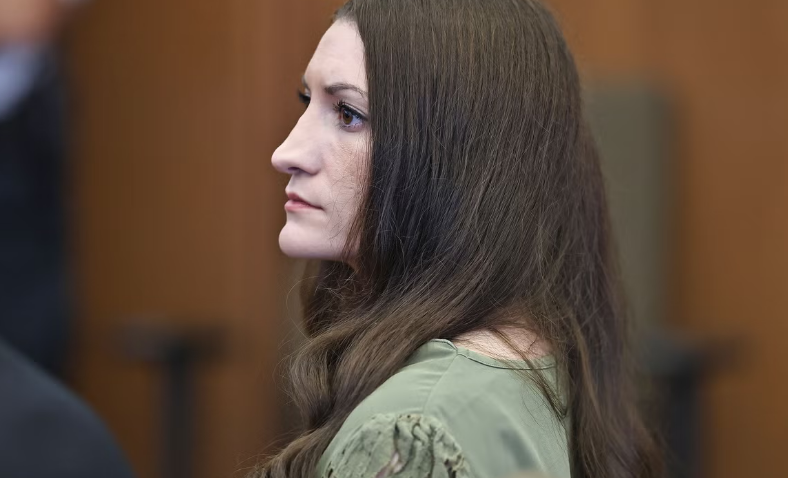
SHE HAS ENDURED ENOUGH? THE LINDSAY CLANCY CASE TAKES ANOTHER TURN — AND NOW THE EVIDENCE IS BACK UNDER THE SPOTLIGHT
For more than three years, the Lindsay Clancy case has divided public opinion.
Supporters have pointed to her severe mental-health struggles and the defense argument that she was suffering from postpartum psychosis.
Critics have focused on the evidence presented at trial and questioned whether the full picture of what happened inside the Duxbury home was being given enough weight.
Now, after nearly six weeks of testimony, the case has ended with no verdict at all.
And that distinction matters.
 THE JURY COULD NOT AGREE
On September 4, Judge William Sullivan declared a mistrial after the 12-member jury failed to reach a unanimous decision following days of deliberation.
Reports indicated the jury was split 11–1, with one juror preventing a unanimous outcome. The judge ultimately discharged the jury after concluding that further deliberations were unlikely to produce a verdict.
But a mistrial is not an acquittal.
It does not mean Lindsay Clancy was found not guilty.
And it does not establish that her defense argument was accepted.
She remains charged with three counts of first-degree murder.
 THE CENTRAL QUESTION WAS HER STATE OF MIND
There was never serious dispute during the trial over the fact that Clancy caused the deaths of her three children.
The battle was over criminal responsibility.
Her defense argued that she was experiencing postpartum psychosis and was therefore not criminally responsible for her actions.
Prosecutors presented a different interpretation, arguing that the evidence showed deliberate conduct and that Clancy understood what she was doing.
After weeks of psychiatric testimony and evidence, the jury could not reach the required unanimous conclusion.
That means the legal question remains unresolved.
SO WHAT HAPPENS NOW?
That is the question hanging over the case.
Plymouth County District Attorney Timothy Cruz has said prosecutors have not made a decision about whether to retry Clancy.
A retrial remains possible.
So does another legal resolution.
A status hearing is scheduled for September 29, when the next steps are expected to become clearer.
Until then, the public debate will almost certainly continue.
Because behind the arguments about mental illness, motherhood and criminal responsibility are three children whose deaths brought this case into the national spotlight:
Cora, 5.
Dawson, 3.
Callan, 8 months.
The jury did not decide Lindsay Clancy’s guilt or innocence.
The case is not over.
And the evidence that divided the courtroom is now back under the microscope.
What exactly did the jurors disagree about — and will prosecutors put all of that evidence before another jury?