Christa Pike Becomes First Known Death Row Inmate to Survive After Lethal Injection Drugs Were Administered

Christa Pike Becomes First Known Death Row Inmate to Survive After Lethal Injection Drugs Were Administered
NASHVILLE, Tenn. — Christa Pike has become the first known death-row inmate to survive an execution attempt after lethal-injection drugs were administered, according to the Death Penalty Information Center.
Pike, 50, received two doses of pentobarbital during Tennessee’s attempted execution at Riverbend Maximum Security Institution on Sept. 30. She remained alive after both injections and was later transported by ambulance to a hospital. Her attorneys said Thursday that she was in critical condition and receiving lifesaving medical care.
The extraordinary outcome has raised new questions about Tennessee’s lethal-injection protocol and what happened inside the execution chamber.
Two Doses of Pentobarbital Failed to Kill Pike
According to witnesses, Pike remained alive after the first injection and complained that her arm was hurting. After the second dose, witnesses could still hear her breathing and making sounds described as snoring.
Her attorney, Randy Spivey, later said Pike remained alive long after the drugs were administered and that he sought emergency medical intervention. An ambulance eventually arrived at the prison, and Pike was taken to a hospital.
The Tennessee Department of Correction has said that officials followed the state’s established execution protocol. The department confirmed that Pike was transported to an off-site medical facility but has not publicly explained why the lethal-injection procedure failed.
Pike’s attorneys have suggested that problems involving intravenous access may have played a role. They have pointed to her difficult veins and a blood disorder, arguing that the pentobarbital may not have entered her bloodstream as intended. That explanation remains an allegation from her legal team rather than an officially established cause.
Experts Describe the Case as Unprecedented
Robin Maher, executive director of the Death Penalty Information Center, described Pike’s survival as unlike previous botched executions.
The distinction is important.
Several condemned prisoners have survived failed execution attempts in the United States, but many of those cases involved problems before the lethal drugs were successfully administered. In Pike’s case, officials administered two doses of pentobarbital, yet she remained alive.
Maher said Pike appears to be the first known person to survive after execution drugs entered her body.
People reported that Maher described the incident as “the worst we’ve seen and unlike any other botched execution in the modern era.”
Tennessee Suspends Remaining 2026 Executions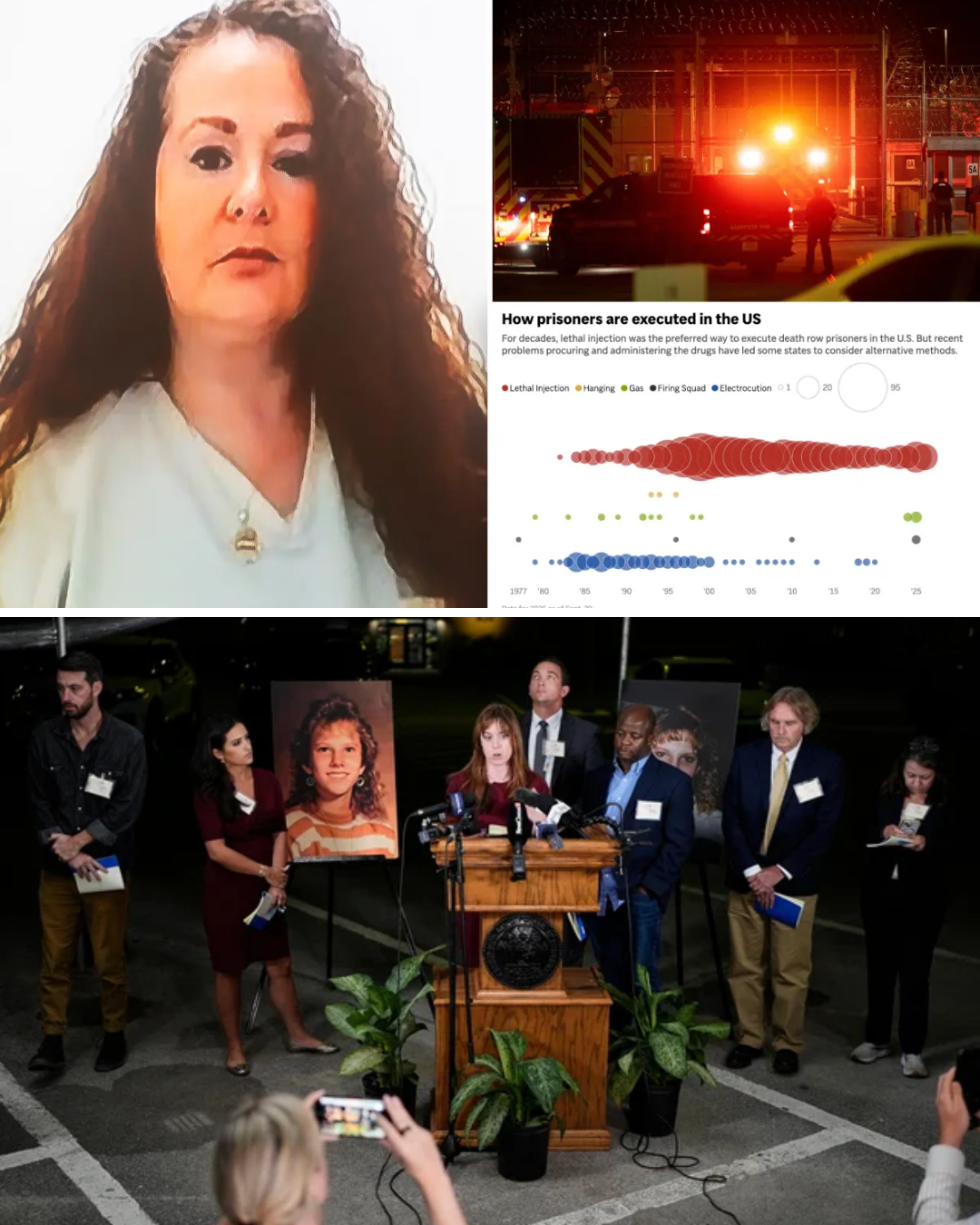
The failed execution has already triggered a major response from Tennessee officials.
Gov. Bill Lee ordered a comprehensive third-party review and suspended executions in the state for the remainder of 2026. Lee described what happened as a tragedy and said the public deserved answers about the execution process.
The incident was Tennessee’s second failed execution attempt this year. In May, officials halted the execution of Tony Carruthers after medical personnel were unable to establish the necessary intravenous access.
Pike’s case is different because the execution drugs were administered before the procedure failed.
Pike’s Death Sentence Remains in Place
Pike was sentenced to death for the 1995 murder of 19-year-old Colleen Slemmer. Pike was 18 when Slemmer was killed.
She had been scheduled to become the first woman executed by Tennessee in more than 200 years. Her execution was briefly delayed by a federal appeals court on Sept. 30 before the U.S. Supreme Court allowed the state to proceed.
The failed execution did not overturn Pike’s conviction or death sentence.
Her attorneys have called for her sentence to be commuted to life imprisonment. Tennessee has not announced a new execution date, and Pike’s immediate medical condition remains a significant unresolved issue.
For now, the case has moved beyond a question of whether Tennessee could carry out the scheduled execution. It has become a broader investigation into what happened when two doses of a lethal drug failed to end Pike’s life — and what the state will do next.