“WE WERE TOLD SHE SAVED OUR BABY’S LIFE” — FATHER CARL BOLTON DEMANDS ANSWERS AFTER LUCY LETBY INQUIRY EXPOSES YEARS OF HOSPITAL FAILURES
“WE WERE TOLD SHE SAVED OUR BABY’S LIFE” — FATHER CARL BOLTON DEMANDS ANSWERS AFTER LUCY LETBY INQUIRY EXPOSES YEARS OF HOSPITAL FAILURES
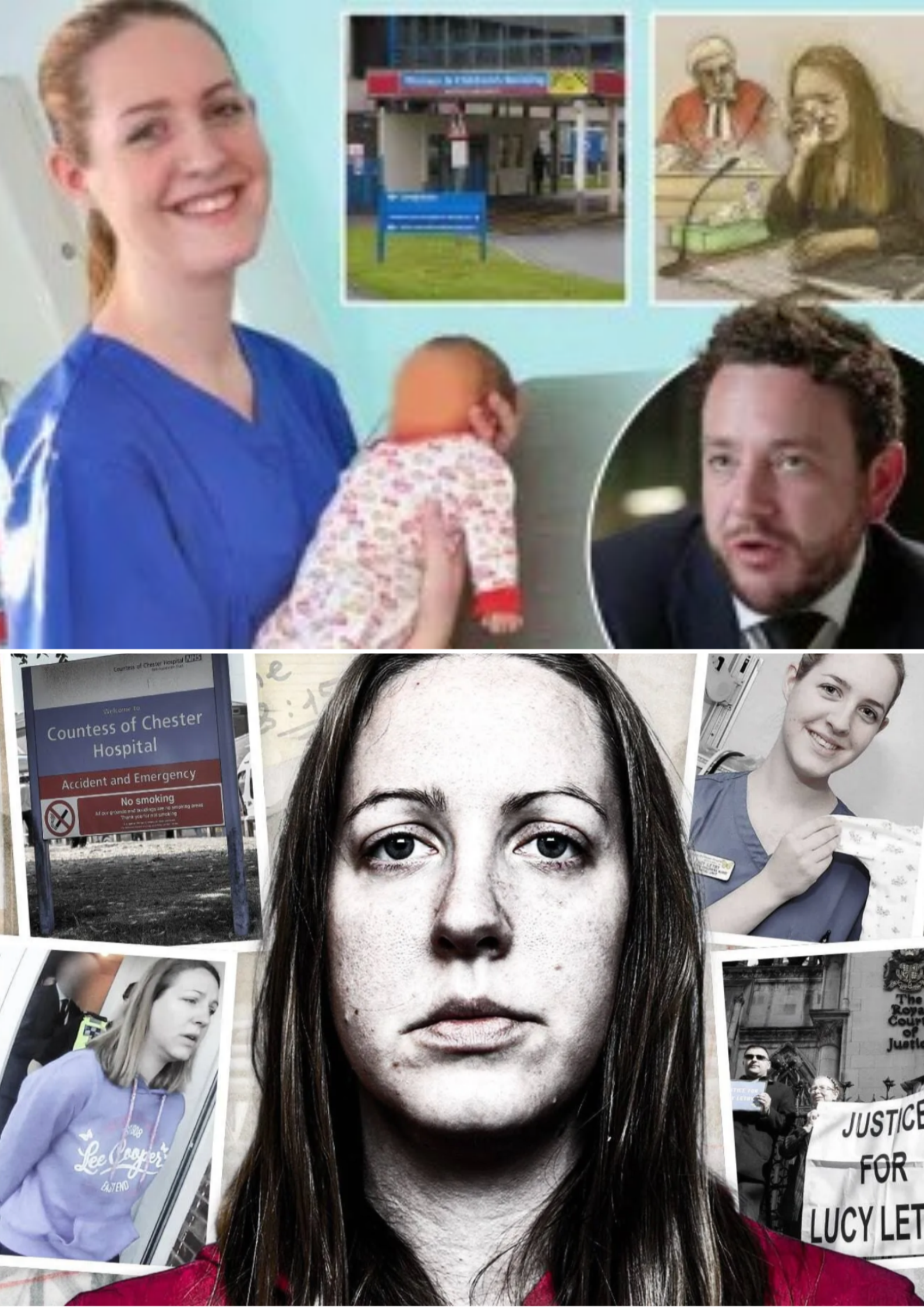
Carl Bolton says his daughter Jessica’s experience at the Countess of Chester Hospital has left his family with difficult questions. Following a major public inquiry into the hospital’s handling of concerns about former neonatal nurse Lucy Letby, he is calling for a wider investigation into what happened to other families.
CHESTER, ENGLAND — For Carl Bolton, the story of his daughter Jessica’s time in a neonatal unit is about more than one nurse or one hospital. It is about the information families were given, the questions they were left asking and whether every serious concern was properly investigated.
Bolton has spoken publicly about his daughter’s experience at the Countess of Chester Hospital, where Lucy Letby worked as a neonatal nurse. According to a report by TalkTV, Bolton says police later told his family that Letby had saved Jessica’s life twice during a single night on the neonatal unit.
Now, following the publication of the Thirlwall Inquiry’s final report in September 2026, Bolton is calling for a much broader examination of the hospital’s history and the experiences of other families.
His concerns come at a time when scrutiny of the hospital’s leadership, safeguarding procedures and response to early warnings has intensified.
 A FATHER STILL SEARCHING FOR ANSWERS
Jessica received care at the Countess of Chester Hospital, where Letby worked between 2015 and 2016.
Bolton’s account raises difficult questions about how families understood what was happening to their babies and how information about potentially serious incidents was communicated.
According to TalkTV’s reporting, Bolton says his family were told that Letby had saved Jessica’s life twice. He has since become involved in efforts to seek a wider review of events at the hospital.
It is important to distinguish his reported account from the more dramatic claims circulating online. The available reporting does not establish that police falsely assured the family Jessica was untouched by Letby, nor does it substantiate claims that internal records were deliberately suppressed to conceal her true condition.
What is documented, however, is that families affected by the hospital’s neonatal-unit failures have described being left without important information for years.
For parents whose babies received intensive medical care, learning that concerns about staff conduct had existed without their knowledge has added another layer of distress to already painful experiences.
 THE THIRLWALL INQUIRY REVEALS SERIOUS FAILURES
On September 15, 2026, the Thirlwall Inquiry published its final report into events at the Countess of Chester Hospital between 2015 and 2018.
The inquiry examined how the hospital responded to concerns about Letby, the experiences of affected families and the wider systems intended to protect vulnerable babies.
Its findings were severe.
Lady Justice Thirlwall concluded that there had been profound failures in hospital management, governance and safeguarding. The report found that the hospital had failed to protect babies adequately and that some deaths and collapses could have been avoided if safeguarding procedures had been followed.
The inquiry also found that parents were kept in the dark for years about concerns that their babies might have been deliberately harmed. Many were not told about reviews involving their children or given information at the time that could have helped them understand what had happened.
These findings have renewed questions about how the hospital handled warnings, why action was delayed and whether the needs of families were given sufficient priority.
The inquiry’s conclusions provide documented evidence of institutional failures. They do not, by themselves, prove every individual allegation being circulated online.
WHY BOLTON WANTS A WIDER INVESTIGATION
Bolton’s call for a broader review reflects a concern that the lessons from the Letby case should not be limited to the babies included in her criminal convictions.
Through his involvement with Countess of Chester Family Voices, he has supported calls for an independent examination reaching further back into the hospital’s history, reportedly covering around 25 years.
The aim is to determine whether other families experienced serious failures in care that were never adequately investigated.
Such a review would be a substantial undertaking. It would require careful examination of medical records, clinical decisions, hospital policies and the circumstances surrounding individual cases.
It would also need to distinguish between poor medical care, failures of management, unexplained medical events and criminal wrongdoing. Those are separate questions, and evidence of one does not automatically establish another.
For families seeking answers, however, the underlying concern is clear: they want to know whether their experiences were properly examined and whether important information was withheld or overlooked.
LUCY LETBY’S CONVICTIONS AND THE QUESTIONS THAT REMAIN
Letby was convicted in 2023 of murdering seven babies and attempting to murder six others. Following a retrial in 2024, she was also convicted of attempting to murder another baby. She received whole-life sentences and continues to maintain her innocence.
In January 2026, the Crown Prosecution Service announced that it would not bring further charges against her in relation to additional allegations involving other babies. In August, an independent review upheld that decision.
Those decisions did not overturn or undermine her existing convictions.
Separately, the Criminal Cases Review Commission is examining her application concerning those convictions. That process is distinct from the Thirlwall Inquiry, which investigated institutional responses and safeguarding failures rather than deciding a criminal appeal.
Keeping these processes separate is essential to understanding the case accurately.
The inquiry identified serious failures in the hospital’s response to concerns about Letby. At the same time, individual claims about Jessica’s treatment or the handling of particular records must be assessed against the evidence available for those specific events.
A FAMILY’S QUESTIONS REFLECT A MUCH BIGGER ISSUE
For Bolton and other parents, the consequences of the case extend beyond the courtroom.
Families have described learning years later that hospital staff had raised concerns, that reviews had taken place or that important information had not been communicated to them when it should have been.
The Thirlwall report criticized the way parents were treated and called for urgent changes to prevent similar failures in the future.
Its recommendations include stronger monitoring of deaths involving babies and children, clearer escalation of concerning patterns and improved safeguarding arrangements within NHS hospitals.
Cheshire Constabulary has also confirmed that Operation Duet, a separate investigation into possible corporate manslaughter and gross negligence manslaughter relating to the hospital, remains ongoing. Three former senior leaders were arrested on suspicion of gross negligence manslaughter in June 2025 and remain on bail pending further enquiries. An individual arrested in April 2026 on suspicion of perverting the course of justice also remains on bail.
These are ongoing investigations, not findings of guilt.
THE QUESTIONS THAT STILL NEED ANSWERS
Carl Bolton’s account has brought renewed attention to a central issue in the wider scandal: what families were told about their babies, what hospital staff knew at the time and whether concerns were investigated thoroughly enough.
His reported claim that police told the family Letby had saved Jessica’s life twice illustrates why communication and transparency matter so deeply to parents.
But the stronger allegations circulating online — including claims that police knowingly gave false assurances or that records were deliberately concealed — require specific evidence and should not be presented as established fact without it.
The inquiry has already documented profound failures in safeguarding and communication. Further investigations may clarify additional questions about individual decisions and the responsibilities of those involved.
For families like the Boltons, the hope is that a fuller understanding of the past will help ensure that no other parents are left searching for answers about the care their children received.
Behind every report, investigation and official finding are families whose lives were changed by what happened at the hospital. Their demand is straightforward: transparency, accountability and answers supported by evidence.