A RARE EYE CONDITION: UNDERSTANDING ZUZIA’S DIAGNOSIS AND FUTURE
A RARE EYE CONDITION: UNDERSTANDING ZUZIA’S DIAGNOSIS AND FUTURE
When parents notice subtle differences in their young child’s vision, finding answers can be a challenging journey. For little Zuzia, what began as unexplained visual behaviors led her parents through a series of medical evaluations. Specialized examinations eventually uncovered complex diagnostic results that brought clarity, yet raised new questions about her development and long-term prognosis.

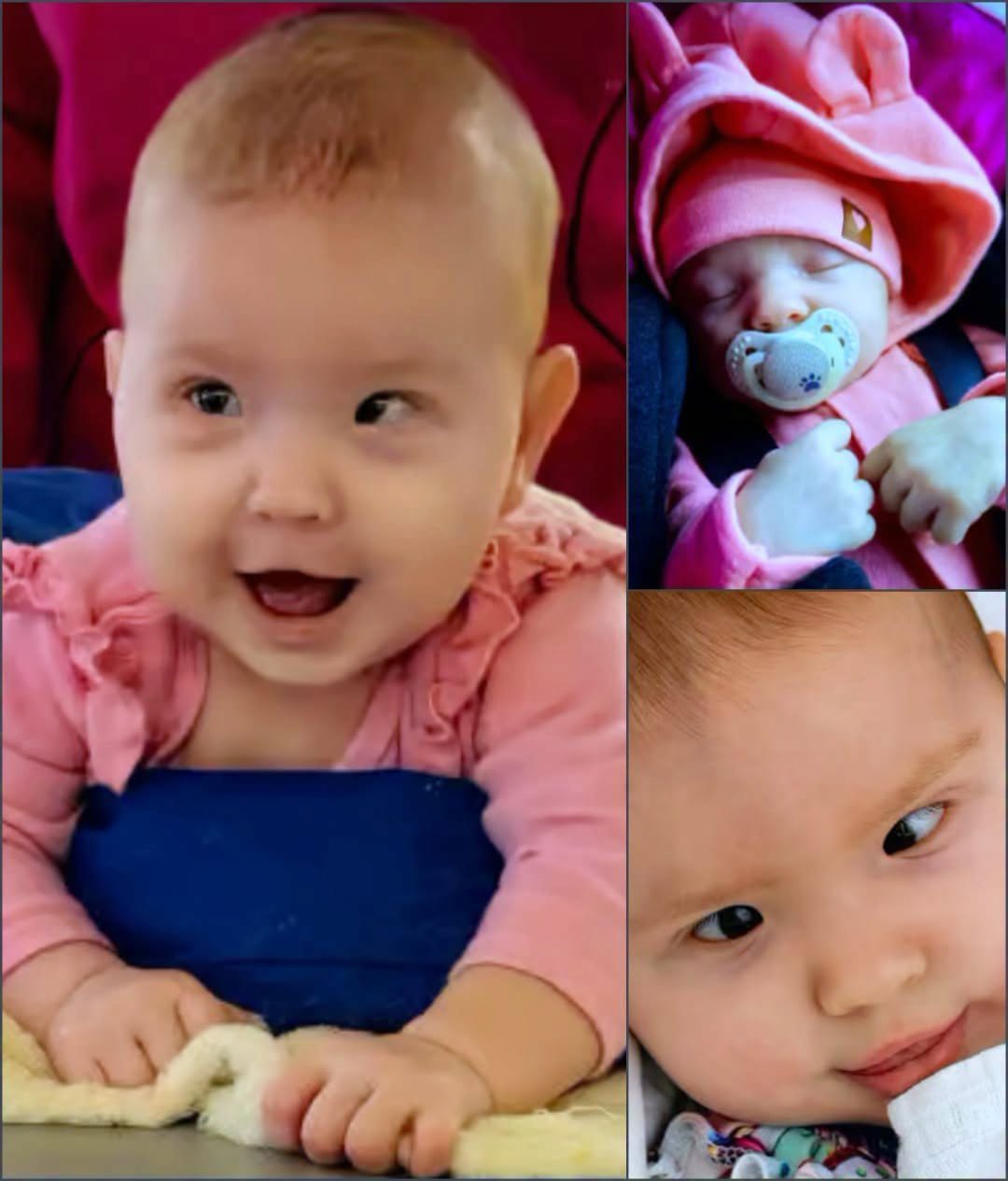
Medical specialists diagnosed Zuzia with iris coloboma and optic nerve coloboma affecting both eyes. Coloboma is a rare congenital condition occurring when key structures of the eye fail to close completely during early fetal development. An iris coloboma creates a keyhole-like appearance in the colored part of the eye, while optic nerve coloboma involves incomplete development of the optic nerve head, which transmits visual signals to the brain. In addition to coloboma, doctors identified nystagmus, a condition characterized by repetitive, involuntary eye movements that can further impact visual acuity, depth perception, and focus.

For Zuzia’s family, receiving these multi-faceted diagnoses marked a profound turning point. While having a clear medical explanation provided direction, it also brought a wave of uncertainty regarding how her vision will adapt as she grows. Navigating rare ocular conditions requires ongoing monitoring, specialized supportive therapies, and early interventions tailored to help her explore the world safely and confidently.