Nolan Wells Case Takes Another Turn as His Friends Raise More Than $120,000 for Legal Defense
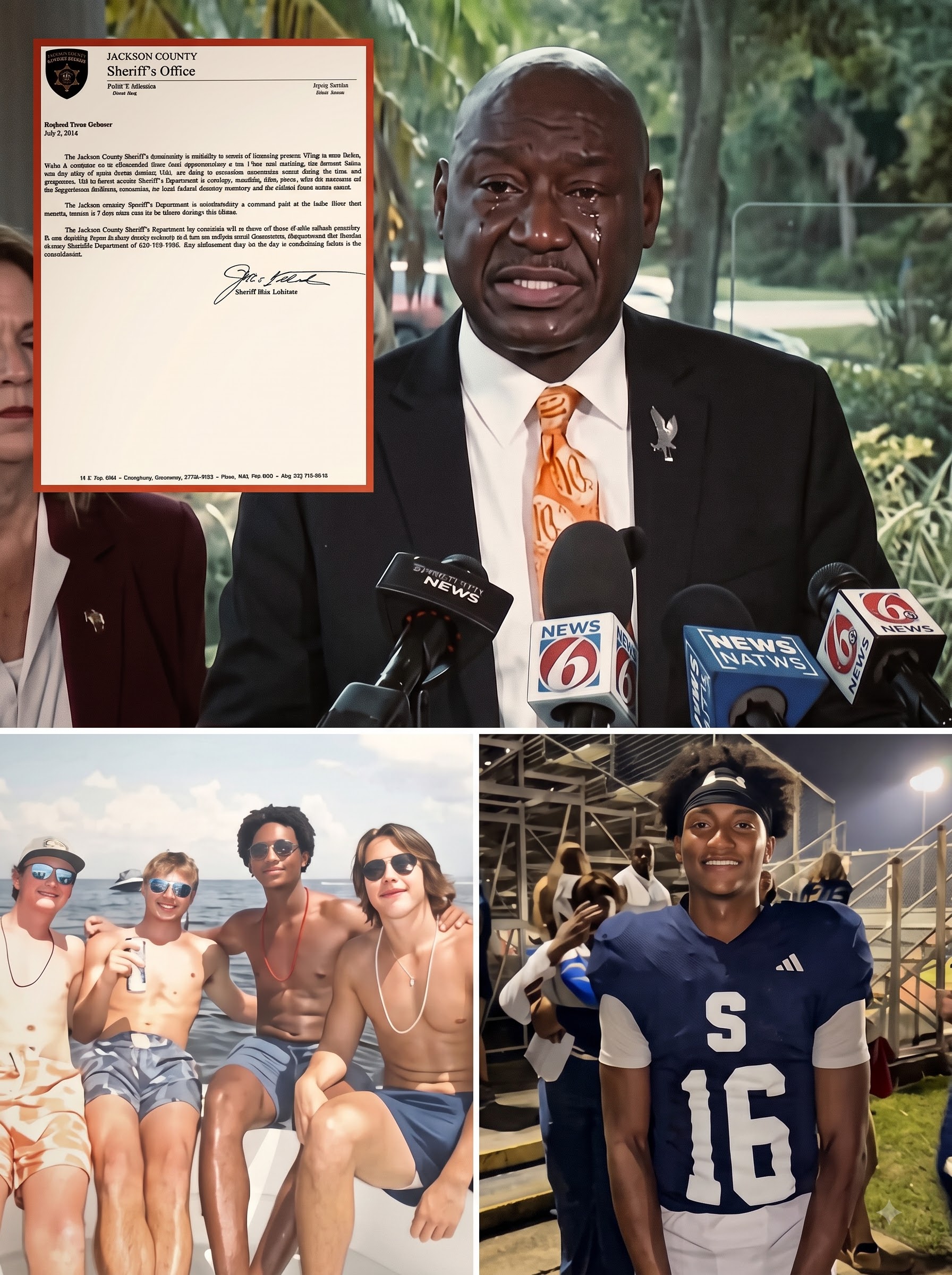
Nolan Wells Case Takes Another Turn as His Friends Raise More Than $120,000 for Legal Defense
As questions surrounding the 18-year-old’s death continue to divide the public, three of his friends are preparing for a legal battle of their own — and a growing fundraiser is bringing new attention to the case.
More than three months after Nolan Wells disappeared during a Fourth of July outing in Mississippi, the legal fallout surrounding his death continues to grow.
A fundraising campaign created to support three of the young men who were with Wells before he disappeared has reportedly raised more than $120,000, according to a report published October 10.
The money is intended to help Warren Hudson, Jax Pitalo, and Morgan Seymour cover legal expenses as they face continued public scrutiny and prepare for potential litigation.
But the fundraiser is emerging amid a deeply complicated case: Wells’ family is still seeking answers about how the 18-year-old died, while his friends say they have been unfairly accused and targeted online.
And now, the dispute has moved beyond social media.
Why Are Nolan Wells’ Friends Raising Money?
The GiveSendGo fundraiser was organized by Benjamin Hudson, the father of Warren Hudson, one of the three young men named in the campaign.
According to the organizers, the money will help pay for legal representation, defend against potential claims, and pursue defamation lawsuits over statements they believe have damaged the young men’s reputations.
The organizers say the three have faced harassment, threats, and accusations since Wells’ death became a national story.
They maintain that public speculation has gone beyond asking legitimate questions and has exposed the young men and their families to serious personal consequences.
The fundraiser is intended to help them respond through legal channels rather than engage in an escalating online battle.
However, the campaign reflects the position of its organizers. The amount raised does not establish the truth of competing claims about Wells’ death, nor does it determine whether any future lawsuit will succeed.
A Death That Left a Family Searching for Answers
Wells, an 18-year-old college student and athlete from Mississippi, disappeared during a Fourth of July gathering on Horn Island.
He was reported missing on July 4, 2026. His body was discovered near the island two days later.
The circumstances surrounding his final hours prompted questions from his family and attracted widespread attention online.
His parents have continued to seek a thorough and transparent explanation of what happened. Their concerns have included forensic findings and details they believe deserve further examination.
Both the state and an independent pathologist reportedly listed the cause and manner of death as undetermined. A Mississippi grand jury later declined to indict anyone in connection with the death.
The grand jury’s decision did not provide the family with every answer they were seeking, and they have continued to call for further scrutiny.
It is important to distinguish those unresolved questions from allegations against individual friends. No one should be treated as guilty based solely on online speculation.
The Legal Dispute Has Already Reached Federal Court
The fundraising campaign comes as the three friends pursue legal action over public statements about their alleged involvement.
In early October, the young men filed a federal defamation lawsuit against former NFL star Terrell Owens.
According to the Associated Press, the lawsuit alleges that Owens harmed their reputations by publicly demanding their arrest and sharing a video that suggested they were involved in Wells’ death.
The three friends deny wrongdoing. Their allegations against Owens are claims made in a lawsuit, not a final court ruling.
The case highlights the risks that can arise when unverified theories about a high-profile death spread rapidly online. Public figures and social media users can call for answers, but accusations directed at identifiable individuals can also carry legal consequences.
The friends have indicated that they may pursue additional claims against other public figures who commented on the case.
Those potential actions remain separate from the investigation into Wells’ death itself.
Two Sides, One Unresolved Tragedy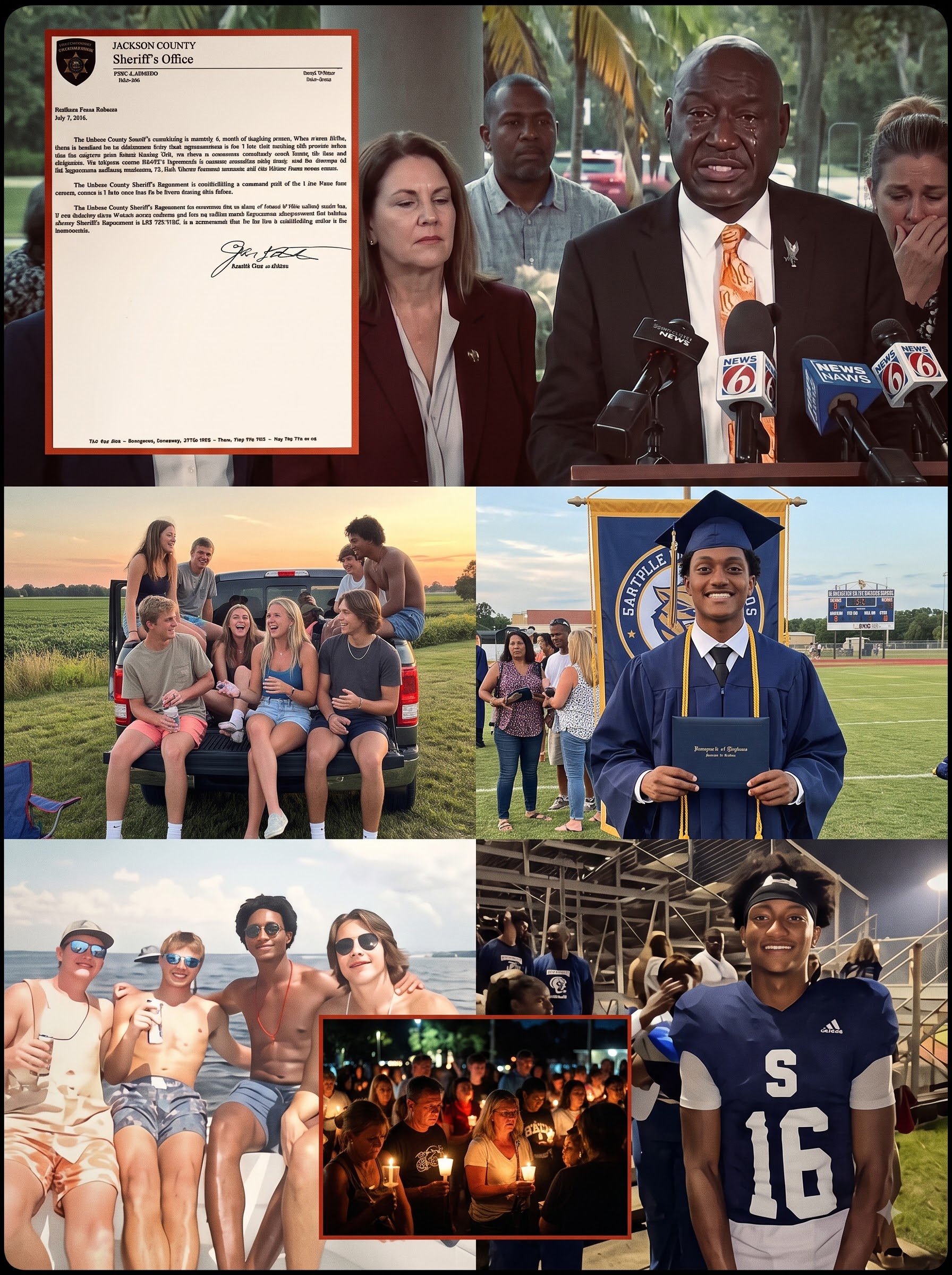
The dispute has created an increasingly painful divide.
Wells’ family wants answers about the loss of their son. His friends say they have been subjected to accusations and threats despite the grand jury’s decision not to recommend charges.
Both developments have become part of a wider public argument about evidence, accountability, and the consequences of making claims before all the facts are established.
For Wells’ family, the central question remains what happened during the final hours of his life.
For the three friends, the immediate concern is how to respond to the allegations and public attention surrounding them.
The fundraising campaign is designed to support the latter effort. It does not resolve the former.
Nor does a decision not to indict establish every detail of what happened. It means the grand jury did not recommend criminal charges based on the evidence presented to it.
What Happens to the Money Raised?
The organizers say the funds will support legal defense and potential defamation litigation.
That could include attorney fees, reviewing evidence, preserving records, and pursuing claims through the courts if the legal team determines that action is warranted.
The reported $120,000 milestone reflects the scale of public interest in the dispute, but fundraising totals can change over time. The amount reported on October 10 should not be mistaken for a final accounting of how much has been received or spent.
Meanwhile, the Wells family’s efforts to seek answers continue separately.
The competing legal efforts could bring more documents, claims, and responses into public view. But only evidence presented and evaluated through appropriate legal processes can help resolve the disputed issues.
The Questions That Still Remain
Nolan Wells was 18 when his life ended. His death has left his family grieving, his community searching for answers, and his friends caught in a controversy that has expanded far beyond the original investigation.
The fundraiser shows how the case is now generating significant legal costs on more than one side of the public dispute.
Yet money raised, lawsuits filed, and social media reactions cannot substitute for reliable evidence.
The investigation’s unresolved questions remain central, even as the legal conflict surrounding the people connected to Wells continues to intensify.
More than $120,000 has reportedly been raised to help three of Nolan Wells’ friends prepare for a legal fight. But the biggest question remains unanswered: Will the ongoing investigations and court proceedings bring greater clarity to what happened to Nolan — and provide his family with the answers they have been seeking?