TWO DOSES — BUT CHRISTa PIKE SURVIVED: QUESTIONS GROW AFTER TENNESSEE’S FAILED EXECUTION
TWO DOSES — BUT CHRISTa PIKE SURVIVED: QUESTIONS GROW AFTER TENNESSEE’S FAILED EXECUTION
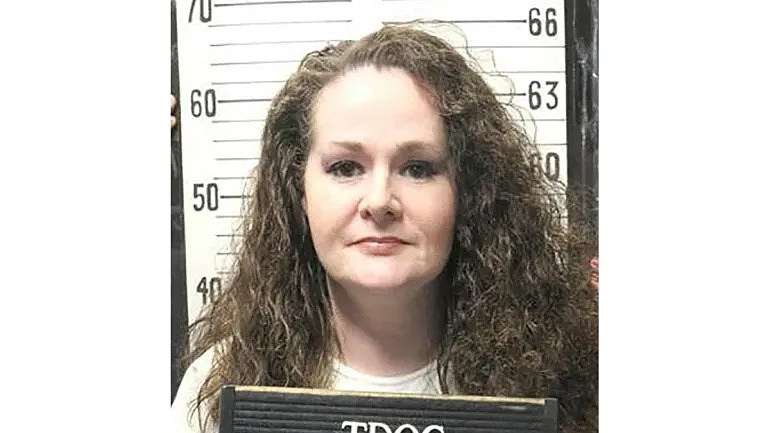
She was facing a historic execution when the procedure went terribly wrong. Now, severe injuries, newly released emergency calls and a court order to preserve evidence have intensified questions about what happened inside the execution chamber.
NASHVILLE, TENNESSEE — Christa Pike was expected to become the first woman executed by Tennessee in more than two centuries. Instead, the September 30, 2026, procedure ended with the 50-year-old inmate still alive and in need of emergency medical treatment.
State officials administered two doses of pentobarbital, the drug specified in Tennessee’s lethal-injection protocol. Yet witnesses reported that Pike continued breathing and making snoring sounds, even as the process continued for more than an hour. Her attorneys later said she was taken to hospital with both arms swollen, burned and blistered.
The incident has prompted an investigation, renewed scrutiny of the state’s execution procedures and difficult questions about how the drugs were administered—and why the attempt did not have its intended result.
 WHAT WITNESSES REPORTED INSIDE THE CHAMBER
Pike’s execution was scheduled for September 30 at Riverbend Maximum Security Institution in Nashville. She had been sentenced to death for the 1995 killing of her classmate, Colleen Slemmer.
According to witness accounts reported by news organisations, Pike remained visibly alive after the first dose and continued breathing after the second. Some witnesses described hearing snoring sounds and seeing movement during the procedure.
Her attorneys subsequently challenged the state’s handling of the execution, arguing that the events raised serious questions about whether the established protocol had been followed correctly.
Tennessee officials have maintained that the execution team followed the state’s procedures. However, the precise sequence of events and the reasons for the failure remain subjects of scrutiny.
 HER INJURED ARMS BECAME A MAJOR CONCERN
One of the most troubling aspects of the case involves the condition of Pike’s arms.
Her legal team reported that she arrived at hospital with both arms swollen, burned and blistered. Attorney Randy Spivey also described seeing Pike’s arm change colour during the procedure.
The defence has raised concerns about repeated attempts to establish intravenous access. According to reporting based on statements from her legal team, the attorney observed multiple needle attempts in Pike’s left arm.
An explanation being examined is whether one or more IV lines failed, allowing some of the drug to enter surrounding tissue rather than being delivered effectively into the bloodstream. An anesthesiologist consulted by the defence told People magazine that a problem with the IV catheter could explain the injuries and the failure of the procedure.
That remains a possible explanation—not a final finding. The available public information does not establish exactly how much of the medication entered Pike’s bloodstream or conclusively identify the cause of the failed execution.
EMERGENCY HELP WAS ALSO DELAYED
The questions did not end when the execution was halted.
Recordings of 911 calls released in October revealed confusion over an emergency reported at the prison. The initial call, made at approximately 8:40 p.m., reportedly could not be verified using the required emergency code. The call was initially treated as potentially false, delaying the response.
Pike’s attorney Kelly Gleason then contacted emergency dispatchers directly and stressed that Pike remained alive and needed urgent medical care. The emergency was reportedly verified at approximately 9:11 p.m., more than 30 minutes after the first call.
The recordings have raised further questions about communication between prison personnel and emergency services, as well as the procedures for responding when an execution does not proceed as expected.
FROM UNCONSCIOUSNESS TO SPEAKING AGAIN
Following the failed attempt, Pike was hospitalised in critical condition, placed on a ventilator and left unconscious.
On October 5, her attorney was reportedly told that she had been declared brain-dead and that life support was expected to be withdrawn. The following day, however, Pike regained consciousness and began speaking, according to her lawyers.
Her legal team described her recovery as medically unprecedented, while cautioning that her prognosis remained uncertain. Reports also described continuing medical complications, including pneumonia and a blood clot.
Her return to consciousness brought a new dimension to the case: Pike could potentially provide her own account of what she remembers from the procedure, although the extent and reliability of those memories have not been fully established publicly.
A JUDGE ORDERS EVIDENCE PRESERVED
On October 7, a Tennessee judge ordered state officials to preserve evidence connected to the failed execution.
The order covered drugs, syringes, IV lines and other medical equipment, alongside photographs, recordings, witness accounts, emails and documents relating to possible complications or delays.
The preservation order is significant because those materials may help investigators establish what happened during the procedure and determine whether the state’s protocol was followed.
Tennessee Governor Bill Lee suspended executions for the remainder of 2026 and ordered an independent review. The state’s prison chief also resigned following the incident. Neither the review nor the available public evidence has yet provided a definitive explanation for why the procedure failed.
SO, WHY DID TWO DOSES FAIL?
For now, there is no conclusive public answer.
The defence’s concern about IV access and the possibility that medication entered surrounding tissue is one explanation under examination. The injuries to Pike’s arms and the reported difficulties during the procedure have added urgency to calls for a thorough investigation.
But the precise role of the drug, the IV lines and the execution team’s actions must be established through evidence rather than assumption. Tennessee’s review and the preserved medical and procedural records may help clarify those questions.
The case has also renewed a wider debate about the reliability, oversight and transparency of lethal-injection procedures in the United States.
For Christa Pike, the immediate issue is her recovery after a procedure that was intended to end her life but left her critically ill. For investigators, the challenge is to determine exactly what went wrong—and whether the available evidence can provide a clear account of what happened behind the closed curtain.
Sources
- Reuters — Tennessee death row inmate Christa Pike survives execution attempt
- The Washington Post — Confusion delayed aid to Christa Pike after failed execution, 911 calls show
- Associated Press coverage via Los Angeles Times — Christa Pike is angry and confused after surviving execution
- Death Penalty Information Center — Court orders evidence preserved after failed execution
- People — Expert discusses the possibility of drug leakage into Pike’s arms