Christa Pike Survived Tennessee’s Failed Execution. Now, Questions About the Emergency Response Are Growing
Christa Pike Survived Tennessee’s Failed Execution. Now, Questions About the Emergency Response Are Growing
SEO Title: Christa Pike’s Failed Execution Raises New Questions in Tennessee
Meta Description: Christa Pike survived Tennessee’s September 30 execution attempt and returned to prison. Reported emergency-response delays are adding to scrutiny of the case.
NASHVILLE, TENNESSEE — Christa Pike was scheduled to die by lethal injection on September 30. Instead, she survived the execution attempt, was rushed into medical care and eventually returned to prison.
Now, the questions surrounding her case extend beyond why the execution failed.
Newly reported details about the emergency response are drawing attention to what happened after officials realized Pike was still alive — and whether help was requested and dispatched without unnecessary delay.
According to an Associated Press report cited in coverage of the incident, 911 recordings revealed confusion over an emergency request following the failed execution. The reported timeline has added another layer of scrutiny to an already extraordinary case.
A Failed Execution Followed by a Medical Emergency
Pike, 50, was scheduled to be executed for the 1995 murder of her classmate, 19-year-old Colleen Slemmer.
On September 30, Tennessee attempted to carry out the sentence using lethal injection. According to reports, Pike received two doses of pentobarbital but remained alive and required emergency medical treatment.
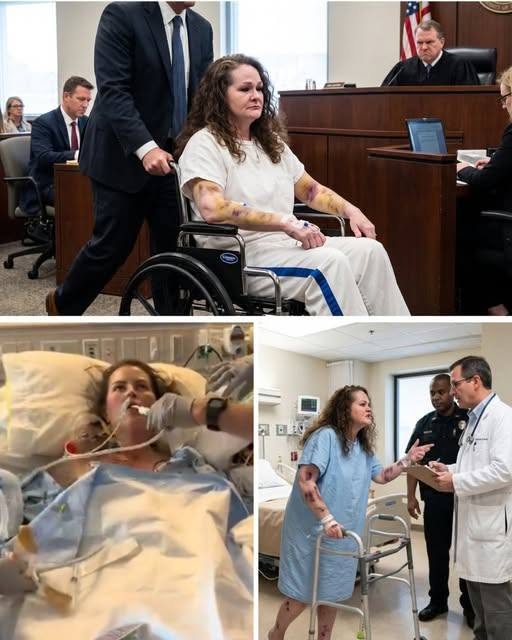
Her condition was serious enough that she was hospitalized and placed on a ventilator. At one point, her attorneys expressed concern that she might not survive.
But her condition later improved.
Pike regained consciousness, began speaking and reportedly progressed to walking with assistance and eating a regular diet. Her attorneys also described continuing physical problems, including injuries around the injection sites, as well as concerns about her memory and concentration.
Her recovery marked a significant change from the initial medical crisis. However, the full extent of any lasting injuries remained uncertain.
On October 10, Pike was discharged from the hospital and returned to the Debra K. Johnson Rehabilitation Center in Nashville, where she continues to serve her sentence.
911 Recordings Raise Questions About the Response
The controversy took another turn when the Associated Press reported on October 12 that recordings of emergency calls revealed confusion surrounding a request for medical assistance after the execution attempt.
According to the reported timeline, the first call was made at approximately 8:40 p.m. on September 30. Dispatchers reportedly struggled to verify the request, and one dispatcher later indicated that the call had been treated as false.
Officials reportedly confirmed that the request was legitimate at around 9:11 p.m.
The reported interval has prompted further questions about how the emergency was communicated and handled.
However, the recordings alone do not establish why the request was initially questioned, whether any individual violated protocol or whether the reported delay affected Pike’s medical outcome. Those questions require a careful examination of the available evidence.
The distinction matters. A troubling timeline can justify scrutiny without, by itself, proving misconduct.
Attorneys Question How the Execution Was Carried Out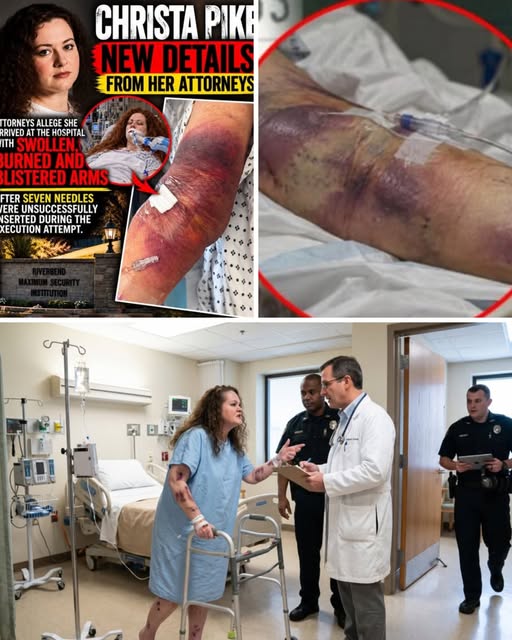
The emergency-response concerns are unfolding alongside a separate dispute over the execution procedure itself.
Pike’s attorneys have raised questions about the intravenous lines used to administer the lethal-injection drugs. They have alleged that problems with IV placement may have interfered with the delivery of the medication.
Those allegations have not been established as official findings.
Tennessee officials have maintained that the execution protocol was followed, while the state has ordered an independent review of the incident.
A judge has also ordered the preservation of evidence connected to the execution, including drugs, IV equipment, medical supplies, recordings and written or electronic communications.
That material could prove important as investigators and attorneys attempt to reconstruct what happened inside the execution facility.
The central questions remain: Were the drugs administered as intended? What medical complications occurred? And did the response after the procedure meet the standards required for an emergency of this nature?
Until the evidence is examined, definitive conclusions would be premature.
What Happens to Christa Pike’s Death Sentence Now?
Pike’s survival has not automatically overturned her conviction or death sentence.
Her attorneys are seeking clemency from Tennessee Governor Bill Lee, asking that her sentence be commuted to life imprisonment without the possibility of parole.
Meanwhile, the state’s response to the failed execution could have implications beyond Pike’s individual case. The incident has renewed scrutiny of lethal-injection procedures, medical safeguards and the transparency surrounding executions.
As of the latest reports cited in the coverage, no new execution date for Pike had been announced. The state’s review and the legal proceedings may help determine what happens next.
For now, Pike remains incarcerated while continuing her recovery and her attorneys pursue answers about the September 30 incident.
The Questions Tennessee Still Needs to Answer
Christa Pike’s case now involves two distinct but related issues: the failure to complete the execution and the emergency response that followed.
Both deserve examination based on reliable evidence, documented timelines and clear explanations from the authorities involved.
The reported 911 confusion has intensified public interest, but it does not yet settle the question of responsibility. Likewise, the allegations concerning IV placement remain allegations until supported by established findings.
What is clear is that the failed execution has created a situation that Tennessee cannot resolve simply by returning Pike to prison.
Why did the execution fail, what happened during the emergency response, and what will the state’s review ultimately reveal?
Those are the questions at the center of the growing legal and public scrutiny surrounding Christa Pike’s case.