MARTIN FRIZELL’S HEARTBREAKING UPDATE ON WIFE FIONA PHILLIPS’ ALZHEIMER’S BATTLE: “DAY BY DAY, WE CAN SEE IT SLIPPING AWAY”
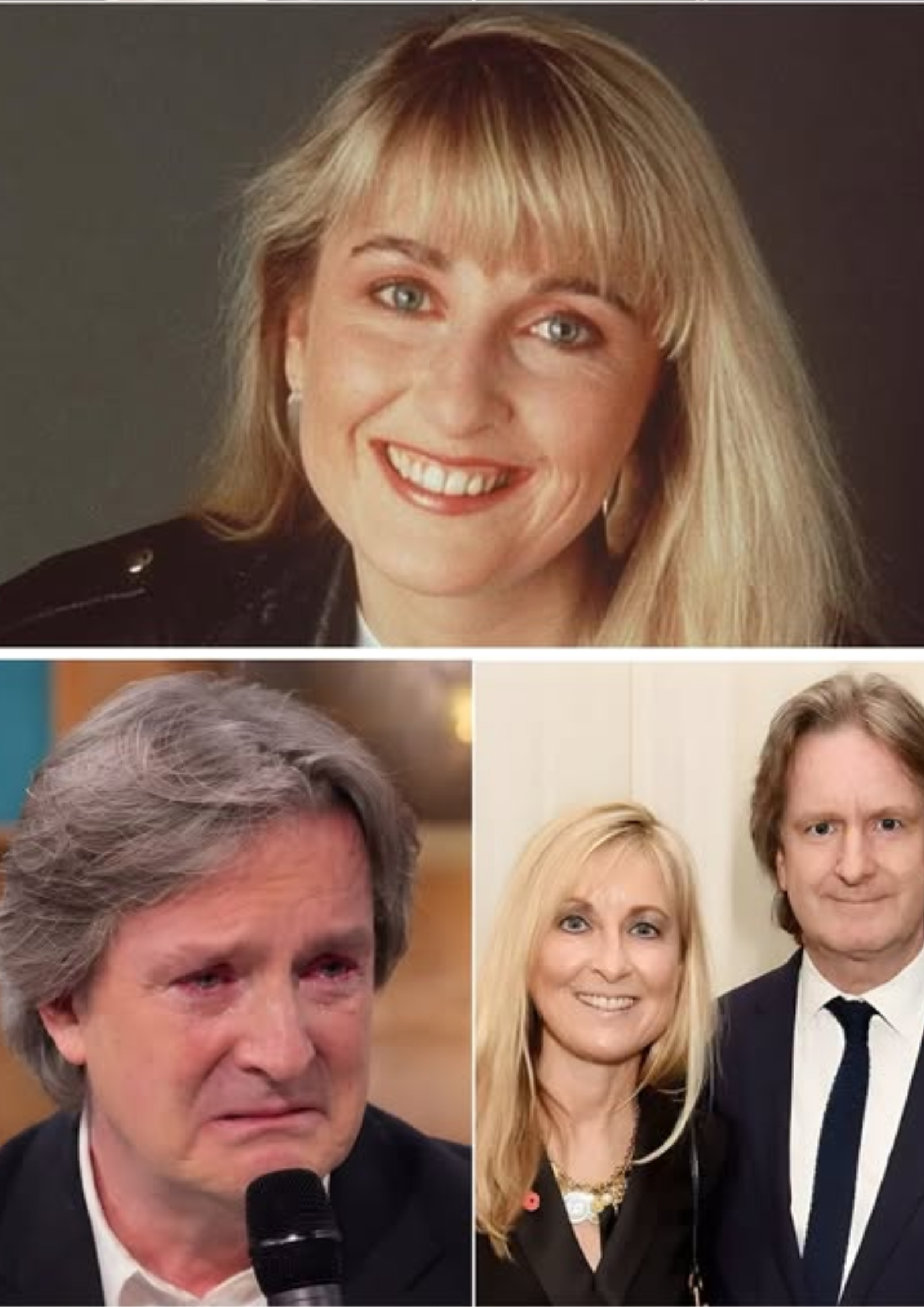
MARTIN FRIZELL’S HEARTBREAKING UPDATE ON WIFE FIONA PHILLIPS’ ALZHEIMER’S BATTLE: “DAY BY DAY, WE CAN SEE IT SLIPPING AWAY”
The former GMTV presenter’s husband has opened up about the painful reality of watching the woman he has loved for decades live with early-onset Alzheimer’s disease, revealing how the condition has affected her memory and their family.
For television viewers who remember Fiona Phillips as one of the familiar faces of British breakfast television, the latest updates about her health have been deeply emotional.
The former GMTV presenter was diagnosed with early-onset Alzheimer’s disease in 2022, when she was just 61. She publicly revealed the diagnosis in July 2023, explaining that symptoms including brain fog and anxiety had initially led her to believe she might be experiencing menopause.
Now, her husband, television producer Martin Frizell, has spoken candidly about the progression of her condition and the emotional toll it has taken on their family.
 A PAINFUL UPDATE FROM HER HUSBAND
In an interview on ITV’s Lorraine in February 2026, Frizell described the heartbreaking changes he had witnessed in his wife’s memory.
He explained that Fiona no longer remembered important occasions, including Christmas, New Year and Valentine’s Day.
“It’s wretched; not just for her but for the family as well,” he said, describing the difficulty of watching someone he had known for so many years gradually change.
Frizell also spoke about the emotional challenge of caring for his wife while trying to maintain his own well-being. He admitted that he had to guard against slipping into depression as he confronted the realities of the disease.
Despite these difficulties, he stressed that Fiona was still very much present in their lives. He continued to recognise the determination and personality that had long defined her, describing her as the same stubborn woman he had always known.
His message reflected the complicated reality of Alzheimer’s: a person may remain physically present and retain aspects of their familiar personality while experiencing increasing difficulties with memory and recognition.
 WHY FIONA’S FAMILY HISTORY HAS MADE THE DIAGNOSIS SO DIFFICULT
For Fiona, the diagnosis carried an especially painful personal significance.
Alzheimer’s had already affected several members of her family. Her mother, father, uncle and grandparents had all experienced the disease, making her own diagnosis a devastating development.
Fiona had previously spoken about the anger and sadness she felt after learning that the illness affecting her family had also reached her.
Because of this history, the possibility of developing Alzheimer’s had been a concern long before her diagnosis. However, the family history does not mean that every relative will necessarily inherit the condition.
In a February 2026 interview on Good Morning Britain, Frizell said that testing indicated Fiona’s condition was not genetic, although her family history may have made her more predisposed to developing it.
This distinction is important: the available reporting does not support describing Fiona’s illness as definitively hereditary.
FROM BRAIN FOG TO A LIFE-CHANGING DIAGNOSIS
Before receiving the diagnosis, Fiona experienced symptoms that she initially attributed to menopause.
The uncertainty continued until doctors confirmed in early 2022 that she had early-onset Alzheimer’s disease. She later chose to make the diagnosis public, hoping that sharing her experience would help other families recognise the condition and understand its effects.
Alzheimer’s is a progressive disease that affects memory, thinking and other cognitive abilities. Early-onset Alzheimer’s refers to cases in which symptoms begin before the age of 65.
Although there is currently no cure, medical research continues to investigate treatments that may help slow the disease or improve the lives of those affected.
Fiona’s experience has also highlighted that Alzheimer’s is not exclusively a condition of old age. Younger people can develop it, and the effects can extend far beyond memory loss, affecting relationships, independence and everyday routines.
A MEMOIR THAT SHARES THE FAMILY’S PRIVATE STRUGGLE
In 2025, Fiona published Remember When: My Life with Alzheimer’s, documenting her experiences with the disease with assistance from her husband and collaborator Alison Phillips.
The book offers an intimate account of the changes that preceded her diagnosis, the confusion surrounding her early symptoms and the impact of the illness on her family.
Frizell has also described the emotional complexity of communicating with someone living with Alzheimer’s. In previous interviews, he discussed moments when Fiona struggled to recognise him as her husband and explained how difficult it could be to respond to such situations.
His accounts have helped bring attention to the often unseen challenges faced by family caregivers, who must navigate grief, uncertainty and practical responsibilities while continuing to support someone they love.
MARTIN CALLS FOR GREATER SUPPORT AND RESEARCH
Beyond sharing his family’s experience, Frizell has urged the government to provide greater support for Alzheimer’s research and dementia care.
In February 2026, he criticised what he saw as insufficient investment in treatments and support for people living with dementia.
His concern reflects a wider challenge facing families: while medical advances continue, people affected by Alzheimer’s still need access to diagnosis, appropriate care, practical assistance and support for those looking after them.
For Frizell and Fiona’s loved ones, these issues are not abstract policy questions. They are part of the daily reality of living with a progressive condition.
A FAMILY TAKING EACH DAY AS IT COMES
Fiona and Martin married in 1997 and have two sons, Nathaniel and Mackenzie. Throughout her career, Fiona became a familiar face to British audiences, particularly through her years presenting GMTV.
Today, their lives look very different from the years when she appeared regularly on television. Yet Frizell has continued to share moments that show Fiona enjoying ordinary parts of life, including time at home with her family.
His public comments have conveyed both the pain of watching Alzheimer’s progress and the importance of recognising the person behind the diagnosis.
Although social media claims have suggested that Frizell has just received new medical test results and is confronting a fresh medical crisis, no reliable report has confirmed those specific allegations.
What has been documented is already deeply moving: a family navigating the uncertainty of Alzheimer’s while trying to preserve connection, dignity and moments of happiness.
For Fiona and Martin, the journey continues one day at a time — with the hope that greater awareness, better support and continued research will make a difference for other families facing the same disease.