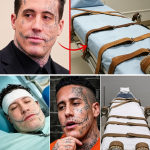
“SHE SURVIVED THE EXECUTION ATTEMPT — BUT WHAT HAPPENED TO HER ARMS?” CHRISTA PIKE’S HARROWING ORDEAL RAISES NEW QUESTIONS
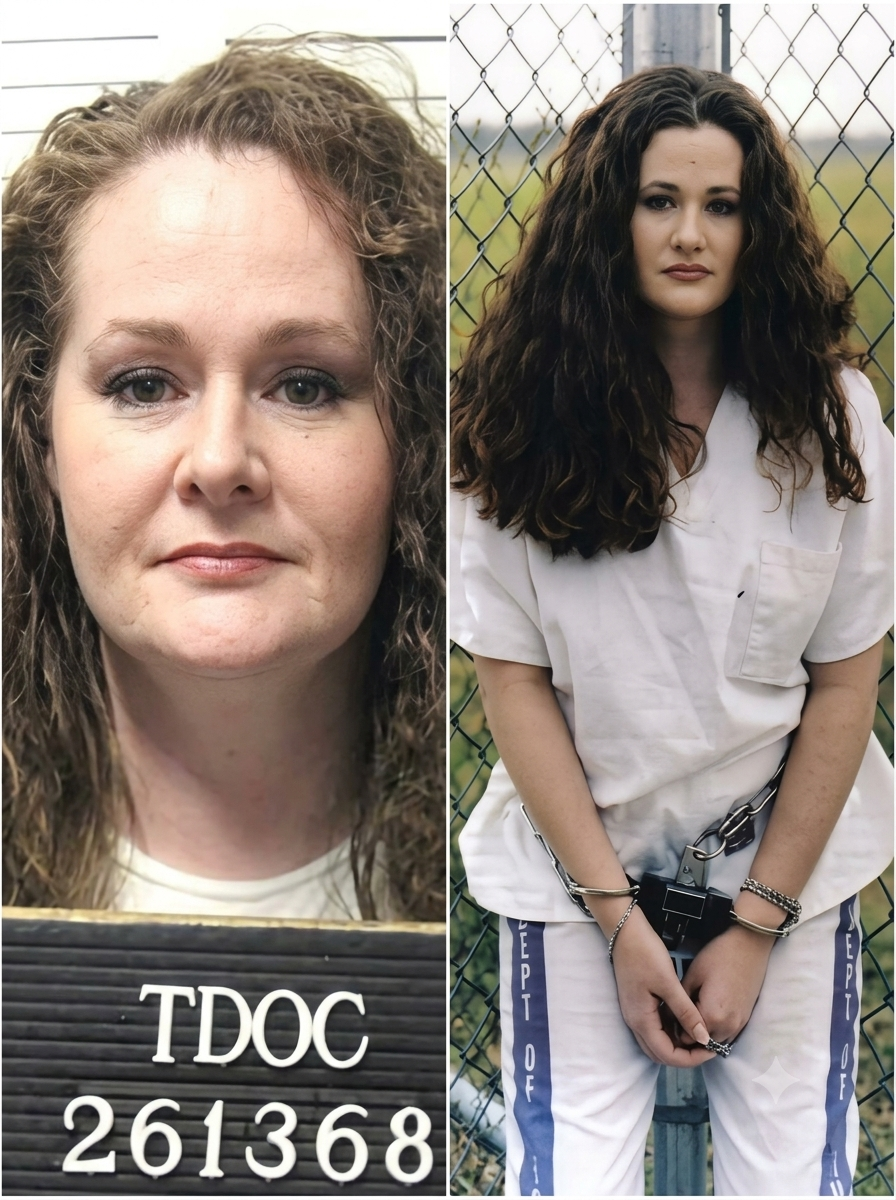
“SHE SURVIVED THE EXECUTION ATTEMPT — BUT WHAT HAPPENED TO HER ARMS?” CHRISTA PIKE’S HARROWING ORDEAL RAISES NEW QUESTIONS
After two failed doses of lethal-injection drugs, Christa Pike was rushed to hospital with severe injuries to both arms. Her attorneys say the long-term effects remain uncertain, as questions surrounding Tennessee’s failed execution continue.
Christa Pike was supposed to be executed on September 30, 2026. Instead, the 50-year-old Tennessee death-row prisoner survived an unprecedented ordeal that left her critically ill and facing a long recovery.
According to court filings from her attorneys, repeated attempts to establish intravenous access during the execution caused serious complications. When Pike arrived at the hospital, both arms were reportedly swollen, burned and blistered. Her lawyers said the injuries may have occurred after the lethal-injection drug entered the tissue beneath her skin rather than flowing properly into her bloodstream.
 What happened during the execution attempt?
The execution team attempted to administer pentobarbital, the drug used in Tennessee’s lethal-injection protocol. According to Pike’s attorneys, staff struggled to establish functioning IV lines, with multiple needle attempts made during the procedure.
Pike reportedly cried out in pain and said her arm felt as though it was about to burst open. Her lawyers alleged that the IV lines were not correctly placed and that the drug may have leaked into surrounding tissue.
Two doses were administered, but the execution did not succeed. Pike was eventually taken for emergency medical treatment, where she was placed on a ventilator and remained critically ill. These details come from legal filings and accounts reported by her attorneys; the state’s full explanation of what went wrong has not yet been established publicly.
 A recovery that stunned her legal team
In the days following the failed execution, Pike’s condition was so serious that her attorneys feared she might be brain-dead. On October 6, however, they announced that she had regained consciousness and was speaking.
Her lawyers said the injuries to her arms were severe and that her prognosis remained uncertain. They also described concerns about her ability to regain normal function, making the question of lasting damage a central part of the ongoing legal dispute.
Pike was discharged from hospital on October 10 and returned to the Debra K. Johnson Rehabilitation Center, where she will continue receiving medical care. Her discharge does not mean that the full extent of her injuries or her long-term recovery is known.
An investigation into what went wrong
A Tennessee judge has ordered officials to preserve evidence related to the failed execution, including syringes, IV equipment, medical records, photographs, recordings and witness accounts.
The case has also prompted broader scrutiny of Tennessee’s execution procedures. Governor Bill Lee suspended scheduled executions for the remainder of 2026 while an independent review examines the failures surrounding Pike’s case and another unsuccessful execution attempt earlier in the year.
Pike was convicted in the 1995 killing of her 19-year-old classmate, Colleen Slemmer. The current investigation concerns the execution attempt and the medical complications that followed; the circumstances of the failed procedure remain under examination.
What happens next?
For now, several important questions remain unanswered: why the IV attempts failed, how the drugs affected Pike’s body, and whether she will experience permanent damage to her arms.
Her attorneys are seeking to preserve the evidence they believe is necessary to understand what happened. Until the investigation is complete, the full sequence of events and the extent of any lasting injuries remain uncertain.
The failed execution has placed renewed attention on the medical risks, oversight and transparency surrounding lethal injection in the United States.
What do you think should happen when an execution procedure fails and leaves a prisoner with serious injuries? Share your thoughts respectfully in the comments.
FULL STORY — READ MORE IN THE COMMENTS.
Sources