“SHE WENT ABOVE AND BEYOND TO SAVE OUR DAUGHTER” — FATHER’S EMOTIONAL ACCOUNT RAISES NEW QUESTIONS ABOUT LUCY LETBY’S HOSPITAL YEARS
“SHE WENT ABOVE AND BEYOND TO SAVE OUR DAUGHTER” — FATHER’S EMOTIONAL ACCOUNT RAISES NEW QUESTIONS ABOUT LUCY LETBY’S HOSPITAL YEARS
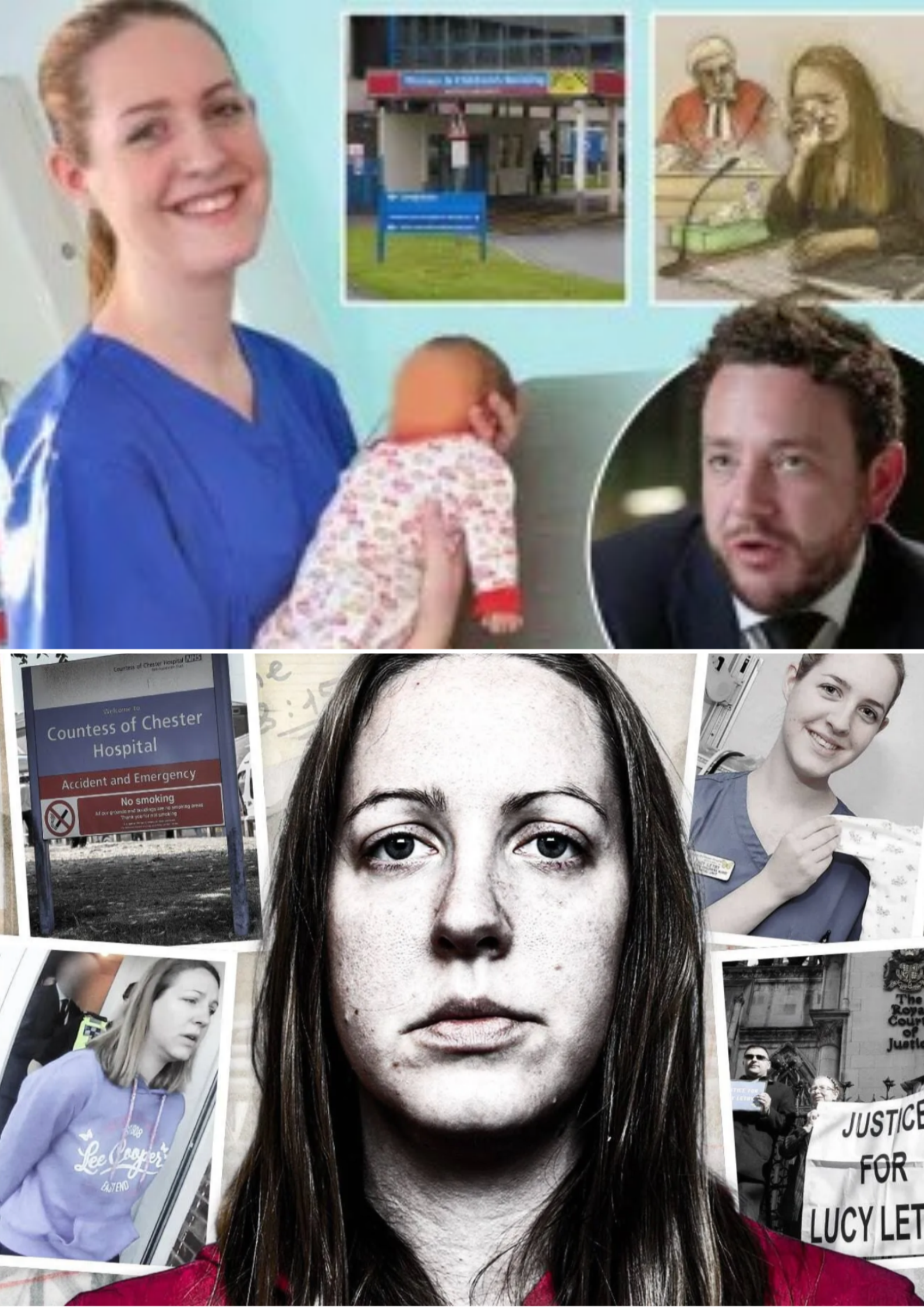
Carl Bolton says his daughter Jessica was saved during two medical emergencies while being cared for by Lucy Letby, the former neonatal nurse convicted of murdering seven babies and attempting to murder seven others. Years later, the family learned how seriously ill their daughter had been — and now her father is calling for wider scrutiny of the hospital’s failings.
A father’s account of his daughter’s treatment at the Countess of Chester Hospital has reignited debate about the conditions inside the neonatal unit where Lucy Letby worked.
Carl Bolton says his daughter, Jessica, was born prematurely in May 2016 and experienced two serious breathing emergencies while receiving neonatal care. Letby was among the nurses caring for her.
According to Bolton, hospital staff later told the family that Letby had escalated Jessica’s care and had gone “above and beyond her call of duty” during the second emergency.
The account has attracted attention because Letby was subsequently convicted of serious offences involving other babies at the same hospital.
However, Bolton’s experience does not establish that Letby was innocent of those offences. His concerns focus on the wider hospital environment, the information provided to families and whether the full circumstances of the neonatal unit’s operation were adequately examined.
 TWO MEDICAL EMERGENCIES THAT CHANGED A FAMILY’S LIFE
Jessica was delivered by caesarean section at the Countess of Chester Hospital after complications relating to her position in the womb.
Following her birth, she was transferred to the neonatal unit because she was struggling to breathe.
Bolton later said his daughter required intubation and treatment to help her lungs function. He described the unit as a frantic environment in which staff were frequently responding to emergencies.
He recalled Letby as one of the nurses who took time to explain what was happening to the family.
At the time, he and his wife, Clare, did not fully understand how seriously ill their daughter had been.
It was only during a meeting with hospital representatives in 2019 that they learned more about the severity of Jessica’s condition and the role staff had played during her treatment.
Bolton said they were told that Jessica had been extremely unwell and had at one point been the sickest baby on the unit for more than 24 hours.
 “SHE WENT ABOVE AND BEYOND HER CALL OF DUTY”
Bolton recalled the words he said were used by a hospital representative when describing Letby’s involvement in Jessica’s care.
According to his account, the representative said Letby had escalated the baby’s care and, during the second emergency, had gone “above and beyond her call of duty”.
Bolton has said he does not know precisely which interventions Letby personally performed during those emergencies. Nevertheless, the experience left him with a strong impression of her as a nurse who had helped his daughter survive.
When Letby was arrested in 2018, Bolton contacted Cheshire Police to ask whether Jessica might have been harmed or could be relevant to the investigation.
He says the family was told that their daughter was not part of the criminal investigation.
That response did not mean police had declared every aspect of Jessica’s treatment beyond question. It meant, according to Bolton, that she was not included in the investigation concerning the offences being examined at that time.
The family later sought further information from the hospital about Jessica’s medical care.
A FATHER QUESTIONS WHETHER THE FULL PICTURE WAS EXAMINED
Bolton has since argued that the conditions inside the neonatal unit deserved greater scrutiny during the criminal proceedings against Letby.
He described the ward as understaffed and chaotic, recalling alarms sounding and medical staff rushing between patients. He also raised concerns about the building’s condition and what he perceived as inadequate communication with parents.
He believes those circumstances should have received more attention when investigators and jurors considered the deaths and collapses of babies at the hospital.
His position is not that Jessica’s survival proves Letby could not have harmed other infants. Rather, he argues that his family’s experience illustrates why he wants a broader examination of the hospital’s practices, working conditions and handling of concerns.
Bolton has also expressed frustration about what he sees as a lack of satisfactory answers from authorities.
His account is a personal one, and the wider questions he raises must be assessed against the available evidence rather than treated as proof of wrongdoing by any particular individual or organisation.
WHAT DOES THIS MEAN FOR LUCY LETBY’S CONVICTIONS?
Letby was convicted across two trials of murdering seven babies and attempting to murder seven others at the Countess of Chester Hospital between 2015 and 2016. She is serving whole-life sentences, and her convictions remain in force.
Her case has continued to attract scrutiny from legal representatives and medical experts who have questioned aspects of the evidence. Letby’s legal team has asked the Criminal Cases Review Commission to examine her convictions.
In January 2026, the Crown Prosecution Service announced that it would not bring additional charges following a review of further allegations. In August, the CPS confirmed that reviews requested by families had not changed that decision. These decisions concern potential additional offences and do not overturn Letby’s existing convictions.
Bolton’s account adds another perspective to the ongoing public discussion, but it does not determine whether the convictions are safe. That question remains a matter for the relevant legal process.
THE THIRLWALL INQUIRY AND THE SEARCH FOR ANSWERS
The Thirlwall Inquiry was established to examine the events at the Countess of Chester Hospital, including how concerns about the neonatal unit were handled and how the hospital and other organisations responded.
It was not established to retry Letby’s criminal case or decide whether her convictions should be overturned.
The inquiry’s final report was published on September 15, 2026. Its findings address the hospital’s handling of events and the failures identified during the inquiry.
Bolton has argued that families whose children experienced medical emergencies on the unit outside the cases central to Letby’s convictions also deserve clear answers about their experiences.
For him, the issue is personal. His daughter survived, but he says the family spent years without fully understanding the seriousness of her condition or the circumstances surrounding her treatment.
A FATHER’S STORY — AND QUESTIONS THAT REMAIN
Jessica is now a child whose life continued beyond those frightening days in hospital. For her parents, the experience remains part of their family’s history.
Bolton’s willingness to speak publicly reflects his belief that the circumstances inside the neonatal unit deserve to be understood in full.
His account should be considered alongside the findings of the inquiry, the evidence heard in court and the legal status of Letby’s convictions.
The fact that a nurse may have helped one infant during a medical emergency does not, by itself, settle questions about separate cases. Equally, a family’s experience can raise legitimate questions about communication, hospital conditions and the care provided to vulnerable babies.
For Carl Bolton, the central issue is whether every relevant part of the hospital’s story has been examined. His family’s experience has become part of a much wider debate — one that must distinguish personal testimony, established findings and questions that remain unresolved.
Sources