NEW DOCUMENTS REVEAL THE BATTLE INSIDE THE HOSPITAL — DR STEPHEN BREAREY’S WARNINGS ABOUT LUCY LETBY WERE REPEATEDLY IGNORED
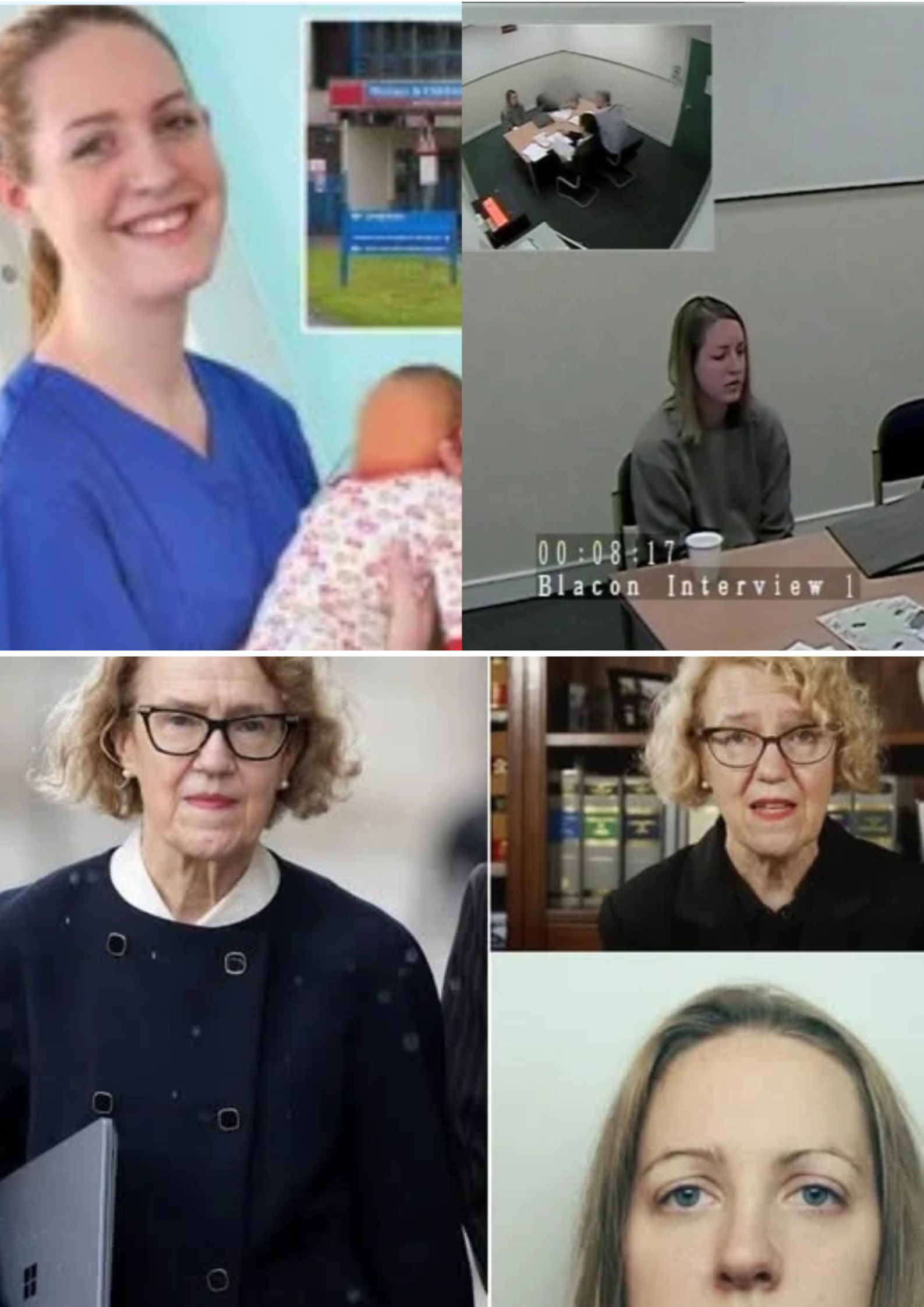
NEW DOCUMENTS REVEAL THE BATTLE INSIDE THE HOSPITAL — DR STEPHEN BREAREY’S WARNINGS ABOUT LUCY LETBY WERE REPEATEDLY IGNORED
New scrutiny of internal hospital records has reignited questions about how senior leaders responded to doctors’ concerns — and why the consultants who raised the alarm found themselves facing pressure from management.
For Dr Stephen Brearey, the lead consultant on the neonatal unit at the Countess of Chester Hospital, the concerns surrounding Lucy Letby were not something he could simply put aside.
As unexplained collapses and deaths mounted in 2015 and 2016, he and fellow doctors repeatedly pressed hospital leaders to take their concerns seriously. But the newly published findings of the Thirlwall Inquiry have revealed a deeply troubling breakdown in communication, decision-making and accountability.
The central question remains: why did it take so long for the hospital to act on warnings about the nurse who was later convicted of murdering seven babies and attempting to murder seven others?
 When the doctors who raised concerns became the focus
The inquiry examined how hospital management responded to the consultants, including Dr Brearey and Dr Ravi Jayaram, who had raised concerns about Letby.
According to the inquiry’s findings, senior leaders failed to respond appropriately to the doctors’ warnings. The report also criticised the way some managers treated the consultants and how information was handled within the trust.
In January 2017, the consultants were called to a meeting with senior executives. Dr Brearey said they were pressed to apologise to Letby, who had filed a grievance against colleagues.
The episode became a defining moment in the dispute between clinicians who wanted their concerns investigated and managers whose response was later heavily criticised.
Documents raise further questions about management’s priorities
The records examined during the inquiry also shed light on discussions about the consultants’ conduct and their possible referral to professional regulators.
The wider picture was deeply concerning: rather than ensuring that all concerns were escalated and independently examined promptly, hospital leadership became embroiled in a dispute with the doctors who had been raising the alarm.
The inquiry found serious failures in the handling of concerns about Letby, including delays in involving police and failures to share important information appropriately.
These findings have intensified questions about whether protecting the hospital’s reputation influenced decisions that should have centred on patient safety.
 The proposed return that raised alarm
One of the most disturbing aspects of the timeline was the discussion in January 2017 about Letby returning to the neonatal unit.
Senior managers had misunderstood or misrepresented the conclusions of earlier reviews, according to the inquiry’s findings. The proposed return came despite the concerns that consultants had repeatedly raised.
Letby was ultimately not returned to the neonatal unit. She was later arrested and convicted in connection with the deaths and attempted murders of babies in her care.
The distinction matters: the documents provide evidence of serious management failures and discussions about staffing, but claims about a secret plot must be distinguished from what the inquiry actually established.
Dr Brearey speaks out
Following publication of the inquiry report, Dr Brearey spoke publicly about his experience and acknowledged that he should have contacted police sooner.
He said he had naively believed that, once senior managers understood the concerns, they would share the same urgency about protecting babies.
His reflections have renewed calls for a workplace culture in which medical professionals can raise safeguarding concerns without fear of intimidation or retaliation.
What happens next?
The Thirlwall Inquiry has documented serious failings in the hospital’s response. Its findings have also raised wider questions about accountability, leadership and how the NHS handles whistleblowers.
For families affected by the case, the issue is not simply what happened behind closed doors. It is whether lessons from these failures will lead to meaningful changes that help protect patients in the future.
The documents tell a story of warnings, missed opportunities and a system that failed to respond as it should have. The challenge now is ensuring that those failures are not repeated.