SIR CHRIS HOY’S CANCER BATTLE: THE OLYMPIC LEGEND’S HONEST WORDS ABOUT LIVING WITH AN UNCERTAIN FUTURE
SIR CHRIS HOY’S CANCER BATTLE: THE OLYMPIC LEGEND’S HONEST WORDS ABOUT LIVING WITH AN UNCERTAIN FUTURE
The six-time Olympic gold medallist has spoken candidly about his stage-four prostate cancer diagnosis, the emotional strain of medical tests and why he refuses to let the illness define his life. But a dramatic quote now circulating online has not been verified.
Sir Chris Hoy has faced one of the hardest challenges imaginable since learning that his prostate cancer had spread to his bones. Yet the British cycling legend continues to speak publicly about hope, family and making the most of the time he has.
Hoy revealed in 2024 that he had incurable stage-four prostate cancer. Doctors gave him an estimated prognosis of two to four years, a reality that changed his outlook on life.
The diagnosis was devastating, but it did not bring his ambitions to an end. In interviews throughout 2026, Hoy has continued to discuss his treatment, his family and his determination to help other men recognize the risks of prostate cancer.
 THE WAIT FOR MEDICAL RESULTS CAN BE EMOTIONALLY EXHAUSTING
In an interview published by The Guardian in August 2026, Hoy described the anxiety surrounding regular blood tests and medical appointments.
He explained that waiting for results can make him feel as though time is ticking away. At times, even before entering a consultation, he finds himself trying to interpret the doctor’s expressions in anticipation of the news.
These moments reveal a difficult side of living with advanced cancer that is not always visible when he appears in public.
Nevertheless, Hoy told the newspaper that he was doing well, as well as could be expected, and continued to pursue activities that brought meaning to his life.
“THERE’S PLENTY OF LIFE LEFT IN US”
Earlier in 2026, Hoy shared a message of hope for people living with stage-four cancer.
He explained that his goal was to demonstrate that a serious diagnosis does not erase a person’s identity or their ability to enjoy life.
His charity initiative, Tour de 4, brings together people affected by cancer and raises money for cancer charities. The event raised more than £3.1 million in its inaugural year in 2025.
For Hoy, the project is about more than fundraising. It is an opportunity to challenge assumptions about what life can look like after a diagnosis and to remind people that they are not alone.
 WHAT ABOUT THE CLAIM THAT HE HAS “LITTLE TIME LEFT”?
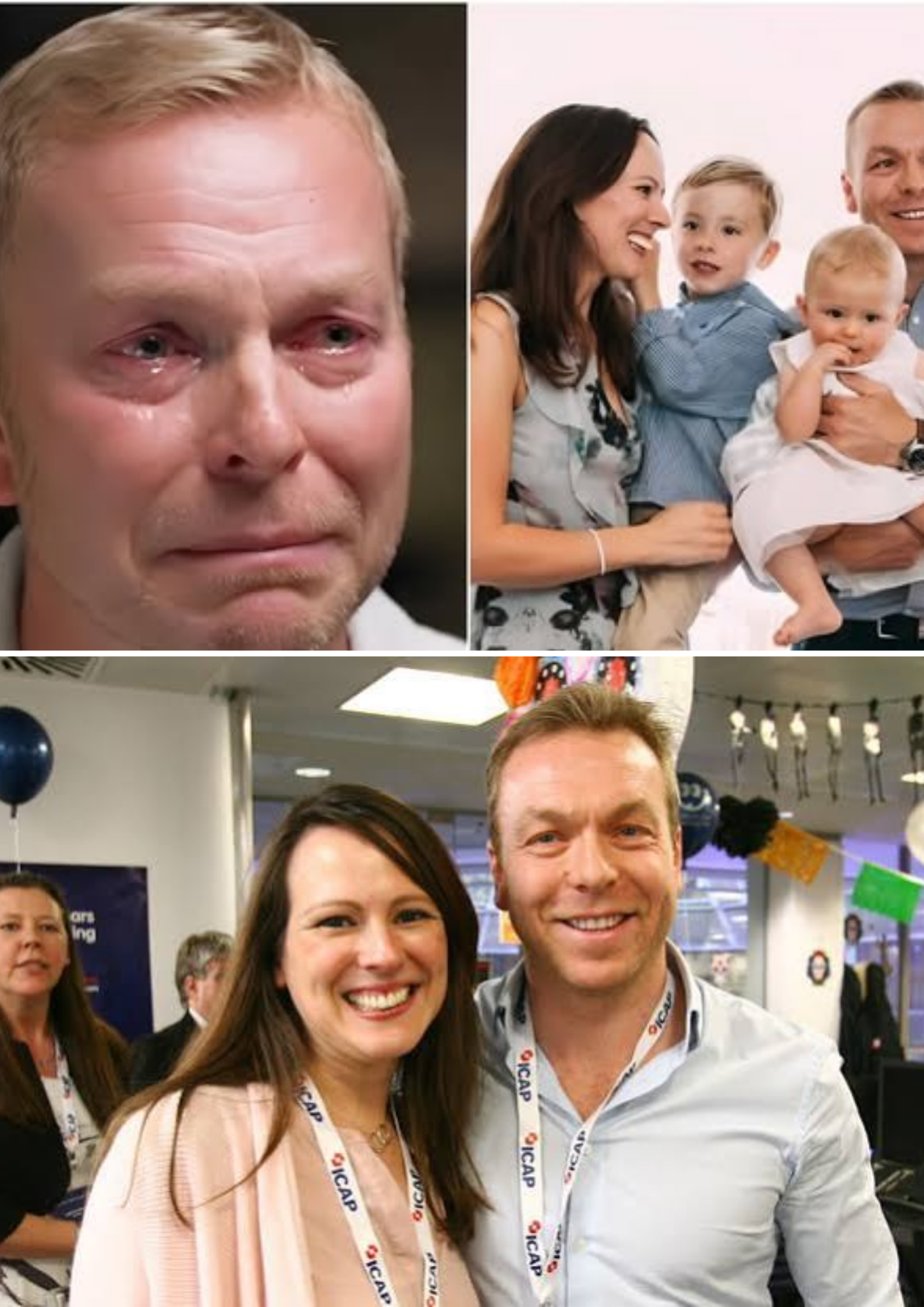
A sensational headline circulating online claims that Hoy recently broke down in tears and declared, “I don’t have much time left.”
However, I could not verify that exact statement or find reliable reporting confirming a new medical assessment matching the claim.
His previously reported prognosis is serious, and he has openly acknowledged the uncertainty he faces. But that is different from confirming that he has just received devastating new medical news.
In his most recent verified interviews reviewed for this article, Hoy has continued to discuss his health and his commitment to supporting others. His documented comments include expressions of hope alongside honest descriptions of the emotional challenges of treatment.
A STORY OF COURAGE, FAMILY AND PURPOSE
Hoy’s cancer journey has also affected his family. His wife, Sarra, has faced her own health challenges, and the couple have spoken about trying to maintain family life while helping their children understand the situation.
Despite the uncertainty, Hoy continues to set goals, take part in charitable projects and encourage men to learn more about prostate cancer.
His story is not one of pretending that everything is easy. It is about acknowledging the difficult days while still making room for family, meaningful experiences and hope.
For his supporters, the most important message is to remember the man behind the headlines: an Olympic champion who continues to use his voice to help others facing a similar diagnosis.
His condition is serious, but unverified claims about a sudden deterioration should not be mistaken for confirmed medical news.