Undisturbed Warrior Burial Reveals Secrets of the Ancient Eurasian Steppe
Undisturbed Warrior Burial Reveals Secrets of the Ancient Eurasian Steppe
An exceptionally well-preserved warrior burial uncovered in the vast grasslands of the Eurasian Steppe is offering archaeologists a rare and detailed glimpse into the life, beliefs, and warfare of ancient nomadic cultures.
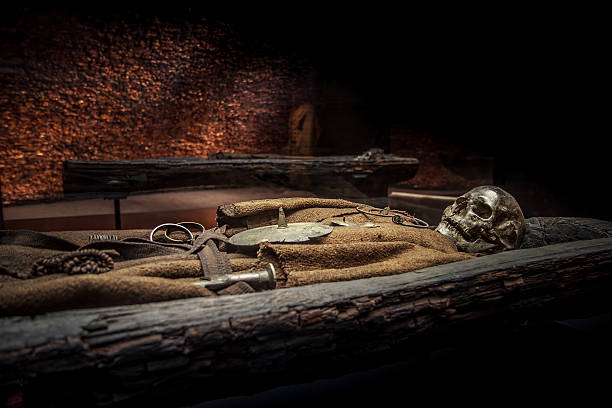
The discovery, described by researchers as largely undisturbed, includes a complete burial arrangement with weapons, personal items, and ceremonial objects still positioned close to the individual’s remains.
A Window Into a Forgotten World
The Eurasian Steppe, stretching from Eastern Europe to Central Asia, was home to numerous nomadic groups over thousands of years. These societies were known for their mobility, horseback warfare, and complex cultural traditions that left behind fewer permanent settlements than agricultural civilizations.
Because of this, intact burials are especially valuable to archaeologists studying these cultures.
What Was Found in the Grave
Preliminary reports from the excavation describe a rich collection of grave goods, including:
- Iron or bronze weapons such as swords, spearheads, or arrowheads
- Horse-related equipment suggesting mounted warfare
- Ornamental items such as jewelry or decorative fittings
- Ceremonial objects likely associated with ritual practices
- Textile remnants preserved in soil conditions
The arrangement suggests the individual held a significant social or military status within their community.
Insights Into Steppe Warfare
The artifacts reinforce what historians already know about Steppe societies: mobility and cavalry played a central role in warfare. Mounted warriors could travel long distances quickly, giving them strategic advantages across open terrain.
Weapon styles found in similar burials often reflect both practical combat use and symbolic status representation.
Burial Practices and Beliefs
Many Steppe cultures practiced elaborate burial rituals, sometimes including:
- Burial mounds (kurgans)
- Sacrificial offerings
- Horse burials alongside warriors
- Grave goods intended for use in the afterlife
These practices suggest a belief system that connected status in life with status after death.
Why This Discovery Matters
Undisturbed burials are rare because many ancient graves were looted in antiquity. When intact, they provide direct evidence of social structure, craftsmanship, trade networks, and cultural identity.
This burial helps researchers better understand how Steppe societies interacted with neighboring civilizations in Europe and Asia.
A Fragment of a Vast History
Although only one grave, the discovery contributes to a broader picture of the Eurasian Steppe as one of the most influential cultural corridors in ancient history.
Through such findings, archaeologists continue to reconstruct the lives of nomadic warriors whose movements shaped the political and cultural development of entire continents.