Maria Eduarda Rope-Jump Case Raises Serious Questions About Extreme-Sport Safety in Brazil
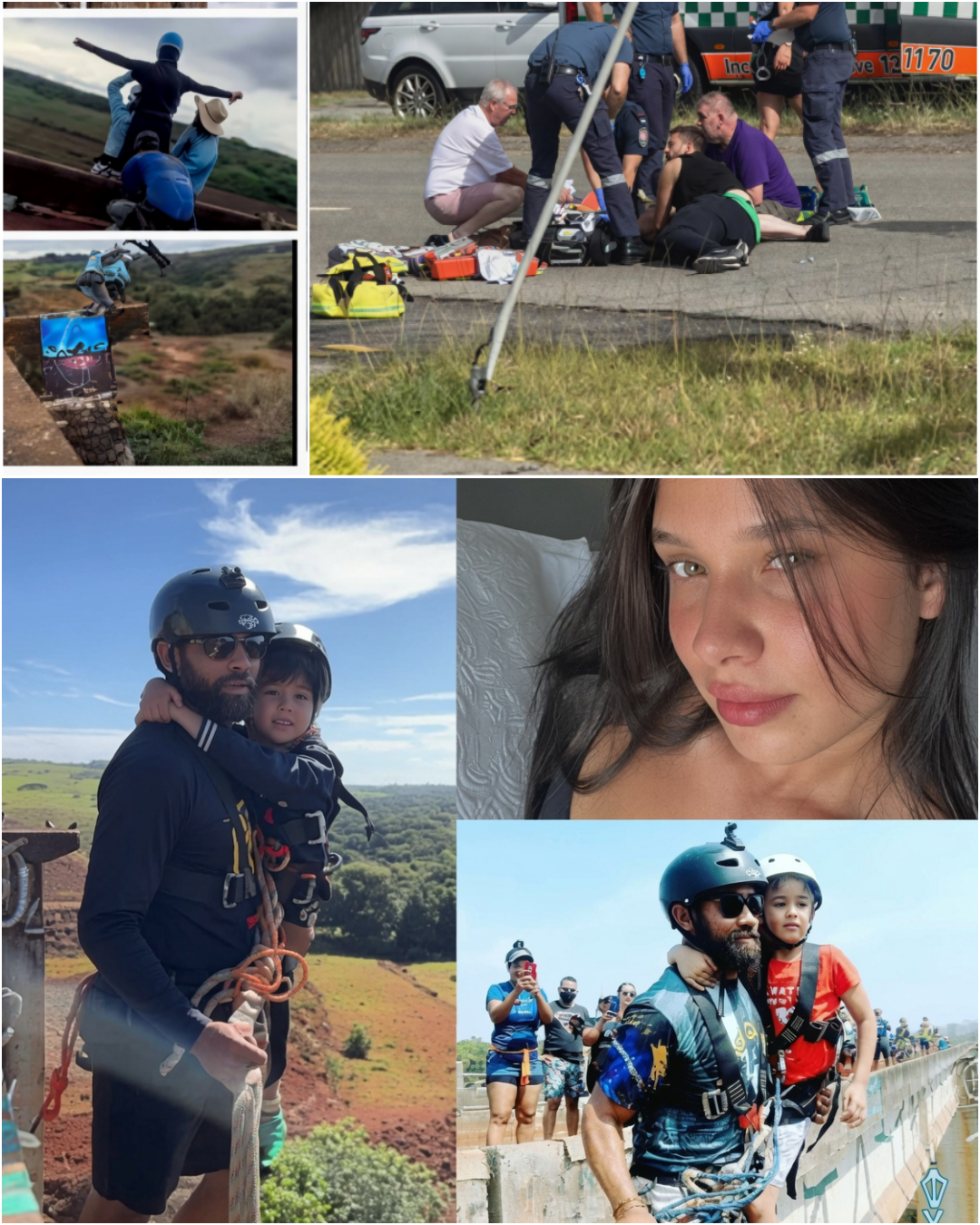
The death of Maria Eduarda Rodrigues de Freitas has become a national warning about extreme-sport safety, instructor responsibility, and proper equipment checks.
Article
Maria Eduarda Rope-Jump Case Raises Serious Questions About Extreme-Sport Safety in Brazil
The death of 21-year-old Maria Eduarda Rodrigues de Freitas has become more than a tragic headline. It has become a serious warning about the risks of extreme sports when safety procedures are unclear or poorly enforced.
Maria Eduarda died during a rope-jump activity at the Ponte do Esqueleto in Limeira, São Paulo. According to investigators, she was launched from the bridge without the safety rope being properly attached.
The case has shocked Brazil because the activity depended entirely on professional supervision. In rope jumping, there is no room for confusion. The equipment must be checked before the jump. The rope must be attached. The harness must be secured. The final confirmation must be clear.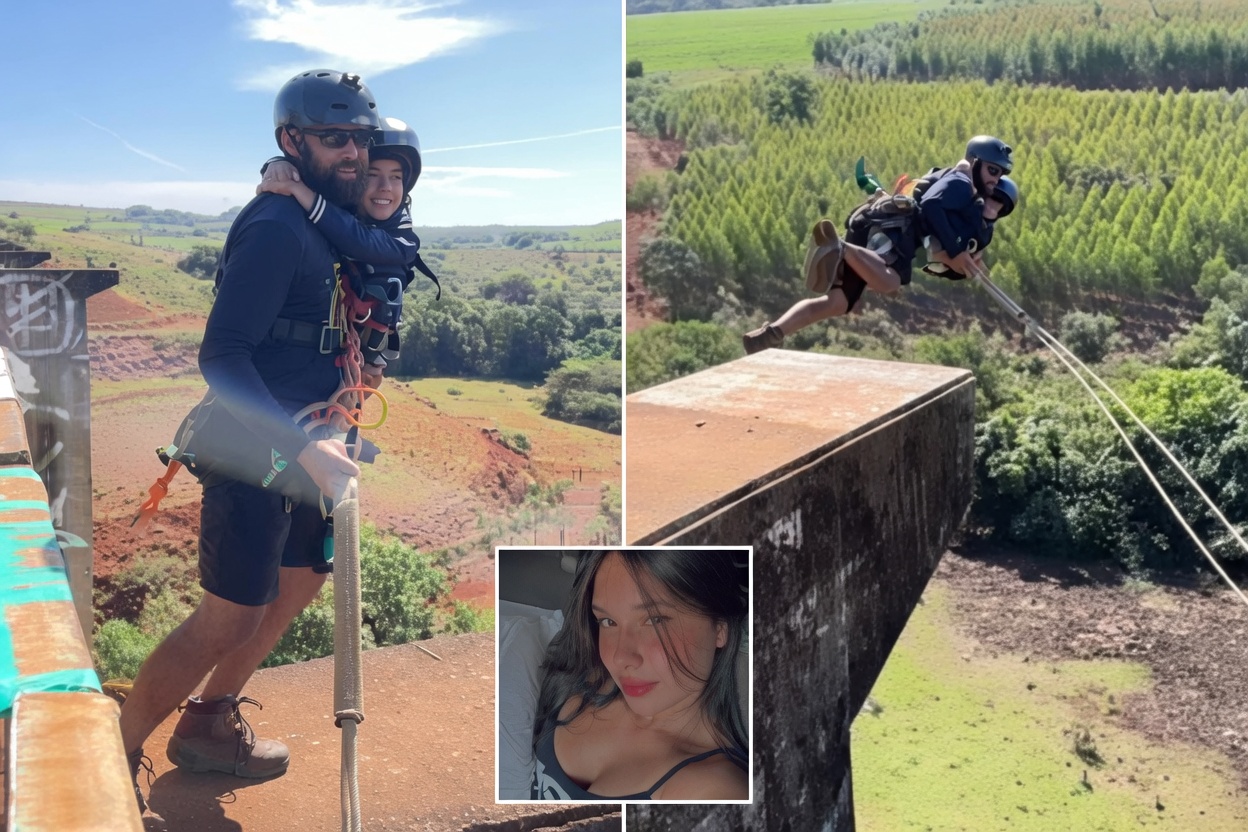
Investigators are now trying to determine how Maria was allowed to jump without the protection that should have been in place.
Three instructors have been named in the police investigation. Reports say they were unable to clearly identify who was responsible for the final safety connection before Maria was released. That uncertainty has become one of the most disturbing parts of the case.
Extreme-sport companies often promote adventure, adrenaline, and unforgettable experiences. But behind every thrilling moment must be strict safety discipline. A participant may not fully understand every technical step. That is why instructors and operators carry enormous responsibility.
Maria Eduarda was not expected to manage the safety system herself. She was a customer. She was there to experience an activity under the supervision of people who were supposed to know exactly what they were doing.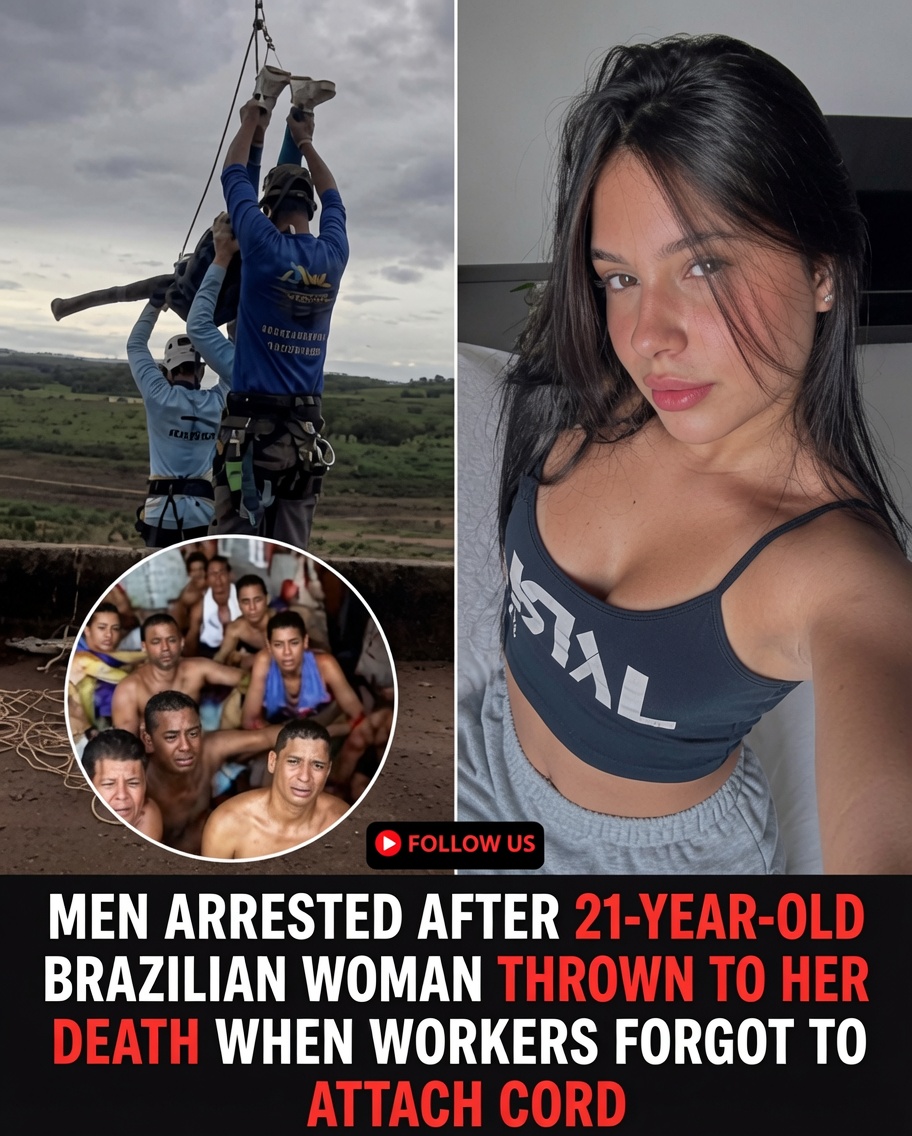
The investigation is also examining the broader operation behind the jump. Brazilian media reports have raised questions about whether the group had proper structure, authorization, and formal organization to conduct rope-jump activities at the site.
Reports also said the activity involved paid participation, with extra charges for video recording. On the day of the tragedy, a large number of people were reportedly expected to take part in jumps with the same group.
These details have increased public concern. If many people were participating, then the operation should have had clear roles, documented checks, and a strict safety chain. The more people involved, the more important organization becomes.
Maria’s case is now forcing a difficult conversation: should extreme-sport operators face stronger oversight? Should final safety checks be recorded? Should each instructor’s responsibility be documented before every jump?
For Maria’s family, no rule change can bring her back. But stronger enforcement may prevent another family from suffering the same loss.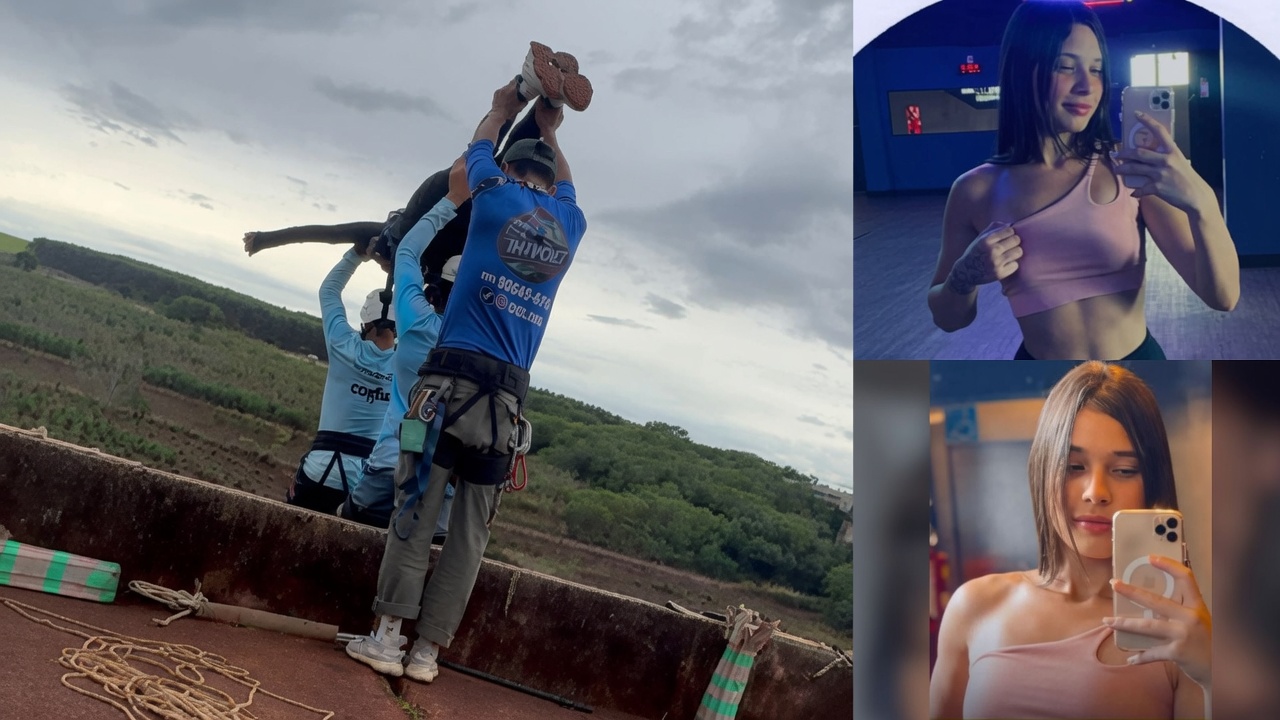
Maria Eduarda’s story should not fade after the headlines disappear. It should remain a reminder that adventure must never come before safety.
Every rope matters. Every check matters. Every life matters.