THE BABY HAD TROUBLE BREATHING BECAUSE OF AN 800-GRAM RARE GROWTH ON HIS FACE
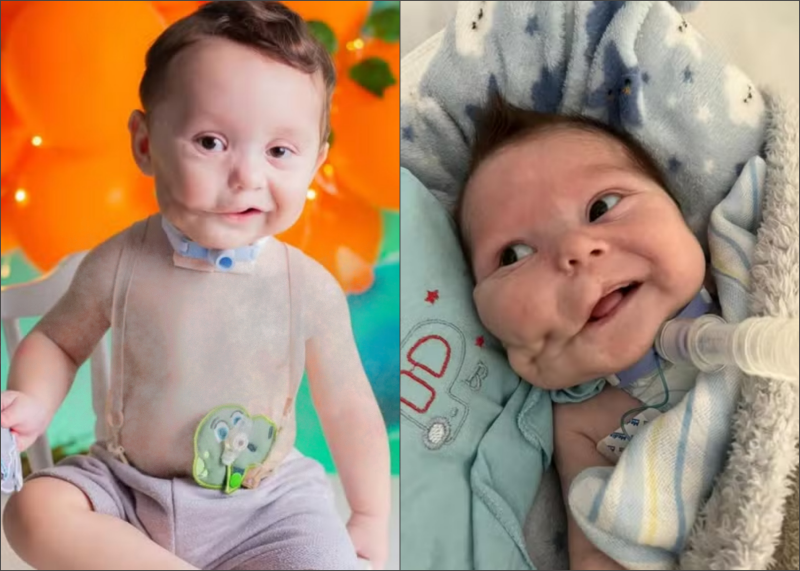
Braian was born with an 800-gram epignathus growth on his face. The condition was identified during pregnancy.
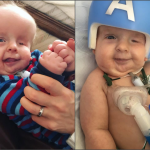
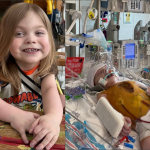
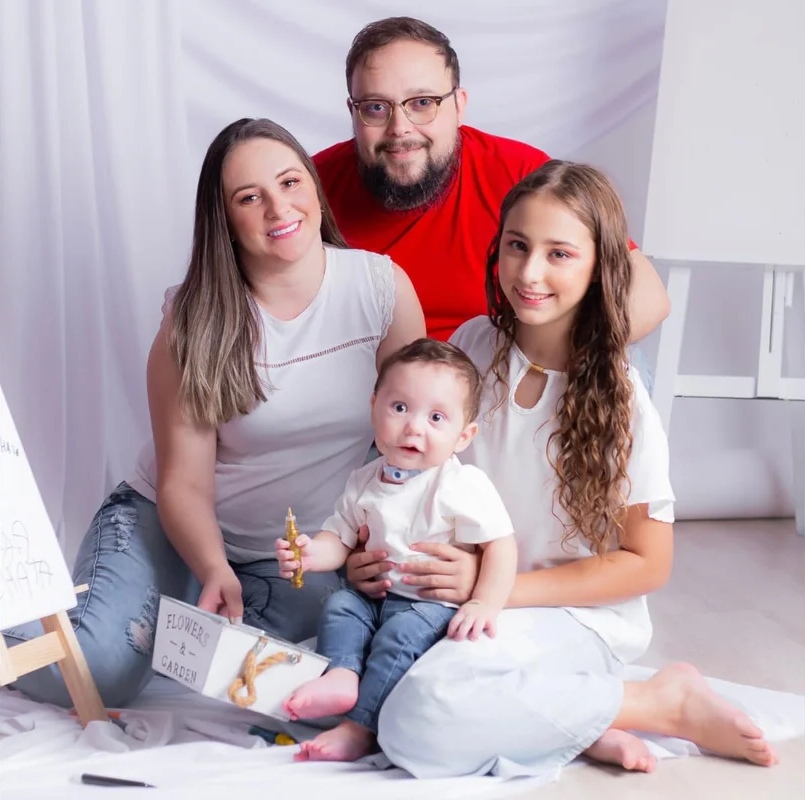
The joyful moments Braian Demjenski Pereira shares with his parents carry an even deeper meaning as he approaches his first birthday on May 10. He was born with an 800-gram epignathus growth on his face—equal to nearly 28.5% of his total body weight at birth. To give him the best chance of recovery, Braian underwent several surgeries shortly after he was born.
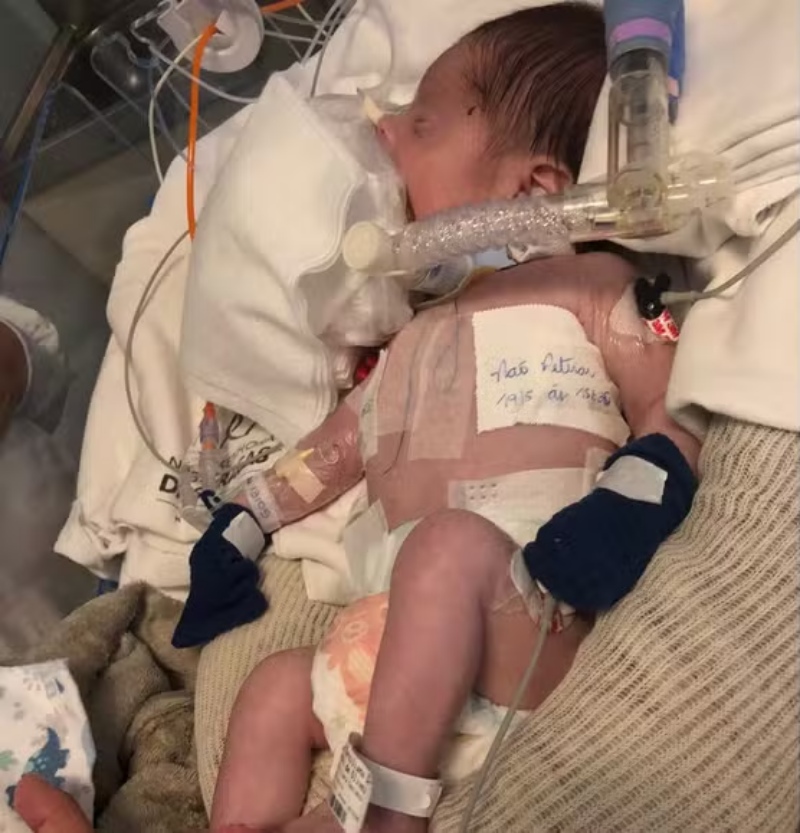
Epignathus is an extremely rare congenital condition, affecting around one in every one million live births. The growth develops during pregnancy, usually originating in the roof of the mouth and extending outward through the face. Babies with epignathus often require surgery soon after birth to rebuild the structures of the mouth and airway. In some cases, the growth can become as large as the baby’s skull.
In Braian’s case, the condition was detected early in pregnancy. During an ultrasound at 18 weeks, his parents received the diagnosis.
“We had been trying to have a baby for two years, so finding out we were expecting was an emotional moment. Soon afterward, we also learned about the growth,” recalled his mother, Marciliana Demjenski, 30.
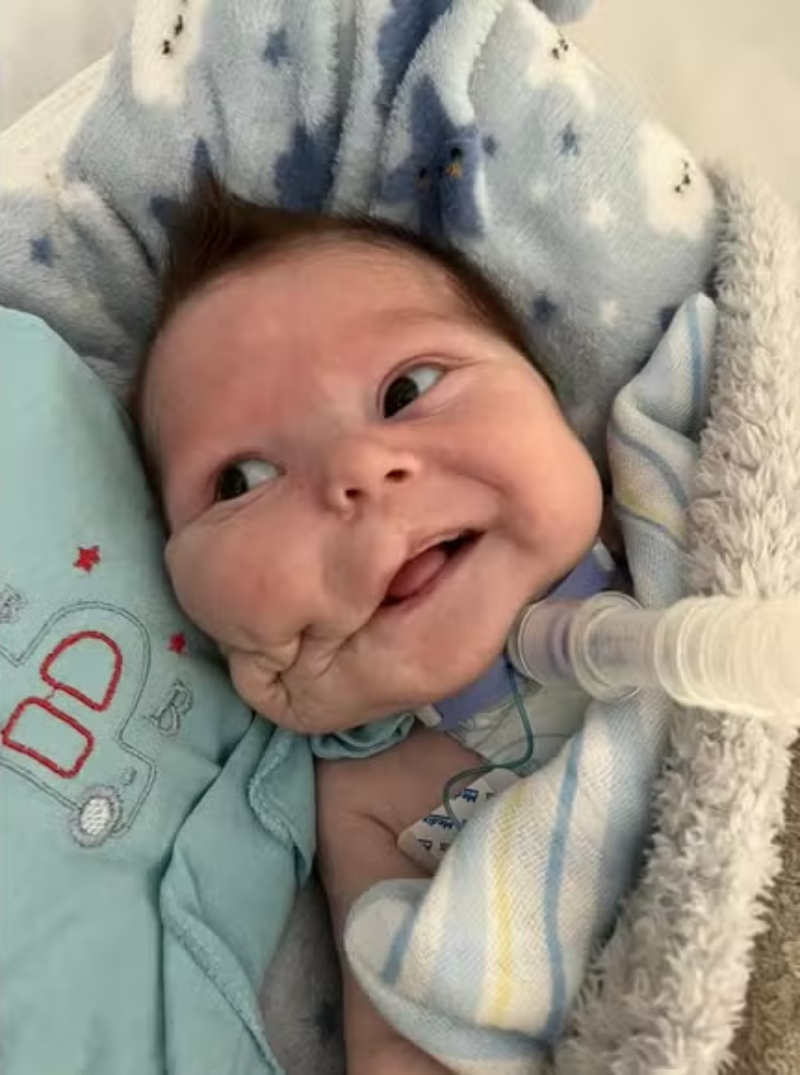
Following the diagnosis, ultrasound appointments became a weekly routine so doctors could closely monitor Braian’s development.
“We lived one week at a time, always with uncertainty, worry, and hope,” said his father, Valmir Pereira, 35. The couple also has a 13-year-old daughter, Beatryz.
Toward the end of the pregnancy, the growth became increasingly concerning because it had expanded to cover Braian’s entire mouth. At 35 weeks, doctors decided it was time to deliver him by cesarean section.
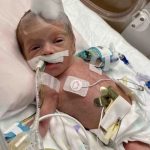
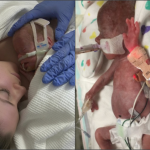
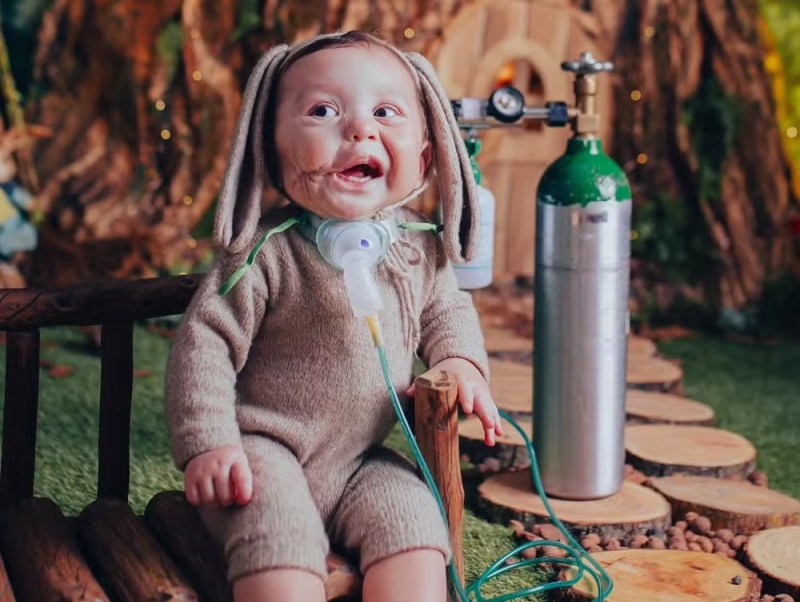
The birth involved dozens of medical professionals, and an emergency tracheostomy—the only way to establish his airway—was performed immediately after delivery.
“Between his birth and arriving in the intensive care unit, which took about an hour and a half, his heart stopped four times. At one point, his heart was not beating for 25 minutes. He received adrenaline, and the doctors believed he might not recover. If he did, they feared he could face very serious complications,” his mother recalled.
Braian’s oxygen levels were so low that he received an Apgar score of just 1, whereas a healthy score is typically between 8 and 10.
“As they took him to the ICU, I rode in the elevator beside the team and saw the doctors working to revive my son. It was one of the hardest moments of my life. After waiting so long for him, I couldn’t imagine losing him,” his father said.
While Braian was receiving intensive care, Marciliana also experienced complications during childbirth and lost a significant amount of blood, requiring treatment in the ICU herself. She was only able to see her son 12 hours after he was born.
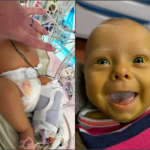
The surgery to remove the growth was performed two weeks after birth, once Braian was breathing on his own through the tracheostomy. The procedure was successful, but he remained at Hospital Nossa Senhora das Graças in Curitiba for three months, gaining strength and weight before he was well enough to go home.
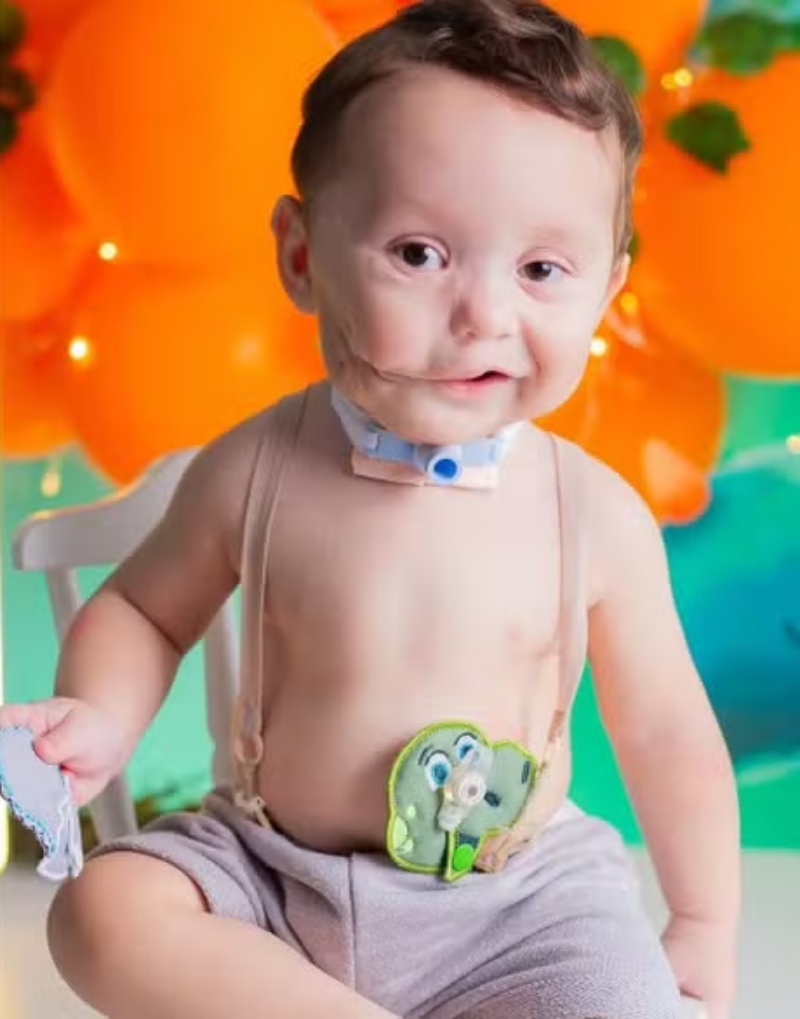
After surgery, Braian continued neurological follow-up care and was prescribed a barbiturate to help prevent seizures and protect his recovery, as doctors wanted to monitor whether the condition had affected his brain development.
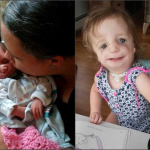
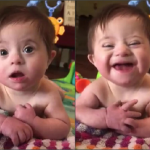
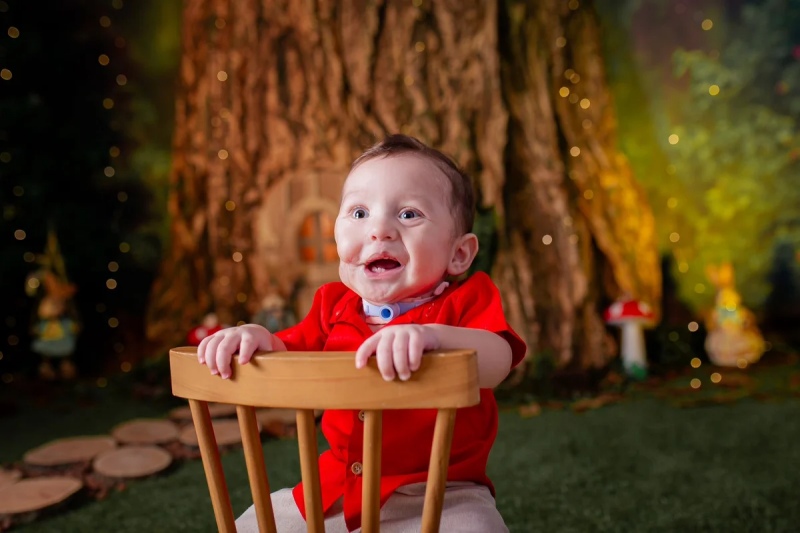
Months later, he no longer needed the medication. He gained weight steadily and has been reaching developmental milestones similar to other children his age.
He continues regular follow-up appointments with oncology specialists to monitor for any possible recurrence of the growth. In addition, he sees several medical specialists, including plastic surgeons who will continue reconstructing his face.
“Today, my life is completely dedicated to my son’s well-being and all of his medical appointments,” his mother said.
Source: Metropoles