Prince William’s Quiet Message Reveals the Strength He Finds in Catherine and Family
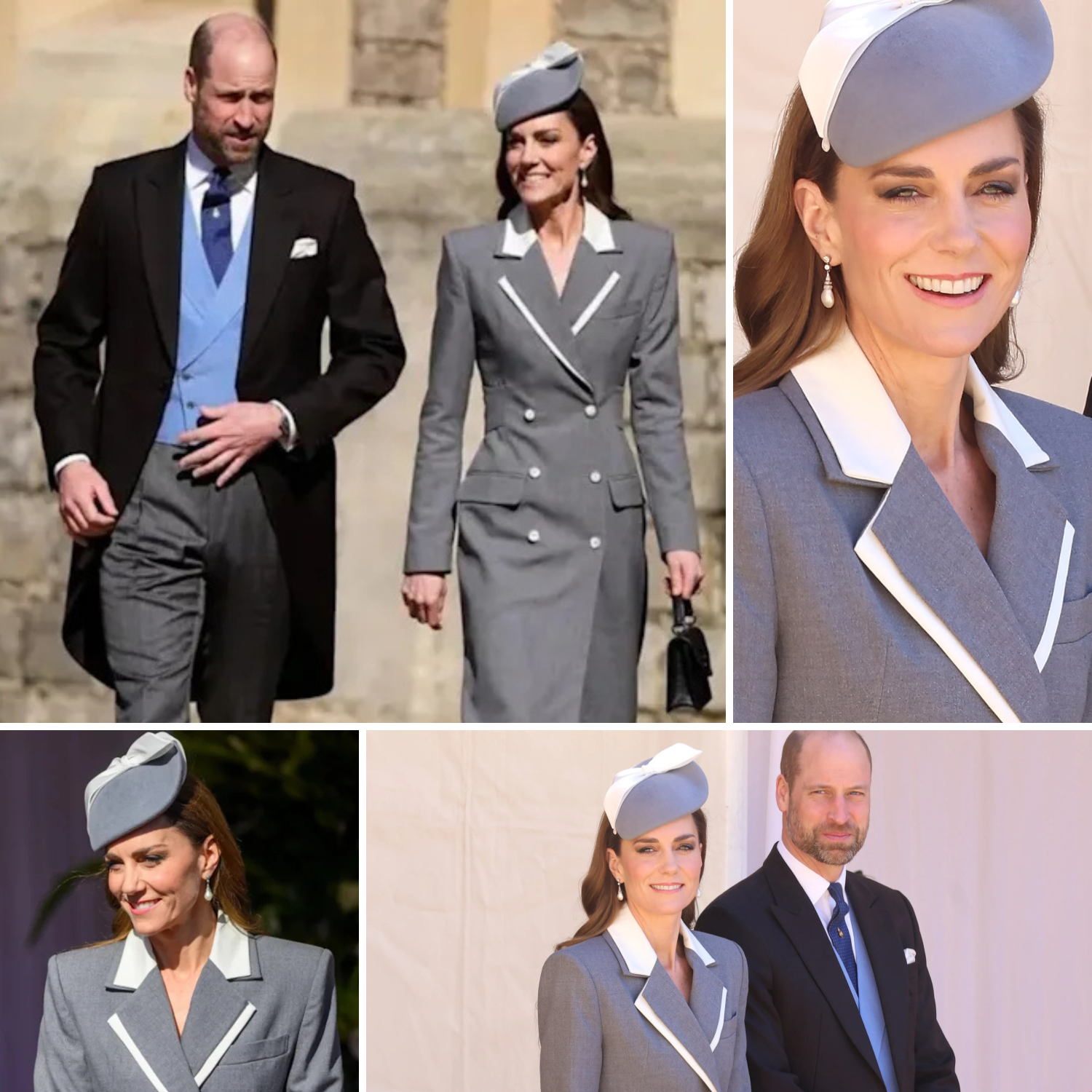
Prince William has spent nearly his entire life preparing to carry responsibilities that few people can fully understand. Yet in a recent message connected to the Prince and Princess of Wales, the focus was not on royal tradition, official ceremonies or the future of the monarchy.
Instead, it centered on something deeply human: the need to pause, remain grounded and appreciate the people who provide strength during uncertain times.
Shared through Catherine, Princess of Wales, the thoughtful message offered a glimpse of William away from the formality surrounding his public role. Its themes of resilience and gratitude suggested that moving forward does not always require dramatic action. Sometimes it means accepting life one day at a time and drawing comfort from the people standing closest to you.
For supporters who have followed William and Catherine for years, the message carried particular emotional weight. Their public journey has unfolded through celebrations, family milestones, demanding duties and difficult personal chapters. Through it all, they have repeatedly presented themselves as partners facing extraordinary pressure together.
A Life Defined by Expectations
William’s relationship with duty began before he was old enough to understand what it meant.
As the eldest son of King Charles III and the late Princess Diana, he grew up knowing that his future would be closely tied to the British monarchy. His education, relationships and personal milestones were documented by cameras and discussed by people around the world.
There was little separation between the boy he was and the public figure he was expected to become.
That unusual childhood also exposed William to profound loss. He was only 15 when Princess Diana died, leaving him to mourn his mother while millions watched. The experience became one of the defining events of his life and influenced his understanding of family, compassion and emotional endurance.
As an adult, William has appeared determined to give his own children a greater sense of stability. His approach to fatherhood has reflected a desire to protect ordinary family moments even while preparing the next generation for the responsibilities that may eventually await them.
That balance is never simple.
Royal duties demand visibility, consistency and service. Parenting requires attention, privacy and presence. William and Catherine have spent years trying to preserve both sides of their lives without allowing one to completely overwhelm the other.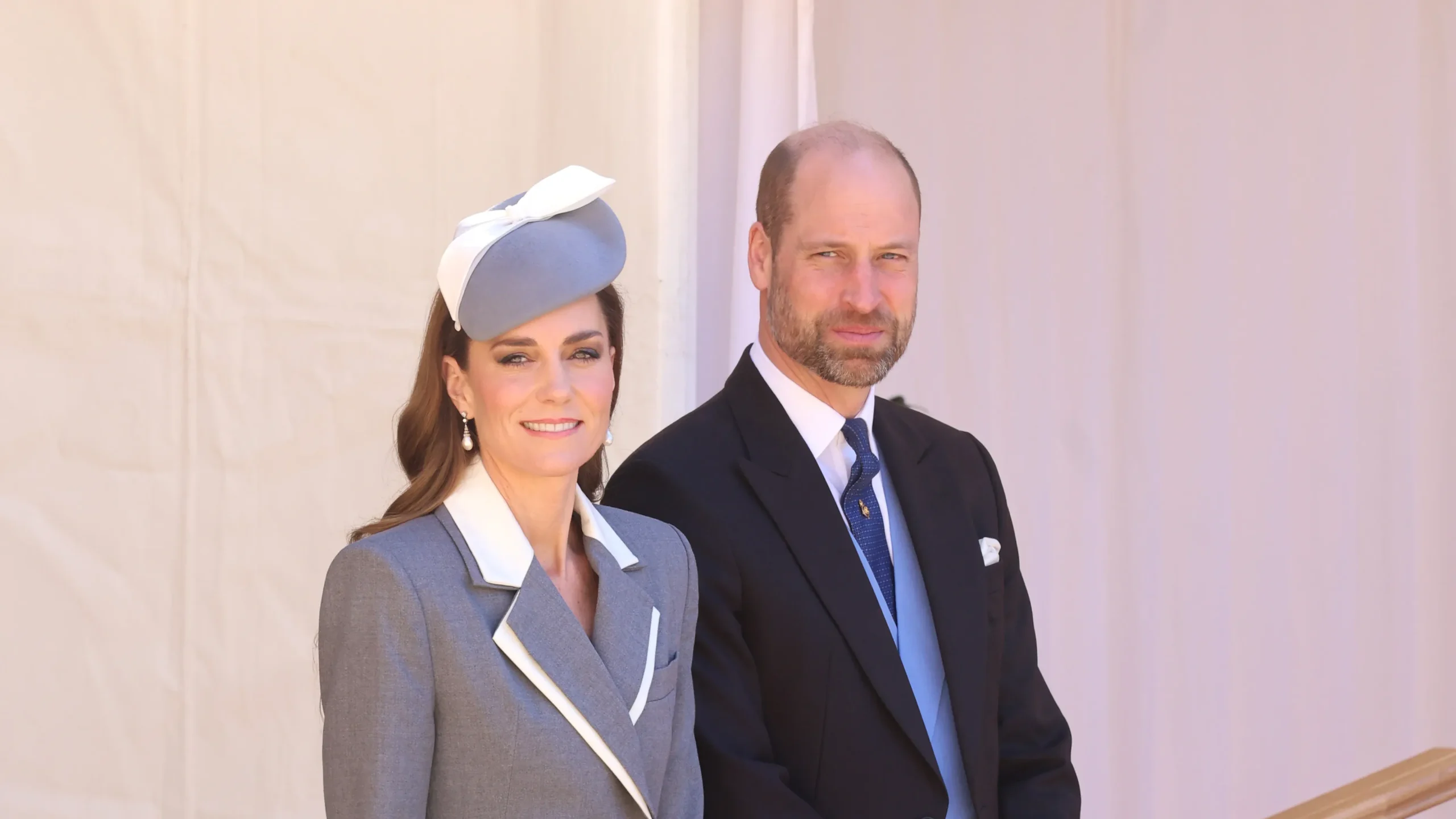
Catherine’s Place Beside Him
Catherine entered William’s life long before either of them carried their current titles. Their relationship developed under intense scrutiny, eventually leading to marriage, parenthood and an increasingly prominent place within the royal family.
She did not simply become a public representative of the monarchy. She became William’s partner in navigating a life where even private challenges can become international stories.
Their bond has often appeared strongest in understated moments.
Rather than relying on public declarations, they have shown their partnership through shared engagements, mutual support and the way they divide responsibilities. Their appearances have offered glimpses of a couple trying to remain united while fulfilling obligations that extend far beyond their household.
The fact that William’s recent message was communicated through Catherine added another layer of meaning. It reflected the trusted position she occupies in his life—not only as the Princess of Wales, but as the person beside him while he enters each new chapter.
Their partnership has therefore come to represent more than royal continuity. For many followers, it symbolizes teamwork under pressure and the quiet loyalty required to sustain a family whose life is rarely free from public attention.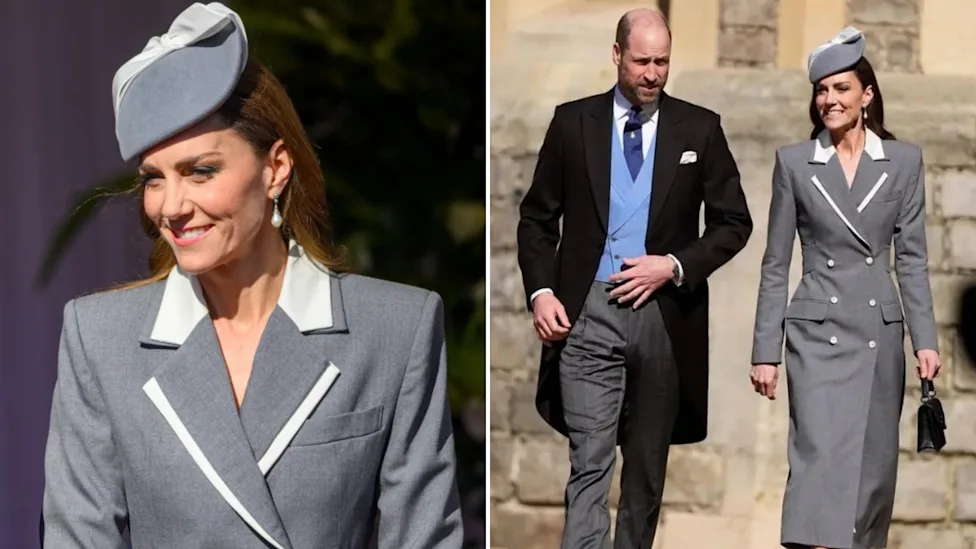
Strength Can Also Mean Stepping Back
For generations, leadership was often associated with appearing invulnerable.
Public figures were expected to remain composed, hide uncertainty and continue working regardless of personal strain. Admitting the need for rest could be interpreted as weakness.
William’s message pointed toward a different understanding.
True resilience is not simply the ability to endure without stopping. It can also involve recognizing when reflection is necessary, when family must come first and when a person needs space to regain balance.
The idea is relatable far beyond royal life.
Parents, professionals and caregivers frequently feel pressure to continue carrying responsibilities even when they are exhausted. They may believe that slowing down means disappointing others. Yet stepping back can be what allows someone to return with greater clarity and strength.
Taking life one day at a time also reduces the expectation that every problem must be solved immediately. Progress can happen through patience, small decisions and the willingness to accept support.
For William, whose life has always been shaped by long-term responsibility, that perspective carries special significance. He is preparing for a future defined by service, but his message suggested that service cannot be separated from personal well-being.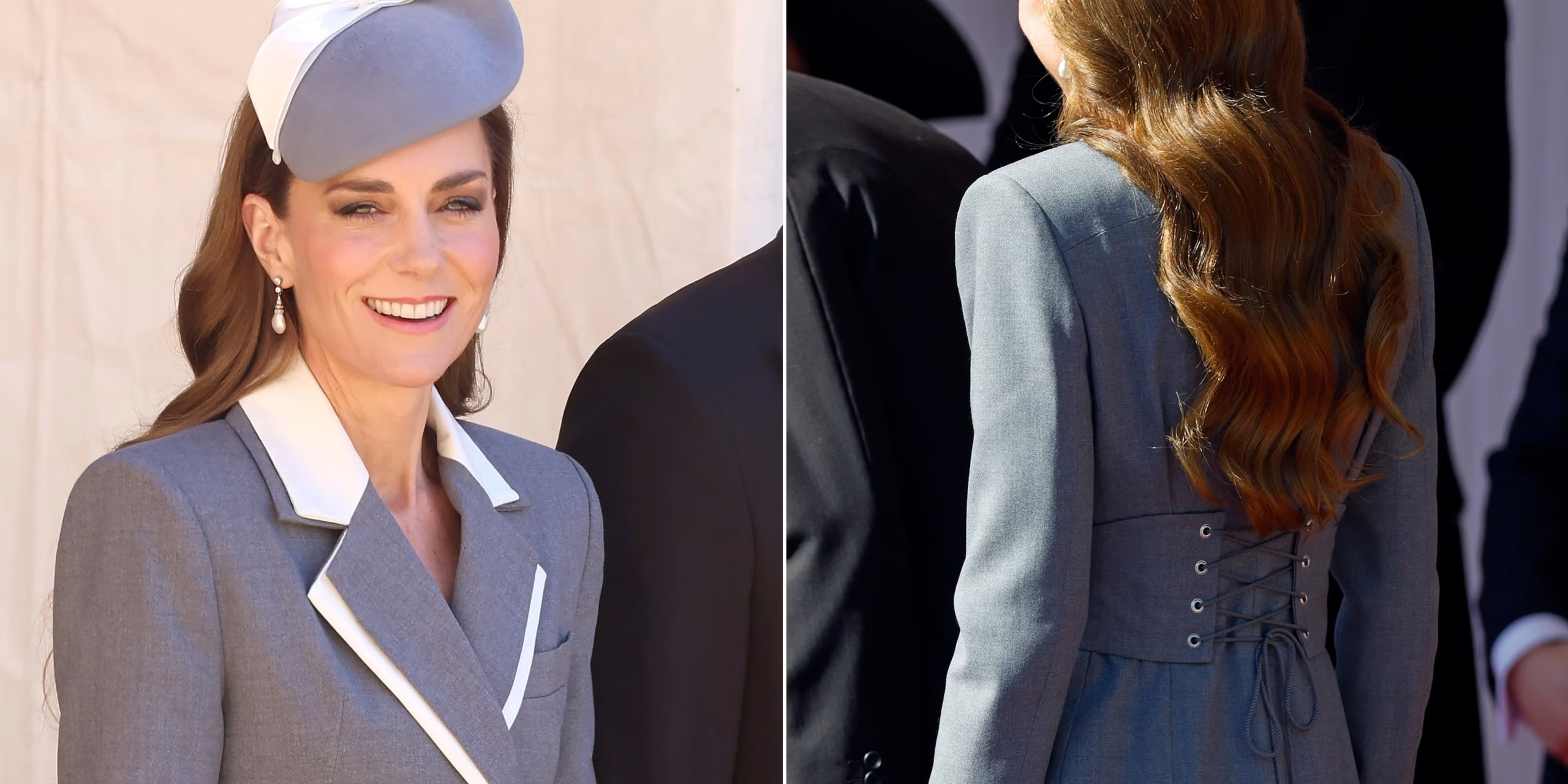
The Family Behind the Royal Image
Although William’s public identity is connected to centuries of history, his priorities often return to the people closest to him.
Together, he and Catherine have emphasized the importance of childhood experiences, education and emotional support. Their efforts to protect family time reveal their awareness that royal children need more than preparation for future duties. They also need security, affection and opportunities to experience normal life.
William’s own childhood taught him how deeply public pressure can affect a family. That history appears to inform his determination to create a more stable environment for his children.
It has also shaped the way many people view his relationship with Catherine.
She is not standing beside him only during official ceremonies. Her role extends into the private work of maintaining family life while both of them face constant expectations. Their ability to continue presenting a united front has become central to their public story.
Gratitude During an Uncertain Chapter
One of the clearest themes of William’s message was appreciation.
Gratitude often becomes most powerful during challenging periods because it acknowledges that no one moves forward entirely alone. Support may come from relatives, friends, colleagues or people who offer encouragement from a distance.
For William and Catherine, that circle includes those who work alongside them and the millions who have followed their journey through years of change.
Expressing appreciation creates a connection between the royal couple and the public. Titles may separate them from ordinary life, but emotions such as uncertainty, hope and thankfulness are universally understood.
William’s message did not depend on a dramatic announcement. Its impact came from its calm recognition that strength can be quiet.
It can be found in pausing before continuing, accepting help without embarrassment and remembering why the responsibilities matter in the first place.
Moving Forward Together
William’s future will always be tied to duty. As a senior royal and future king, he carries expectations rooted in history, tradition and public service.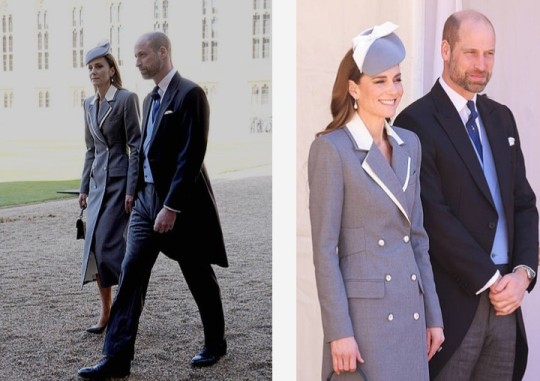
But leadership is also shaped by how a person responds when life becomes difficult.
The message shared through Catherine revealed a vision of strength built not only on endurance, but on emotional awareness, family loyalty and gratitude. It suggested that even someone surrounded by ceremony and expectation must occasionally slow down and reconnect with the values that make continued service possible.
Catherine’s presence beside William remains an essential part of that story.
Their new chapter may bring further responsibilities and challenges, but the message behind it was reassuringly simple: progress does not have to happen all at once.
It can begin with one day, one step and the knowledge that the journey is being faced together.