“SHE KNEW SOMETHING WAS WRONG” — LINDSAY CLANCY TRIAL TURNS TO THE QUESTIONS BEHIND THE TRAGEDY
“SHE KNEW SOMETHING WAS WRONG” — LINDSAY CLANCY TRIAL TURNS TO THE QUESTIONS BEHIND THE TRAGEDY
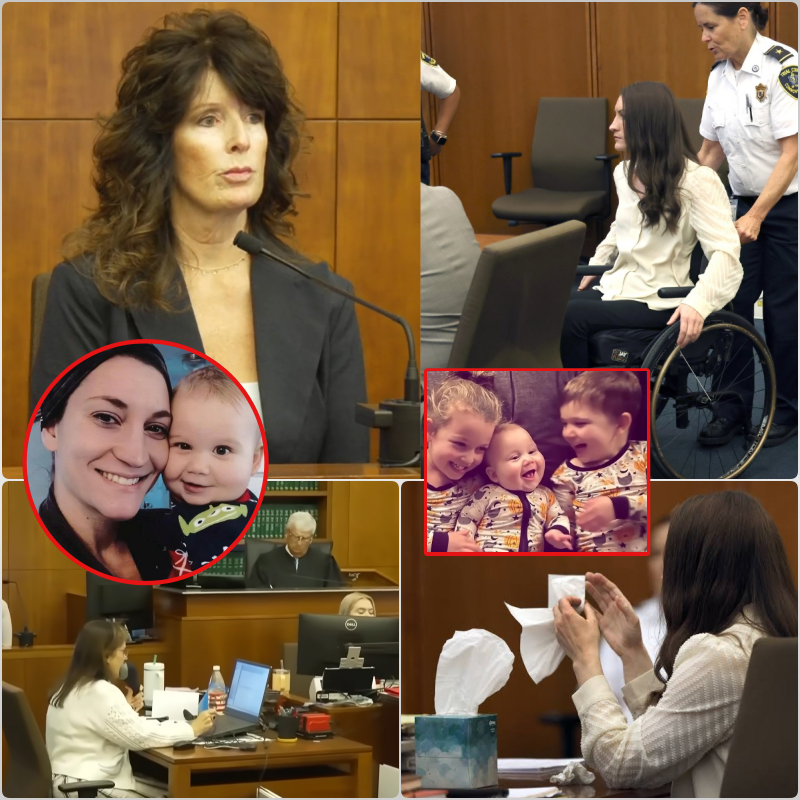
MASSACHUSETTS, USA — The trial of Lindsay Clancy is turning increasingly toward questions about her mental health in the months before the deaths of her three children in January 2023.
 Psychiatric Treatment Under Scrutiny
Jurors have heard testimony that Clancy was prescribed 13 different psychiatric medications before the incident.
Several psychiatrists who treated her also testified about their interactions with Clancy and explained why they did not diagnose her with postpartum psychosis at the time.
A specialist in postpartum mental health told the court that Clancy had been actively seeking help and had reported serious difficulties, including severe sleep problems, anxiety, and disturbing thoughts.
 What Did Those Around Her See?
The court also heard evidence about Clancy’s behavior as a mother.
According to testimony presented during the proceedings, investigators found no evidence that she had previously abused her children, while relatives and friends described her as a caring and loving parent.
The defense argues that Clancy was experiencing a severe psychiatric disorder that affected her perception of reality and should therefore be considered when determining her criminal responsibility.
The prosecution disputes that position and is presenting its own evidence for the jury to consider.
A Difficult Question
The testimony has raised a broader question about postpartum mental-health care:
Could earlier recognition of serious psychiatric symptoms have changed the outcome?
That question remains part of the wider discussion surrounding the case, but the jury—not public opinion—will ultimately determine the legal questions based on the evidence presented in court.
The trial remains ongoing.
Experts continue to debate Clancy’s mental state and treatment history.
The testimony represents evidence presented in court, not a final determination of criminal responsibility.