When a Firefighter Needed a Kidney, His Wife Stepped Forward — Then the Tests Revealed She Was a Match
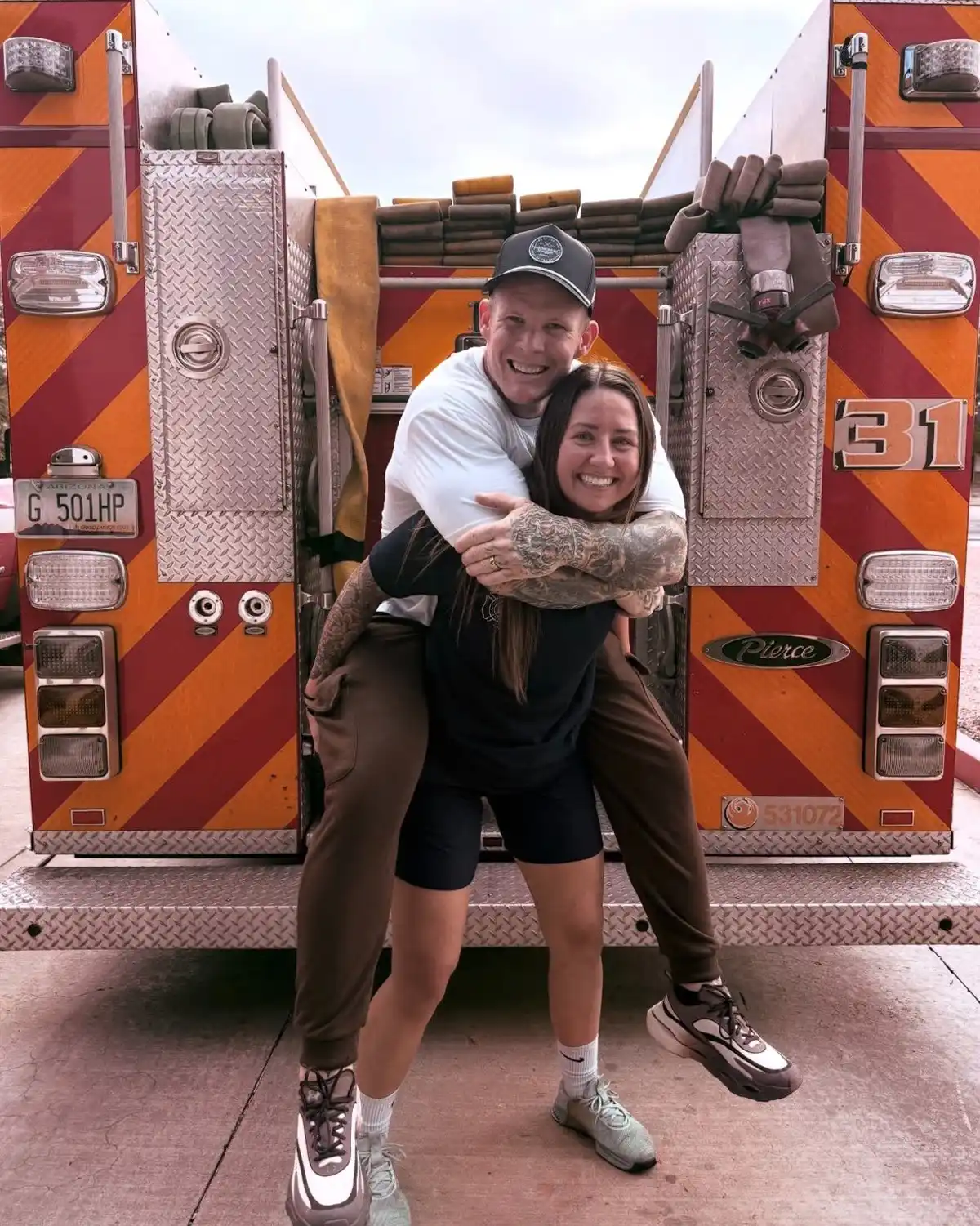
For Junior Coleman and Maddy Geer, helping people in moments of crisis was already part of everyday life.
Both are firefighters in Arizona. Coleman serves with the Surprise Fire-Medical Department, while Geer works for the Phoenix Fire Department. Their careers are built around responding when strangers need help most.
But in 2025, the emergency suddenly became their own.
Coleman, then 30, went from being an active first responder to undergoing dialysis three times every week as a rare kidney disease progressed to stage 5 kidney failure. Eventually, doctors told him he would need a transplant.
And the person who would ultimately give him that chance was already beside him.
The First Signs Seemed Easy to Explain
The warning signs began in the spring of 2025.
Coleman started feeling exhausted much of the time and noticed that his vision had become blurry. For someone accustomed to the physical demands of firefighting, those changes were unusual, but there was little reason at first to suspect just how serious the problem would become.
The eventual diagnosis stunned both Coleman and Geer.
They considered themselves healthy and physically fit. Exercise was a regular part of their lives, and Coleman also underwent the medical evaluations associated with his work as a firefighter.
Yet his kidney disease advanced until he reached stage 5 kidney failure. Dialysis became part of his weekly routine, with treatments required three times a week while he faced the reality that he would eventually need a donor kidney.
For a couple used to being strong enough to rush toward other people’s emergencies, the experience was a reminder that serious illness does not always announce itself clearly.
Coleman was particularly unsettled by what happened with his blood pressure. The physical examinations performed through the fire department had not revealed an obvious problem. His readings could appear normal during medical appointments, yet he said his blood pressure could become dangerously uncontrolled at night.
That unpredictability made the situation even more frightening.
Severe high blood pressure can cause substantial kidney damage in a relatively short time, a connection also noted in the account of Coleman’s illness.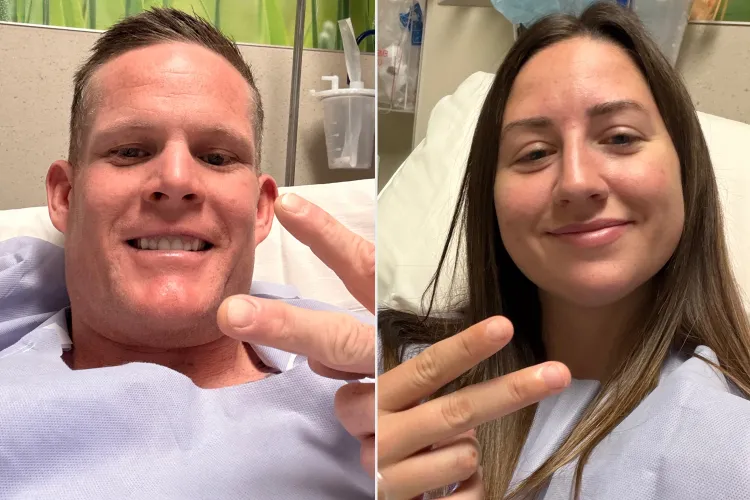
Maddy Didn’t Hesitate
Once it became clear that her husband would need a transplant, Geer’s attention turned immediately to one question: Could she be his donor?
The 29-year-old firefighter decided to be tested.
In her mind, the possibility carried an almost emotional certainty. She believed that if the medical testing showed they were compatible, she would take that as the answer she needed and give Coleman one of her kidneys.
Then the results came back.
She was a match.
It transformed an uncertain search for a donor into an intensely personal act between husband and wife.
Geer wasn’t simply supporting Coleman through dialysis appointments or helping him manage the disruption that kidney failure had brought into their lives. She would undergo major surgery herself so that he could receive the organ he needed.
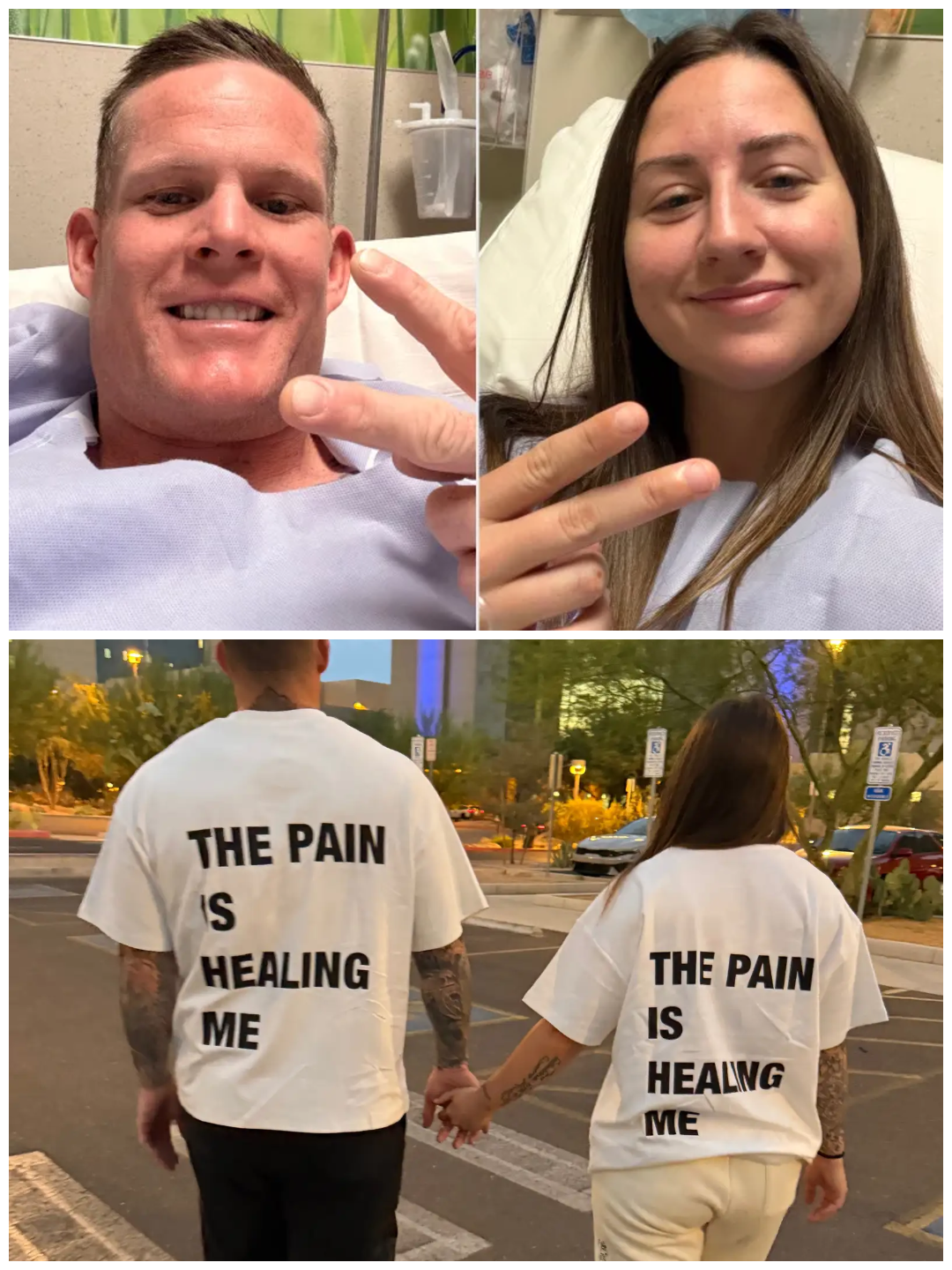
On July 16, the couple underwent the transplant procedures.
Afterward, they returned home to Surprise, Arizona, where they began recovering together.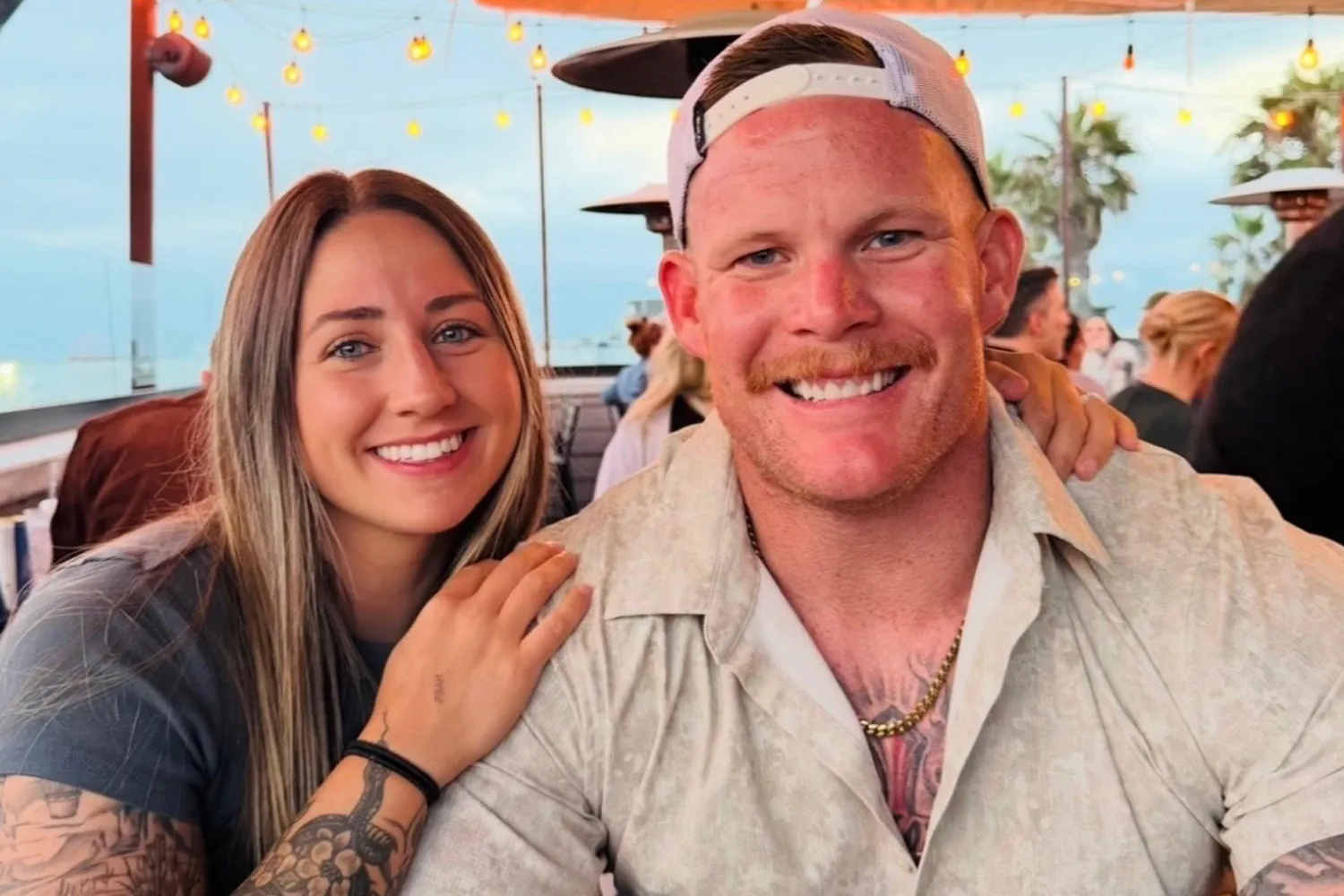
A Difference He Could Feel
For Coleman, the impact of receiving the new kidney was quickly noticeable.
After months of illness and dialysis, he described feeling alive again following the transplant. To him, what his wife had done amounted to receiving another opportunity at life.
Geer, meanwhile, viewed the physical pain of becoming a donor against something much larger: seeing her husband improve.
Knowing that the surgery could help him regain his health made her own discomfort feel worthwhile.
Their professions made the decision especially meaningful. Both had chosen careers centered on helping people through fires, medical emergencies and other dangerous situations. Donating a kidney to the person closest to her was different in scale and intimacy, but Geer connected it to the same instinct that drew them to emergency service in the first place.
Now they share another goal.
Once both have healed sufficiently, Coleman and Geer hope to return to active duty as firefighters.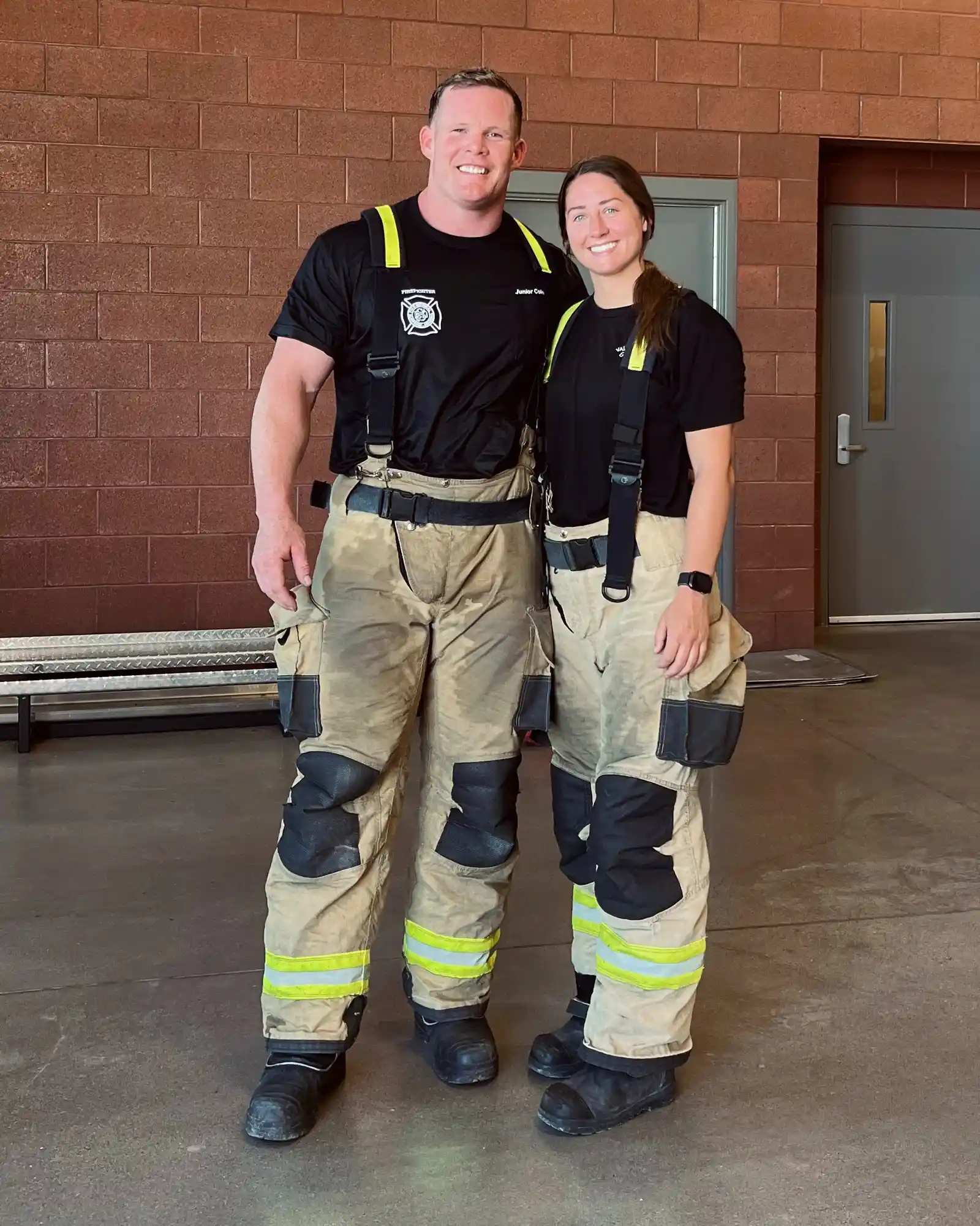
Illness Changed More Than His Health
Coleman’s experience also altered how he viewed himself.
Before becoming sick, he had carried a sense that he was almost indestructible. It is an understandable feeling for someone whose job requires physical strength, endurance and the confidence to enter situations other people are trying to escape.
Kidney failure dismantled that assumption.
The illness showed him how quickly circumstances could change, even when someone appears young, strong and healthy. It also deepened his appreciation for the life he still had and for the woman he had married.
After everything they had endured, Coleman said the experience left him even more certain that he had chosen the right person to share his life with.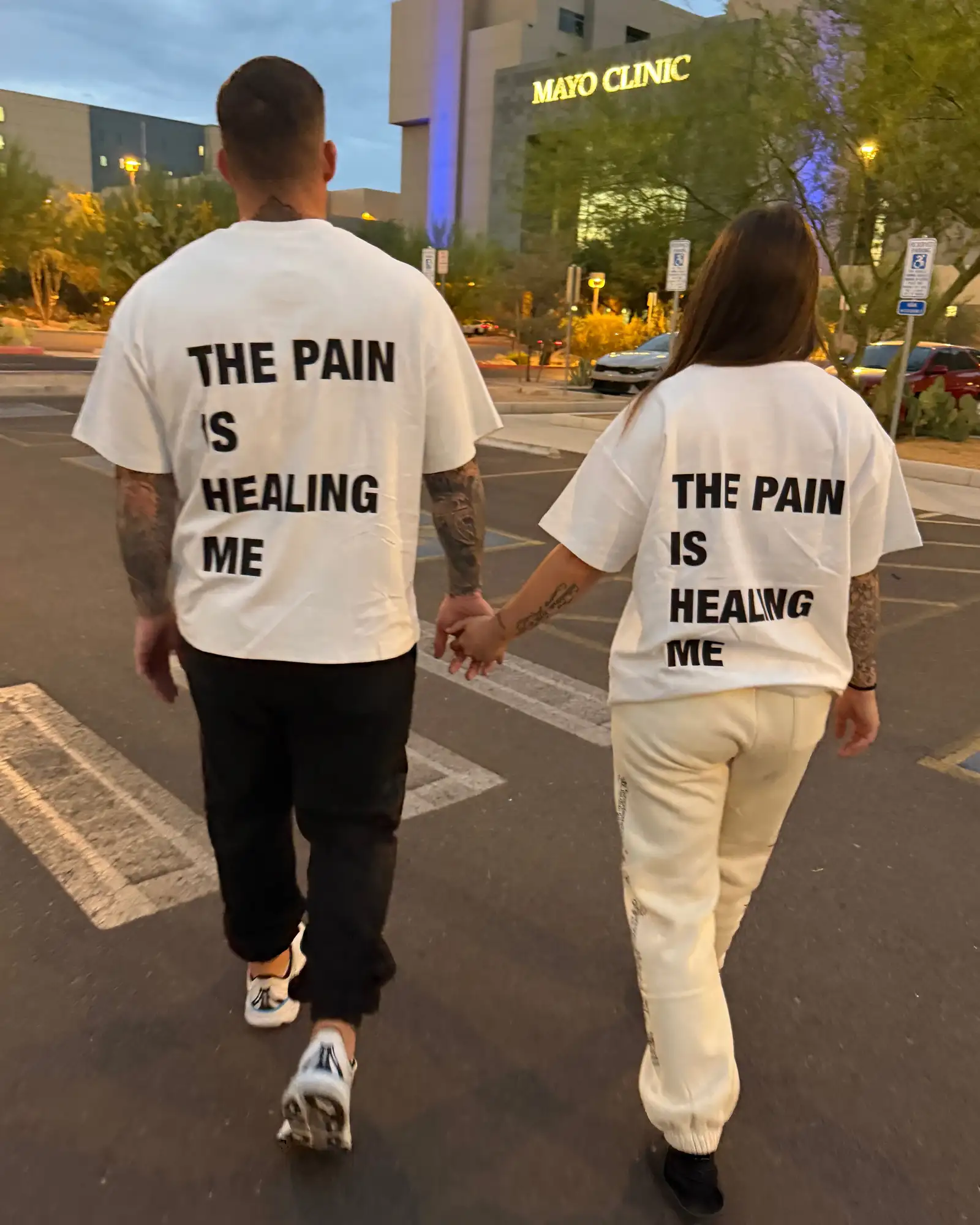
Their Family Is Helping Them Through Recovery
The transplant solved one major medical problem, but recovery created new practical challenges.
Both firefighters needed time away from work while healing, bringing lost income alongside medical bills, travel for appointments and normal household expenses.
Geer’s sister, Caitlin Driscoll, organized a fundraiser to help ease those pressures while the couple recovered. She emphasized that Coleman and Geer had spent their professional lives protecting and serving other people, and that their community now had an opportunity to support them during their own difficult chapter.
For years, Coleman and Geer trained to answer calls for help.
Neither could have predicted that one of the most important rescues of their lives would happen away from a fire engine — or that the person capable of giving Coleman what he desperately needed would be his own wife.
One diagnosis changed their routines, their health and their sense of certainty.
One compatibility test changed what came next.
And as they recover side by side, hoping to eventually put their uniforms back on and return to the work they love, they do so connected not only by marriage and a shared profession, but by a gift that gave Coleman another chance at the life they had built together.