“I’M FINE” — BUT HIS FAMILY SAYS HE WASN’T: THE SILENT STRUGGLE OF 18-YEAR-OLD DAVID CRAWFORD
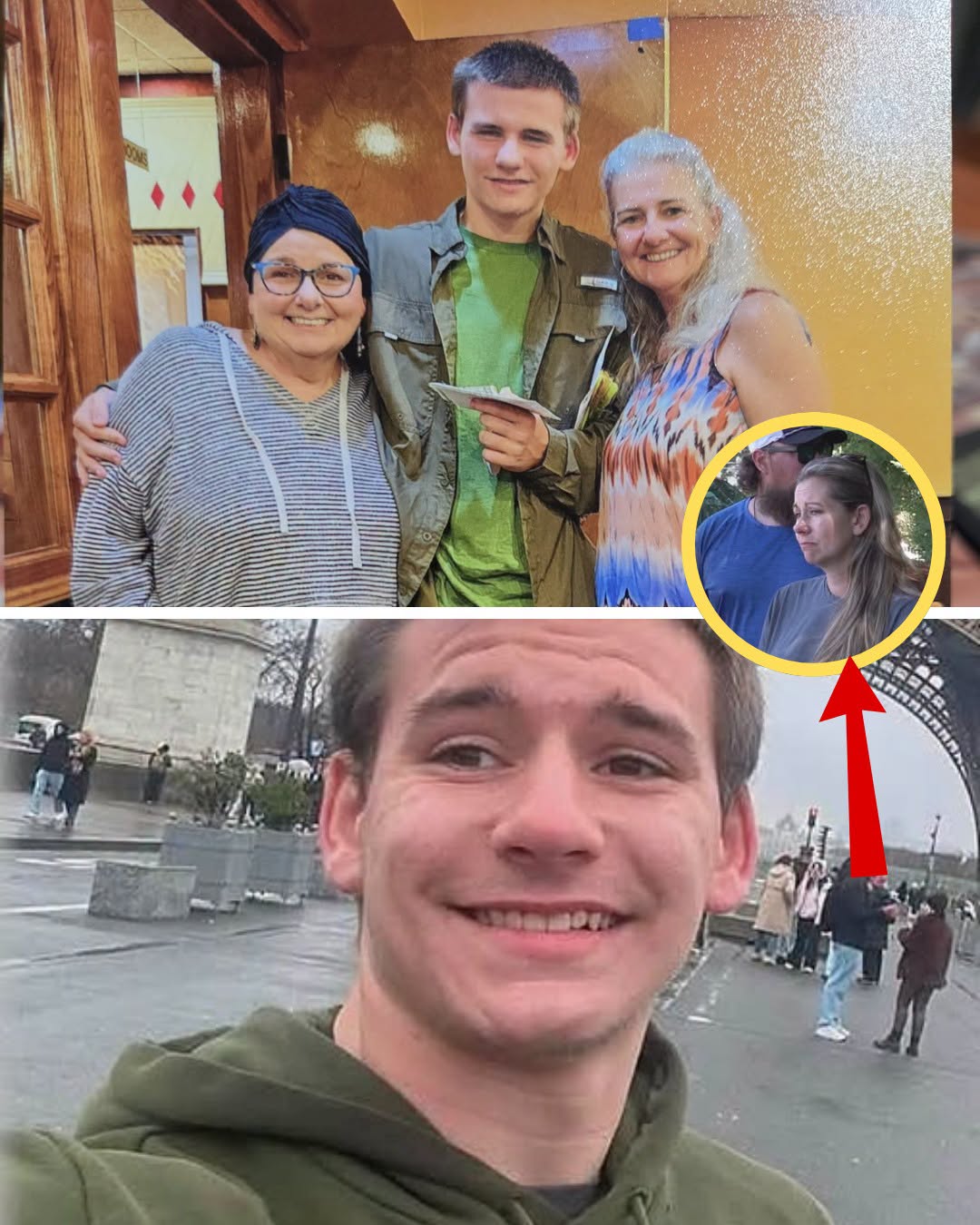
“I’M FINE” — BUT HIS FAMILY SAYS HE WASN’T: THE SILENT STRUGGLE OF 18-YEAR-OLD DAVID CRAWFORD
Sapo: David Crawford’s family says they repeatedly asked the 18-year-old if something was wrong, but he continued to reassure them that everything was fine. After his death, classmates reportedly began sharing information that left his family questioning whether he had been struggling with bullying, social isolation and harassment that he had never fully revealed.
“I’M FINE. DON’T WORRY ABOUT ME.”
To his family, the words sounded reassuring.
David Crawford was reportedly asked more than once whether something was troubling him. His response, according to his mother, remained much the same:
“I’m fine. Don’t worry about me.”
But his family now fears those words may have concealed a very different reality.
The 18-year-old had reportedly begun withdrawing socially after an incident at school the previous year.
At home, however, he could still appear cheerful.
That contrast has left his family wondering how much he was carrying privately.
 A CHANGE HIS FAMILY COULD SEE — BUT COULDN’T EXPLAIN
David’s mother says she noticed changes in her son but struggled to understand what was behind them.
When she tried to ask what was wrong, he would reportedly shut down or reassure her that there was nothing to worry about.
For a parent, that can create a painful dilemma.
How do you help someone who insists they are okay?
And how do you know when silence is simply privacy—and when it may be a sign that someone is struggling?
David’s family says they did what they could to reach him.
But they did not have the full picture.
 WHAT HAPPENED AT SCHOOL?
According to his family, David’s social situation reportedly changed following an incident at school.
They now believe rumors may have spread about him and that other students deliberately excluded or shunned him.
What makes the situation particularly painful for his relatives is that they say they did not understand the extent of what was happening while David was alive.
Only after his death, they say, did people begin coming forward with information about his experiences.
Those accounts have left his family with difficult questions.
THE STORIES THAT CAME TOO LATE
After David’s death, classmates reportedly began speaking about what they believed he had been experiencing.
For his family, these accounts offered pieces of a story they had never fully heard from David himself.
They now believe he may have been dealing with a level of social pressure and emotional pain that he kept hidden from the people closest to him.
But those accounts also highlight an important distinction.
What classmates remember or report after a tragedy may help investigators understand the circumstances, but those accounts still need to be independently assessed and verified.
The family is seeking answers—not assumptions.
A MOTHER LEFT WITH QUESTIONS
For David’s mother, perhaps the most difficult part is knowing that she repeatedly asked.
She wanted to know what was wrong.
She wanted him to talk.
And each time, she says, she received reassurance that he was okay.
Now those conversations carry an entirely different meaning.
The question that remains is not simply what David said.
It is what he may have felt unable—or unwilling—to say.
COULD THE WARNING SIGNS HAVE BEEN RECOGNIZED?
David’s story has raised broader questions about bullying and the difficulty of identifying hidden distress among teenagers and young adults.
Someone experiencing harassment or social isolation may not always tell parents, teachers or friends what is happening.
Some may fear making the situation worse.
Others may feel embarrassed, ashamed or convinced that nobody can help.
And some may continue behaving normally around family members even while struggling privately.
That does not mean every withdrawn young person is experiencing a crisis.
But it does underline why changes in behavior deserve attention—and why young people need safe ways to speak about what is happening to them.
HIS FAMILY IS SEEKING ANSWERS, NOT REVENGE
David’s family says they are not looking for revenge against individual students.
What they want is a clearer understanding of what happened.
They want the circumstances surrounding David’s final months to be properly examined and, if wrongdoing is established, for appropriate accountability to follow.
Most of all, they want to know what their son was experiencing when he repeatedly told them:
“I’m fine.”
THE TWO WORDS THAT NOW SOUND DIFFERENT
For David’s family, those words may never sound the same again.
Because sometimes the person saying “I’m fine” really is fine.
And sometimes it can mean:
I don’t know how to explain what I’m feeling.
I don’t want you to worry.
I don’t know who to trust.
Or simply:
I can’t talk about it yet.
David’s family says they are now trying to understand what was hidden behind those words.
An 18-year-old life ended, leaving a family searching for answers.
His mother says she tried to reach him.
Now, information emerging after his death is prompting questions about what he may have endured at school.
The full circumstances remain important to establish through evidence rather than speculation.
But for those who loved David, one question remains painfully difficult:
How much pain was hidden behind “I’m fine”?
Independent commentary based on information provided by the family and publicly reported accounts. Allegations concerning bullying, harassment or the actions of other students should not be treated as established facts unless confirmed through an appropriate investigation.