“DON’T WORRY ABOUT ME” — THE ANSWER THAT HAUNTS DAVID CRAWFORD’S FAMILY
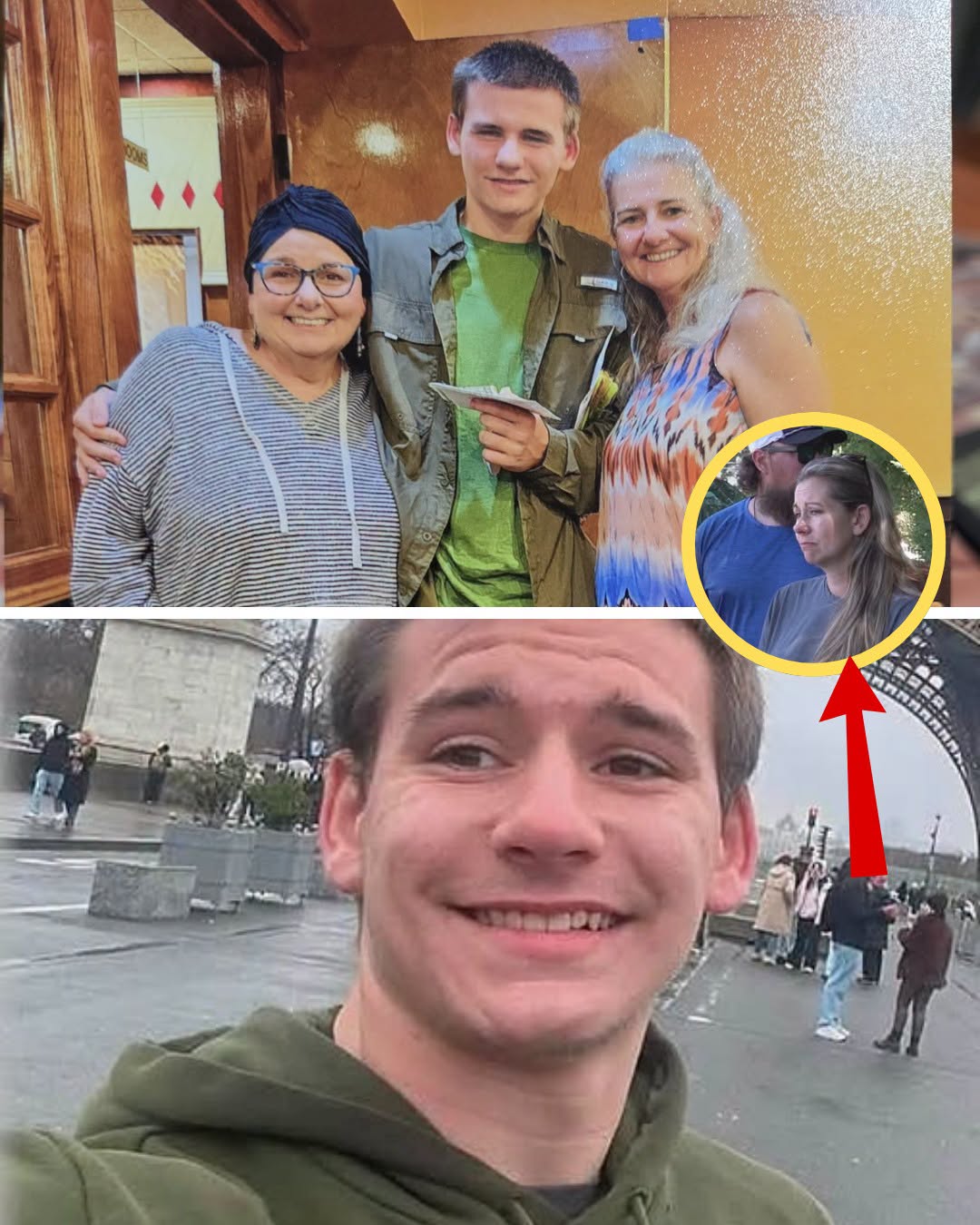
“DON’T WORRY ABOUT ME” — THE ANSWER THAT HAUNTS DAVID CRAWFORD’S FAMILY
Sapo: David Crawford was just 18 when his life came to an end, leaving his family trying to understand what they may have missed. His mother says she repeatedly asked whether something was wrong, but David continued to insist that he was fine. After his death, reports from classmates allegedly revealed a troubling side of his school life that his family says they had never fully known.
HE KEPT SAYING HE WAS FINE
There was one answer David Crawford reportedly gave his family again and again.
“I’m fine. Don’t worry about me.”
To those around him, the words may have sounded like reassurance.
His mother was trying to understand what had changed.
David, 18, had reportedly become more withdrawn following an incident at school the previous year. But when his family tried to ask what was happening, he did not openly explain what he was going through.
Instead, he appeared to keep much of it to himself.
THE CHANGE WAS THERE — BUT THE REASON WASN’T CLEAR
According to his family, David could still appear cheerful at home.
That made the situation even harder to understand.
There were moments when he seemed like the same young man his family knew.
But there were also signs of withdrawal that, in hindsight, now appear far more significant.
His mother says she tried to reach him and give him opportunities to talk.
She says David would sometimes shut down when asked what was wrong.
And then came the same reassurance:
“Don’t worry about me.”
 QUESTIONS ABOUT WHAT HAPPENED AT SCHOOL
David’s family now believes his difficulties may have been connected to what happened after an incident at school.
They say rumors about him may have circulated and that some students allegedly began deliberately excluding him.
These claims have not been independently established in the information currently available.
But they have become an important part of the family’s effort to understand David’s final months.
The situation reportedly became clearer only after his death, when classmates began coming forward with accounts of what they believed David had been experiencing.
THE INFORMATION HIS FAMILY DIDN’T HAVE
For David’s relatives, perhaps the most painful realization is that people may have known pieces of his experience that his own family did not.
After his death, classmates reportedly described aspects of his school life that had not been fully communicated at home.
Those accounts have left his family asking a difficult question:
 Why did they learn about his struggles only after it was too late?
The answer may never be simple.
Young people do not always tell their families when they are being bullied, isolated or humiliated.
Some fear that speaking up will make matters worse.
Others may believe they should deal with the problem alone.
And some simply do not have the words to explain what they are experiencing.
A MOTHER’S QUESTIONS
For David’s mother, the questions are deeply personal.
Did she miss something?
Could someone have recognized what was happening earlier?
Did David believe that telling his family would make things worse?
And most painfully—how much was he carrying while assuring everyone around him that he was okay?
These are questions that cannot be answered through assumptions.
They require a careful examination of what David experienced, who knew about it and what evidence exists.
NOT A CALL FOR REVENGE
David’s family says they are not seeking revenge.
They want the circumstances surrounding his final period of life to be properly investigated.
If evidence establishes that bullying, harassment or other misconduct played a role, they want appropriate accountability.
But they also want something more basic:
the truth.
They want to understand the life David was living away from home—the conversations they never heard, the experiences he never described and the struggles he may have hidden.
WHEN “I’M FINE” MEANS SOMETHING ELSE
David’s story highlights how difficult hidden distress can be to recognize.
A teenager can laugh with friends, attend school, sit at the dinner table and still be struggling with something they cannot bring themselves to discuss.
That does not mean every change in behavior signals a serious crisis.
But it does mean that repeated reassurance should not necessarily end the conversation.
Sometimes the most important response to “I’m fine” is simply:
“You don’t have to be fine with me.”
THE QUESTION DAVID LEFT BEHIND
David was 18.
He was beginning his senior year and, according to those who knew him, still had a life ahead of him.
His family now believes there was another story unfolding beneath the surface—one involving social isolation and experiences at school that he did not fully share.
Whether those experiences contributed to his death remains a question for investigators and evidence to establish.
But his mother is left with the words she heard so many times.
“I’m fine.”
And now, those words have become the starting point for a much harder question:
What if he wasn’t?
David’s family says they are searching for answers—not blame.
📌 Further investigation, verified statements and any official findings will be important in establishing what David experienced before his death.
Independent commentary based on information provided by the family and publicly reported accounts. Claims concerning bullying, harassment or other individuals remain unverified unless established through an appropriate investigation.