“ONE OF THE HARDEST DAYS IN COURT” — EMOTIONAL TESTIMONY SHAKES LINDSAY CLANCY TRIAL
“ONE OF THE HARDEST DAYS IN COURT” — EMOTIONAL TESTIMONY SHAKES LINDSAY CLANCY TRIAL
The Lindsay Clancy trial entered another deeply emotional phase as medical examiners testified about the deaths of her children, Cora and Dawson. The evidence proved difficult for those inside the courtroom, with reports that jurors became visibly emotional and Clancy herself struggled to remain in the courtroom as proceedings continued.
A COURTROOM UNDER EXTRAORDINARY EMOTIONAL PRESSURE
What was already one of the most closely watched criminal trials in Massachusetts became even more difficult as medical evidence was presented to the jury.
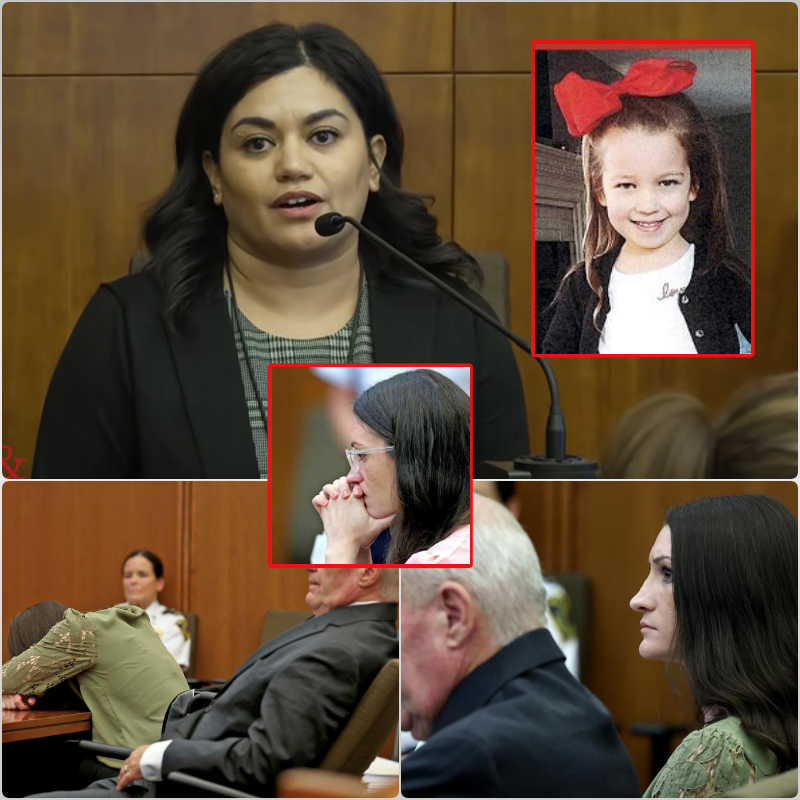
Medical examiners took the stand to discuss findings relating to the deaths of Clancy’s children.
The testimony formed part of the prosecution’s broader presentation of evidence as jurors continue to hear competing accounts of what happened on January 24, 2023.
The nature of the evidence made the proceedings particularly difficult for everyone involved.
CLANCY BECOMES OVERWHELMED
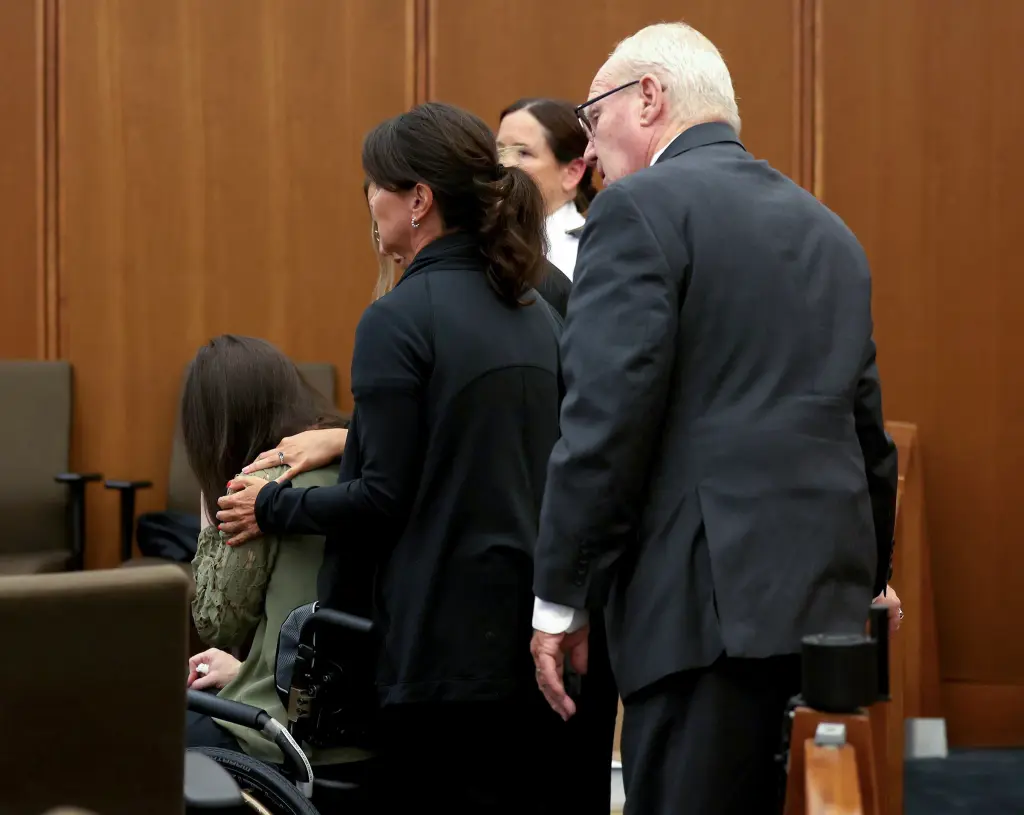
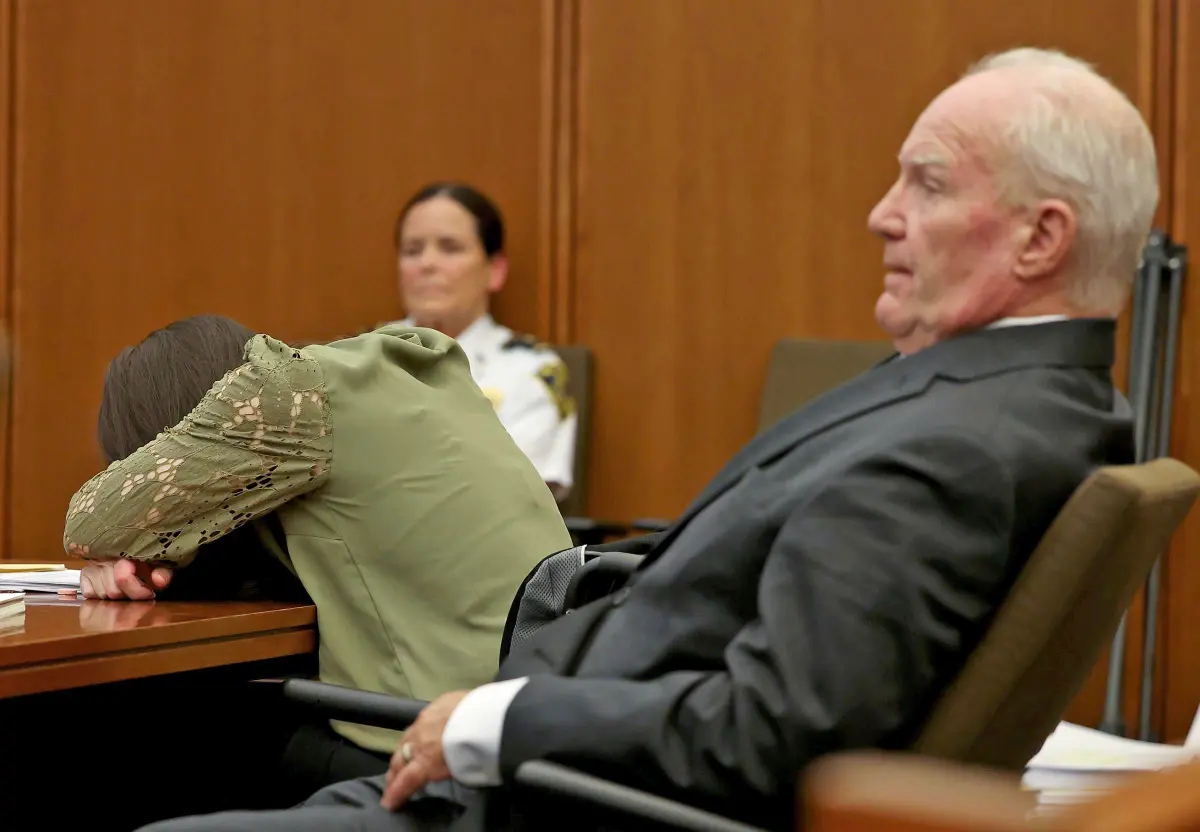
Lindsay Clancy reportedly became visibly distressed during the proceedings.
At points, she indicated that she could not continue, prompting the judge to call breaks in the testimony.
The emotional reaction came as jurors were being asked to process detailed medical evidence concerning the children.
Courtroom observers have described the atmosphere as unusually tense and emotional.
But despite the intensity of the proceedings, the jury must ultimately separate the emotional impact of the evidence from the legal questions it has been asked to decide.
MEDICAL EXAMINERS PRESENT THEIR FINDINGS
The medical testimony is an important component of the prosecution’s case.
Experts have been called upon to explain the medical findings and the circumstances surrounding the children’s deaths.
For jurors, the testimony provides another piece of the evidentiary record they must consider alongside witness accounts, digital evidence, medical records and psychiatric testimony.
The defense has offered a different interpretation of Clancy’s condition, arguing that severe mental illness affected her state of mind and criminal responsibility.
 TWO COMPETING EXPLANATIONS
At the heart of the trial is a fundamental disagreement between the prosecution and defense.
Prosecutors contend that Clancy should be held criminally responsible for the deaths of her children.
The defense has argued that Clancy was experiencing a severe psychiatric crisis, including postpartum mental illness, and that her mental state should be considered when determining her criminal responsibility.
That dispute means the trial is examining not only what happened, but also what was happening inside Clancy’s mind at the time.
 THE FIRST RESPONDERS WHO ARRIVED THAT NIGHT
Attention has also returned to the emergency responders who arrived at the Duxbury home following the tragedy.
First responders were confronted with an extraordinarily difficult scene.
Their actions that night have subsequently drawn recognition from people who have followed the case, particularly because they were required to respond professionally under deeply distressing circumstances.
Their experiences also form part of the wider human story surrounding the case—one that extends beyond the courtroom and the legal arguments.
WHY THE MEDICAL EVIDENCE MATTERS
The testimony from medical experts is significant because jurors cannot simply rely on assumptions about how the deaths occurred.
They must consider the findings presented by qualified experts and determine how those findings fit with the remainder of the evidence.
The prosecution and defense may interpret the same evidence differently.
Ultimately, however, it is the jury that must decide which interpretation is supported by the evidence and applicable law.
A TRIAL THAT CONTINUES TO TEST THE COURTROOM
The proceedings have repeatedly placed extraordinary emotional pressure on everyone involved.
For the victims’ loved ones, the testimony revisits an unimaginable loss.
For Clancy, the proceedings involve confronting evidence concerning her children while simultaneously defending herself against serious criminal charges.
For jurors, the challenge is to remain focused despite the emotional weight of what they are hearing.
And for the court, maintaining a fair and orderly process remains essential.
WHAT COMES NEXT?
The trial is not decided by one emotional moment or one piece of testimony.
Jurors are expected to hear additional evidence, including expert opinions and arguments from both sides.
The defense will continue presenting its explanation of Clancy’s mental state, while prosecutors will continue arguing their case concerning criminal responsibility.
Only after the evidence has been fully presented will the jury be asked to reach its verdict.
Behind the legal arguments are children whose deaths have left an enormous impact on their family, first responders and the wider community.
The courtroom’s task now is to examine the evidence carefully, despite its emotional weight.
More courtroom developments, medical testimony and updates from the Lindsay Clancy trial are in the comments.
Independent commentary based on publicly reported court proceedings. The prosecution and defense have presented competing arguments, and allegations should not be treated as established facts unless determined by the court.