WESLEY PURKEY’S FINAL HOURS — A CHILLING CASE OF CRIME, CONTROVERSY AND DEATH
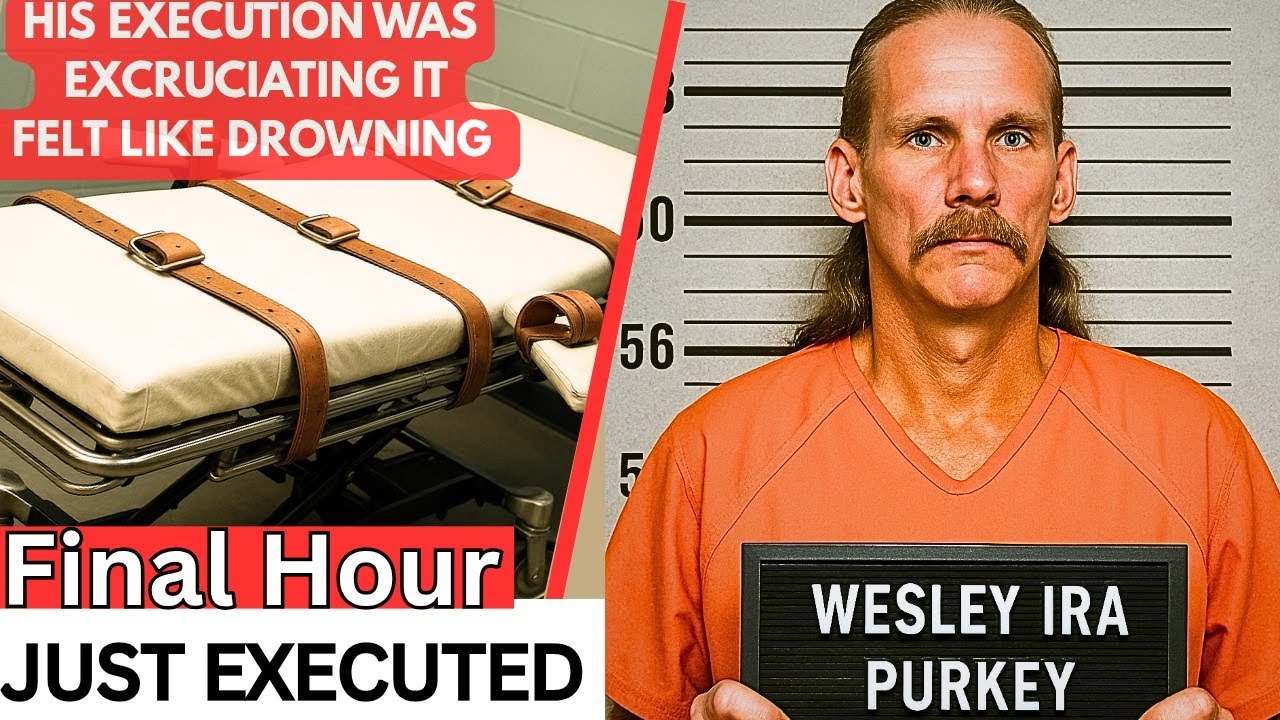
WESLEY PURKEY’S FINAL HOURS — A CHILLING CASE OF CRIME, CONTROVERSY AND DEATH
For more than two decades, Wesley Ira Purkey’s name remained tied to one of the most disturbing federal murder cases in the United States.
On July 16, 2020, after years of appeals and legal battles, Purkey was executed by the federal government at the U.S. Penitentiary in Terre Haute, Indiana.
But his final hours were surrounded by controversy.
Questions about his mental condition, last-minute court battles and later concerns about the execution itself made his death far more complicated than a simple final chapter to a criminal case. (Department of Justice)
THE CRIME THAT PUT HIM ON DEATH ROW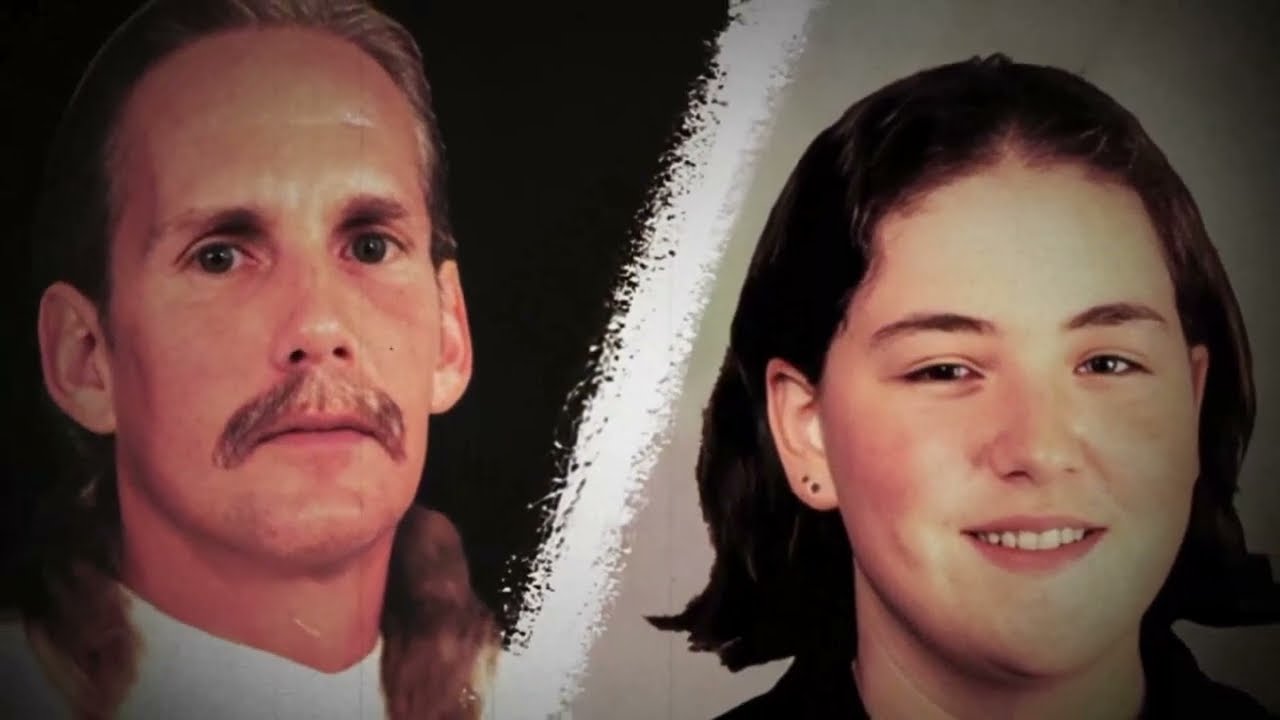
Purkey was convicted of the 1998 kidnapping, rape and murder of 16-year-old Jennifer Long.
According to court records, Long entered Purkey’s truck before he threatened her with a knife and drove her across state lines. Prosecutors said he later killed her and attempted to conceal her remains. (Justia Law)
But the case against Purkey did not end with Long’s murder.
He was also serving a life sentence in Kansas for the killing of 80-year-old Mary Ruth Bales.
That second murder became another devastating part of his criminal history. (The Guardian)
THEN CAME THE LEGAL BATTLE
Purkey’s death sentence was challenged repeatedly.
His attorneys argued that he suffered from serious mental and neurological problems and questioned whether he was competent to be executed.
Among the most significant claims was that Purkey had Alzheimer’s disease and cognitive impairment that prevented him from rationally understanding why the government was executing him.
The issue became especially urgent as his execution date approached.
A federal judge temporarily halted the execution on July 15, 2020, after his lawyers raised those concerns.
But the legal battle did not end there.
The federal government immediately appealed.
And the case eventually reached the Supreme Court. (The Guardian)
A DECISION IN THE MIDDLE OF THE NIGHT
In the early morning hours of July 16, the Supreme Court cleared the way for the execution to proceed.
The decision came after a series of late-night legal developments that removed the final barriers to carrying out the death sentence. (Death Penalty Information Center)
Purkey had originally been scheduled to die on July 15.
Instead, the execution was delayed into the following morning.
Then the final decision arrived.
There would be no further delay.
THE EXECUTION
Purkey was taken to the execution chamber at the federal prison complex in Terre Haute.
He received a lethal injection.
At 8:19 a.m., Wesley Purkey was pronounced dead.
The U.S. Department of Justice confirmed that the execution had been carried out pursuant to the federal death sentence imposed in his case. (Department of Justice)
But even after his death, the controversy continued.
WHAT HAPPENED DURING THE EXECUTION?
Weeks later, questions emerged about whether Purkey may have experienced severe physical distress during the lethal injection.
An autopsy reportedly found significant fluid accumulation in his lungs and airways.
His attorneys argued that the findings suggested he may have experienced a sensation similar to drowning.
The federal government disputed that interpretation and maintained that the execution was carried out humanely. (Wikipedia)
The dispute added another layer of controversy to an already heavily contested case.
A FINAL QUESTION ABOUT CAPITAL PUNISHMENT
Purkey’s case ultimately became about much more than the crimes for which he was convicted.
It raised difficult questions about mental competency, the rights of death-row prisoners and what happens when an execution proceeds while serious legal challenges remain unresolved.
Supporters of the sentence pointed to the brutal crimes and the suffering of the victims’ families.
Opponents focused on the questions surrounding Purkey’s mental state and the circumstances of his final hours.
Both sides remained deeply divided.
THEN, EVERYTHING WENT SILENT
After years of appeals, hearings and legal battles, there was nothing more Purkey could do.
The Supreme Court had cleared the way.
The execution proceeded.
At 8:19 a.m., it was over.
But the questions surrounding his mental condition and the execution itself did not disappear.
That is what makes Wesley Purkey’s final hours so haunting.
A man convicted of horrific crimes was executed after decades of legal battles — but the controversy over his final moments continued long after the execution chamber fell silent.
And perhaps the most difficult question remains:
When the punishment is irreversible, how certain must the system be before it finally crosses that line?