DNA MATCH EXPOSED A COLD-BLOODED KILLER AFTER 7 YEARS

DNA MATCH EXPOSED A COLD-BLOODED KILLER AFTER 7 YEARS
Seven years.
That was how long investigators waited for the breakthrough that would finally breathe new life into a murder investigation that had gone cold.
There were no dramatic confessions. No unexpected witness suddenly appearing at a police station.
Instead, the case turned on something far quieter — DNA evidence.
A tiny biological trace, preserved for years, ultimately became the key investigators needed to identify a suspect and reopen questions that had remained unanswered for far too long.
THE CASE THAT REFUSED TO DISAPPEAR
When the original investigation began, detectives were confronted with a crime scene that offered frustratingly few answers.
The victim was gone.
The suspect was nowhere to be found.
And despite painstaking investigative work, authorities could not immediately determine who was responsible.
As months became years, the case slowly moved into the category investigators dread most:
a cold case.
But investigators never completely stopped looking.
Evidence collected during the original investigation remained preserved.
And that decision would eventually prove critical.
THEN TECHNOLOGY CHANGED THE CASE
Years later, forensic testing had advanced.
Investigators returned to evidence that had previously produced little or no usable information.
This time, the results were different.
A DNA profile was developed and compared against available databases.
Then came the moment investigators had been waiting for.
A match.
The biological evidence was no longer just an unidentified profile.
It potentially pointed investigators toward a specific individual.
A case that had remained frozen for seven years suddenly had a new direction.
ONE MATCH — YEARS OF QUESTIONS
For investigators, a DNA match does not automatically mean a case is solved.
The evidence still has to be verified.
Detectives must establish how the DNA arrived at the scene, whether there is an innocent explanation and whether other evidence supports the theory.
But when forensic evidence aligns with the broader investigation, it can become extraordinarily powerful.
In this case, the DNA breakthrough gave authorities something they had been missing for years:
a lead that could be tested.
THE COLD CASE COMES BACK TO LIFE
What makes cases like this so remarkable is the passage of time.
Seven years can change almost everything.
Witnesses move.
Memories fade.
People change jobs and addresses.
Evidence can become harder to interpret.
Yet DNA can remain.
A microscopic trace can survive long after the people connected to a crime have moved on.
And sometimes, that trace is enough to reopen an investigation that everyone thought might never be solved.
THE MOMENT THE PAST CAUGHT UP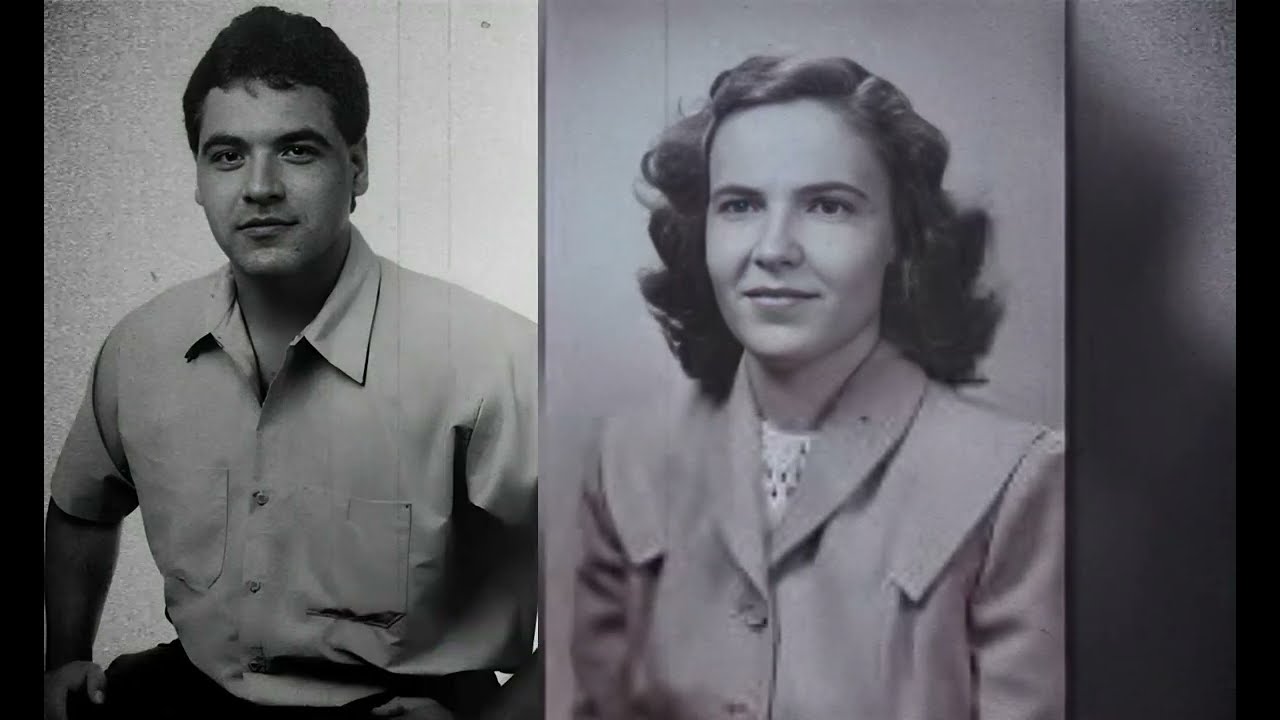
For the person investigators eventually identified, the passage of seven years may have created the illusion that the case was behind them.
But forensic science does not forget.
Evidence collected years earlier can be tested again with technology that did not exist — or was not advanced enough — when the crime occurred.
That is precisely why cold-case investigators continue to preserve evidence.
Because the breakthrough may not come today.
It may not come tomorrow.
It could come years later.
A WARNING FROM THE LAB
The case is also a powerful reminder that modern forensic science is changing the way investigators approach unsolved murders.
DNA databases, improved laboratory techniques and increasingly sophisticated forensic analysis have given detectives new tools to revisit evidence once considered inconclusive.
A case that once seemed to have reached a dead end can suddenly become active again.
And a person who believed the passage of time had erased the evidence may discover that the opposite was true.
The evidence was waiting.
Seven years after the crime, a DNA match reportedly changed the direction of the investigation.
What investigators could not establish at the beginning, technology eventually helped bring back into focus.
And for the victim’s loved ones, that breakthrough represents something far more important than forensic science.
It represents the possibility of answers.
Because sometimes a case doesn’t truly go cold.
It simply waits for the evidence to speak.