Melissa Gilbert Says Hayden Panettiere’s Death Should Force Hollywood to Rethink How It Treats Child Stars
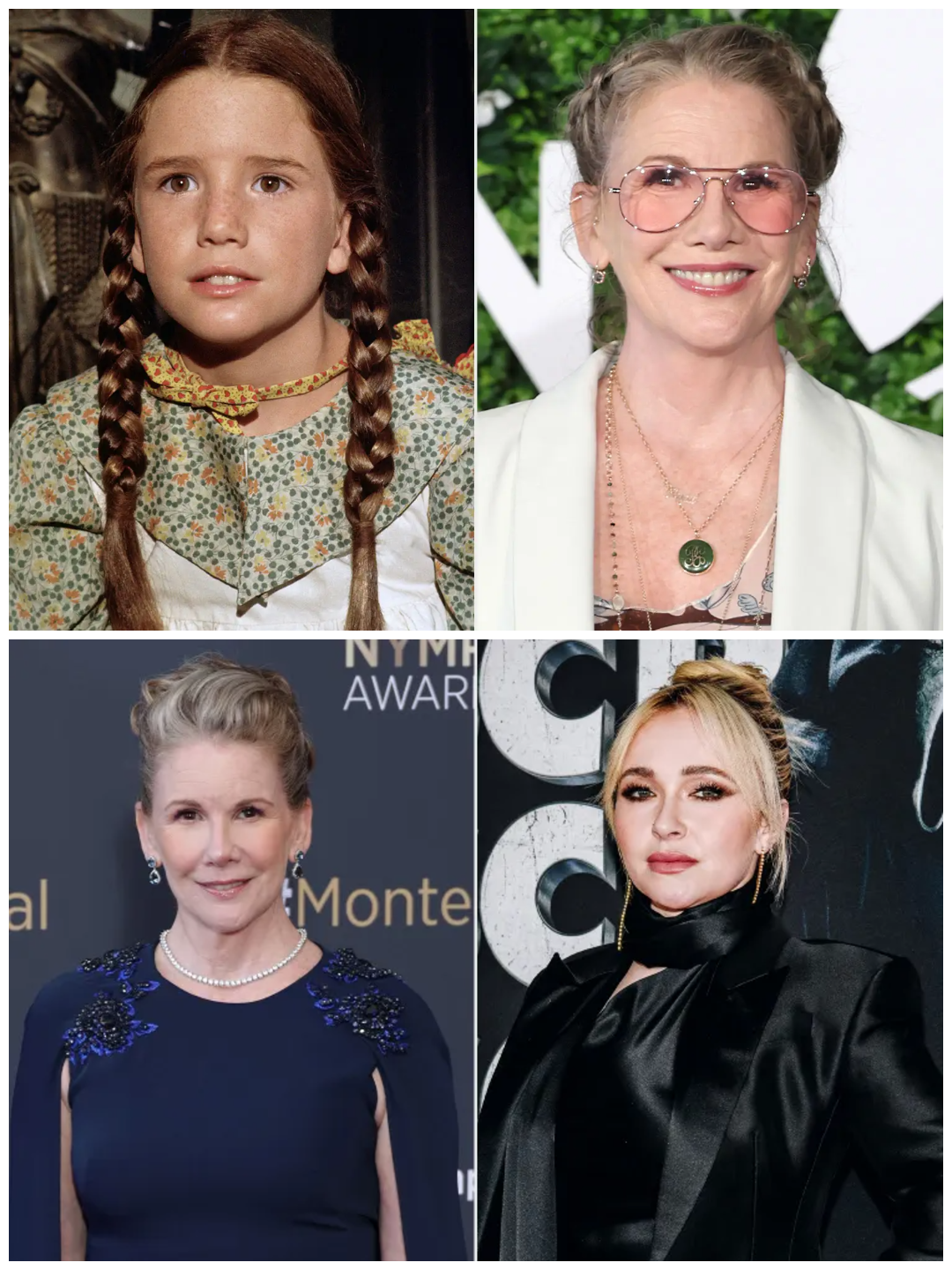
Melissa Gilbert spent much of her childhood doing something most children never have to do: showing up for work no matter what was happening in her life.
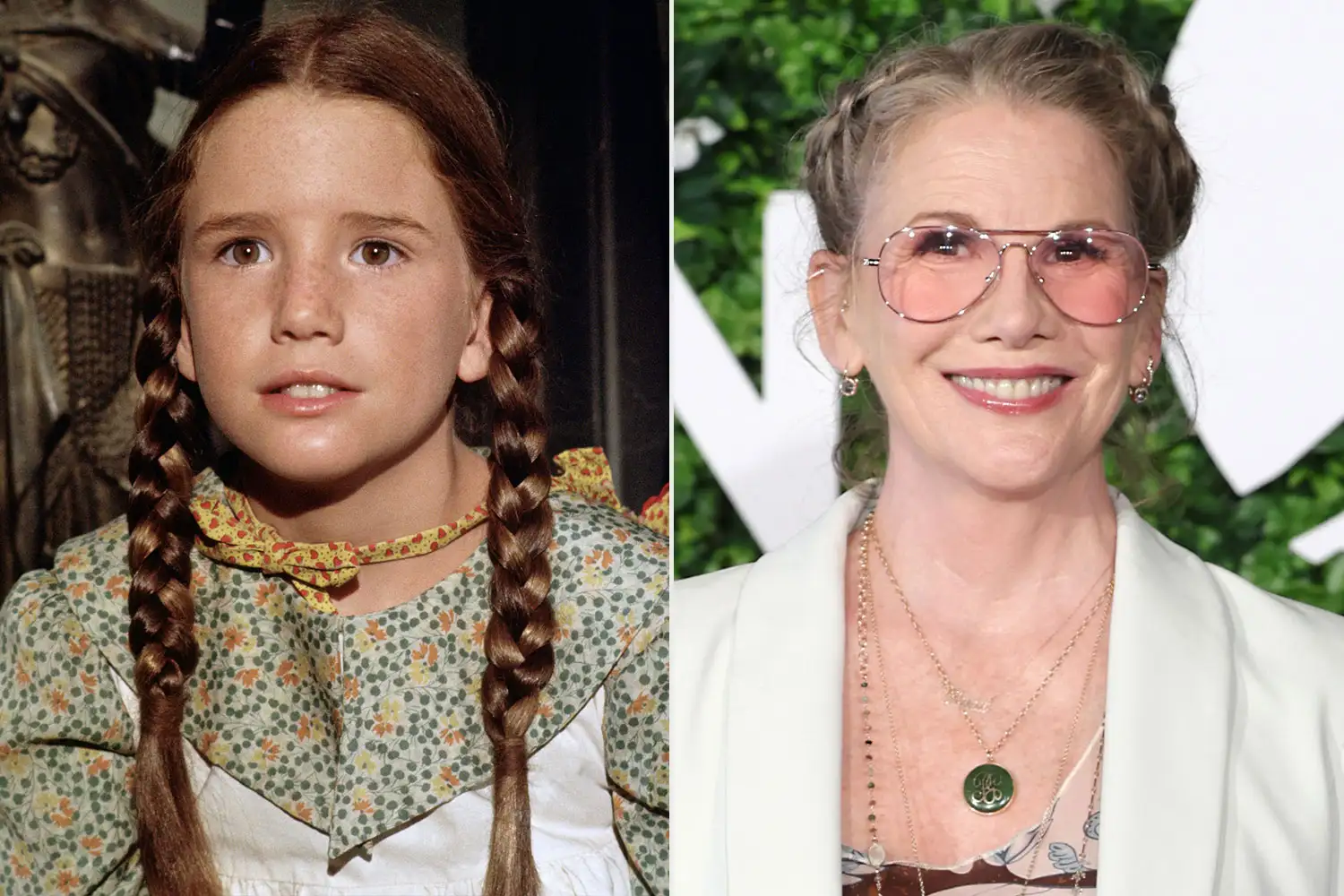
She became famous as Laura Ingalls on Little House on the Prairie, growing up in front of cameras while millions of viewers watched.
Now, at 62, Gilbert is looking back at that experience through a much darker lens.
Following the recent deaths of former child stars Hayden Panettiere, Daveigh Chase and Michelle Trachtenberg, Gilbert has issued an emotional call for Hollywood to do more to protect young performers — not only from exploitation, but from the pressure to behave like adults before they are ready.
“I did not know Hayden personally and only worked briefly with Mishy and Daveigh,” Gilbert wrote in a personal essay published Aug. 22. “It feels personal because I was them.”
For Gilbert, the issue is not simply about three tragic deaths.
It is about a culture she believes has asked children to tolerate pain, exhaustion and scrutiny in the name of professionalism for far too long.
“When Three of Us Die So Close Together, Something Is Very, Very Wrong”
Gilbert grouped herself with generations of women who started working as children, naming performers including Tatum O’Neal, Jodie Foster, Drew Barrymore, Dakota Fanning, Elle Fanning and her own sister, Sara Gilbert.
She described former female child performers as a kind of shared “tribe.”
When one dies, she wrote, the loss is felt by the others.
When several die in a relatively short period, she believes it should force the industry to examine what young performers experience behind the scenes.
Panettiere died on Aug. 16, 2026, at age 36. She had begun acting as a young child and later became known for roles in Heroes, Nashville and Scream.
Trachtenberg, who also started acting young, died in February 2025 at 39.
Chase, known for childhood roles including The Ring, died in June 2026 at 35.
Gilbert did not suggest that child stardom alone explained their deaths.
Her point was broader.
She believes young performers can be conditioned early to ignore their own physical and emotional needs, and that those patterns can stay with them long after childhood ends.
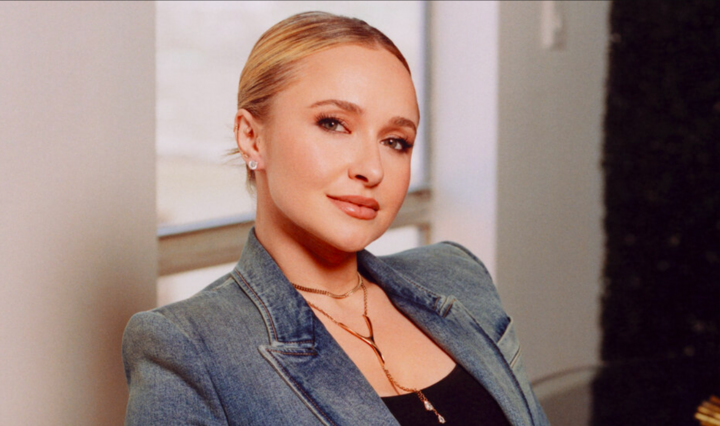
Gilbert Says She Learned to Work Through Almost Anything
To explain what she means, Gilbert turned to her own childhood.
She described what she calls “Doctor Show Syndrome” — the culture of pushing ahead with work even when a performer is sick, injured or emotionally overwhelmed.
Gilbert said she repeatedly worked under circumstances when a child ordinarily might have been allowed to stop.
One of her most painful memories involves the death of her father.
Gilbert was only 11.
She returned to work on Little House on the Prairie within months, she said, but no adult on the set spoke to her about the loss or even offered condolences.
She later learned that people feared discussing her father might upset her too much to work.
That experience, Gilbert believes, helped teach her a dangerous lesson:
Keep going, regardless of what you are feeling.
Do not become a problem.
Do not hold up production.
Do not appear difficult.
It was a pattern she says followed her into adulthood.

She Once Returned to Work Three Days After Emergency Surgery
Gilbert offered another example from later in her career.
While shooting a movie in Oregon, she needed an emergency appendectomy.
Three days later, she returned to work.
She said she felt guilty about disrupting the production schedule and worried about being seen as unreliable.
But her body had not recovered.
Within days, Gilbert developed a severe fever. She continued working until her scenes were completed, then flew home.
She was hospitalized almost immediately and said she was hallucinating from the fever and close to developing sepsis.
Looking back, Gilbert now sees that behavior as part of something she learned very young.
Actors, especially child actors, can be trained to believe that professionalism means suppressing pain.
Missing work can feel like failure.
Saying no can feel dangerous.
Needing help can feel like weakness.
For a child whose livelihood may also be supporting parents or other relatives, the pressure can become even heavier.
“These Young Professionals Are Children”
That distinction is at the center of Gilbert’s argument.
A child actor may have call times, contracts, agents and paychecks.
But Gilbert says none of that changes the fact that the performer is still a child.
She believes young actors should be allowed to refuse work that causes physical or emotional harm.
They should be allowed to rest.
They should not be responsible for financially supporting an entire household.
And they should not be subjected to relentless attention from cameras, phones and invasive media coverage simply because they became recognizable at an early age.
The environment is, in some ways, even more difficult now than when Gilbert was growing up.
A young star in the 1970s could leave a set and at least temporarily escape public attention.
Today, a child can be photographed, recorded, criticized and discussed online almost continuously.
Social media has erased much of the boundary between a performer’s professional life and private life.
Gilbert believes Hollywood needs to respond to that reality.
She Wants Free Mental Health Support for Child Actors
Gilbert did not stop at criticism.
She proposed several areas where the entertainment industry could take action.
Among them: conversations with studio and network executives about reducing exploitation of young performers.
She also called for accessible, free mental health services for child actors.
That kind of support could give young performers a place to process pressures they may not feel comfortable discussing with employers, parents or managers.
Gilbert also wants stronger efforts to shield children from intrusive media scrutiny.
Her larger point is that protection should not begin only after a young actor is already struggling.
It should be built into the system from the beginning.
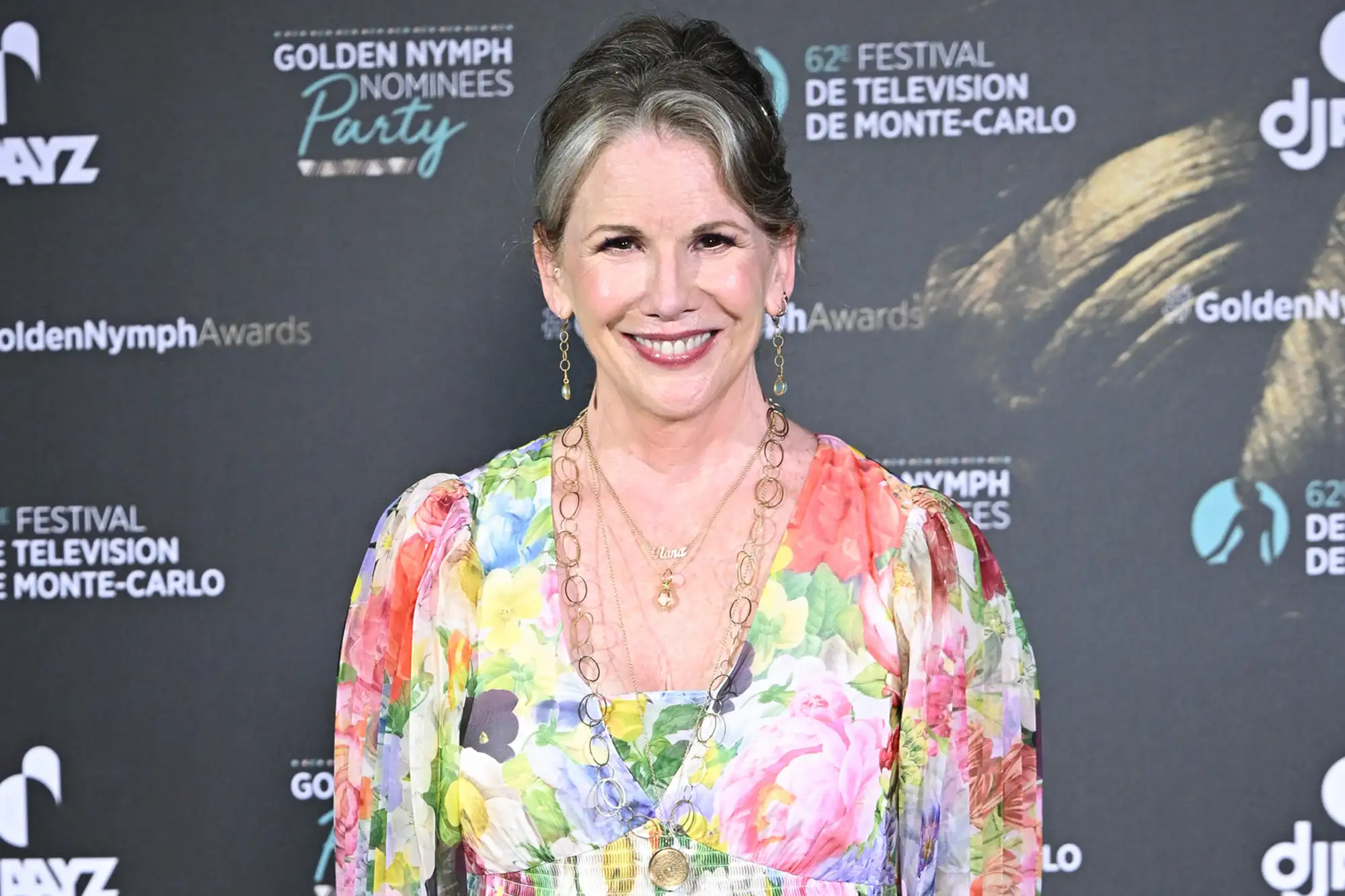
Hayden Panettiere’s Daughter Made the Issue Personal
Toward the end of her essay, Gilbert’s focus returned to Panettiere.
Panettiere left behind an 11-year-old daughter, Kaya.
That detail hit Gilbert especially hard.
Gilbert was also 11 when her own father died.
She wrote that she could not stop thinking about a little girl now facing the loss of her mother at the same age when she experienced a defining loss of her own.
The parallel overwhelmed her.
Gilbert said she was crying as she wrote and wanted to “scream from the rooftops” that enough was enough.
It is an emotional conclusion, but it also explains why she chose to speak now.
She is not approaching the issue solely as a former television star.
She is looking at it as someone who remembers what it felt like to be 11 years old, grieving, and still expected to function professionally.

A Different Way to Think About Child Stardom
Hollywood has often treated successful child actors as unusually mature.
They memorize scripts.
They hit marks.
They work long days alongside adults.
They attend premieres and interviews and learn early how to behave in public.
But Gilbert is arguing that competence should not be confused with emotional adulthood.
A child who can carry a television series is still a child.
A teenager who can handle a red carpet may still need privacy, rest and protection.
And a young performer who appears professional may still be struggling in ways adults around them fail to notice.
Gilbert cannot change what happened during her own childhood.
She cannot change the lives or deaths of Panettiere, Chase or Trachtenberg.
What she hopes can change is what happens to the next generation.
Her message is ultimately simple.
Hollywood has spent decades teaching child stars how to work like adults.
Gilbert believes it is time the industry became equally serious about allowing them to remain children.