PRESTON DAVEY: THE INJURY PATTERN THAT BECAME CENTRAL TO THE CASE
PRESTON DAVEY: THE INJURY PATTERN THAT BECAME CENTRAL TO THE CASE
The case of 13-month-old Preston Davey took a devastating turn when medical experts presented evidence showing that the baby had suffered more than 40 injuries before his death.
According to evidence presented in court, some of those injuries were consistent with having occurred weeks before the final incident, raising serious questions about what Preston experienced while in the care of those responsible for him.
The medical findings became a crucial part of the prosecution’s case.
 WHAT DID THE MEDICAL EVIDENCE SHOW?
Prosecutors presented evidence that Preston’s injuries were not limited to a single event.
Experts examined the pattern, timing and nature of the injuries as investigators attempted to reconstruct what happened during the final period of the baby’s life.
The evidence painted a deeply troubling picture of a child who had suffered repeated harm.
But one of the most important findings concerned the cause of Preston’s death.
Medical experts determined that he died from an acute upper-airway obstruction.
That finding contradicted Jamie Varley’s account that Preston had accidentally drowned in a bath.
THE EVIDENCE THAT CHANGED THE CASE
The contrast between Varley’s explanation and the medical findings became a central issue during the proceedings.
Rather than accepting the account of an accidental drowning, the court heard medical evidence pointing to a different mechanism of death.
The prosecution also relied on the wider pattern of injuries to argue that what happened to Preston could not be understood as an isolated accident.
 A BABY AT THE CENTER OF A DEVASTATING CASE
Preston was only 13 months old.
He depended entirely on the adults around him for protection, care and safety.
The evidence presented in court raised difficult questions about how repeated injuries could have occurred and whether warning signs were missed before the final tragedy.
THE CONVICTION
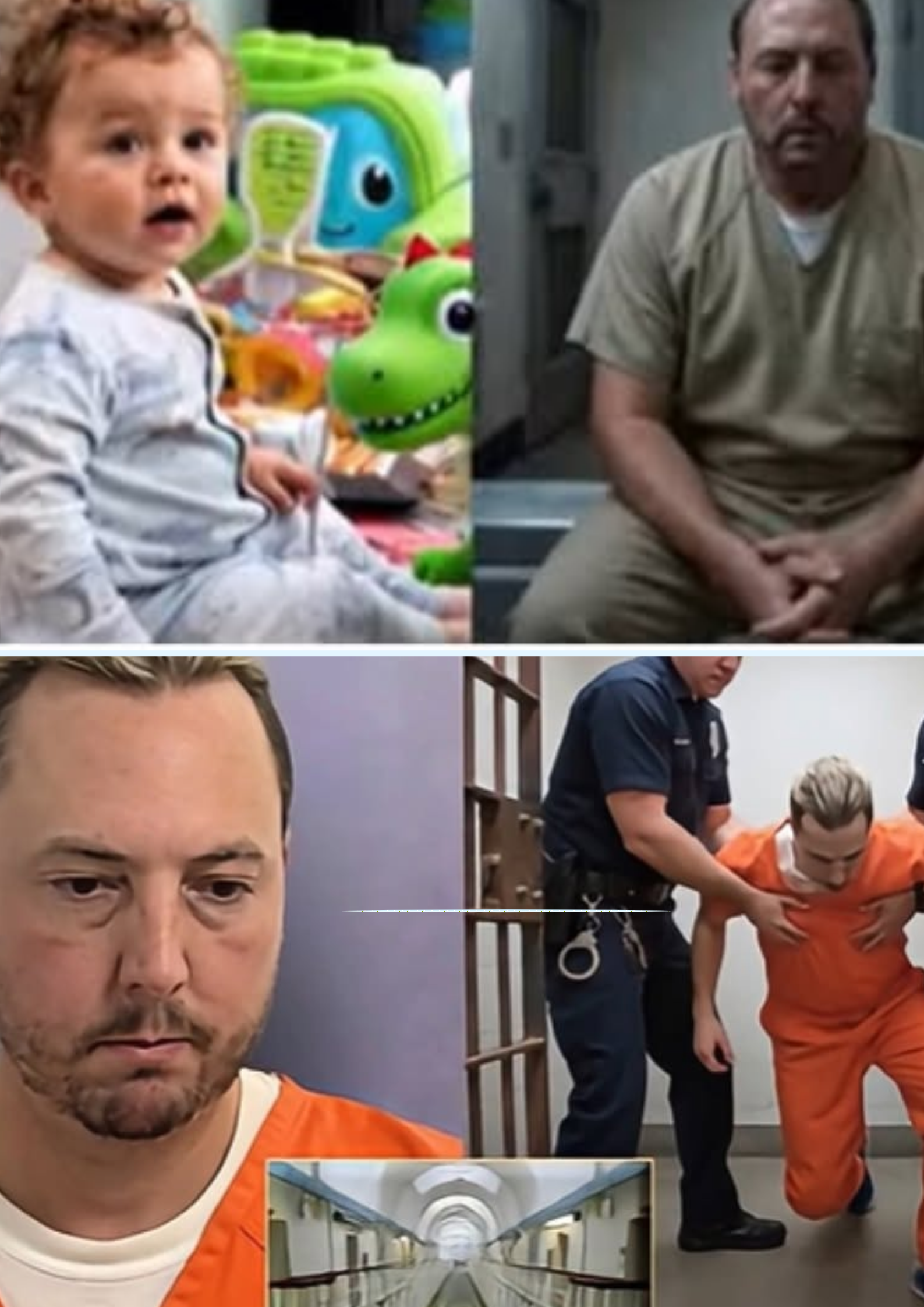
Jamie Varley was ultimately convicted of murder and later received a whole-life order, meaning he is expected to spend the remainder of his life in prison.
The case has also prompted wider discussion about safeguarding, the detection of injuries in vulnerable children and whether intervention could have happened sooner.
MORE THAN 40 INJURIES. ONE LIFE CUT SHORT.
The most important questions surrounding Preston Davey’s case are not about sensational claims or online speculation.
They are about the evidence presented in court:
How did Preston suffer so many injuries?
When did they occur?
And why were the warning signs not stopped before it was too late?
Those questions continue to make Preston’s case one of the most disturbing child-protection cases to reach the courts.