A66 TRAGEDY SPARKS FRESH WARNING OVER DANGEROUS DRIVING VIDEOS ON SOCIAL MEDIA
A66 TRAGEDY SPARKS FRESH WARNING OVER DANGEROUS DRIVING VIDEOS ON SOCIAL MEDIA
A devastating crash on Britain’s A66 has triggered a wider debate over the growing online culture of reckless driving videos — and whether social-media platforms are doing enough to stop dangerous behavior from being glorified.
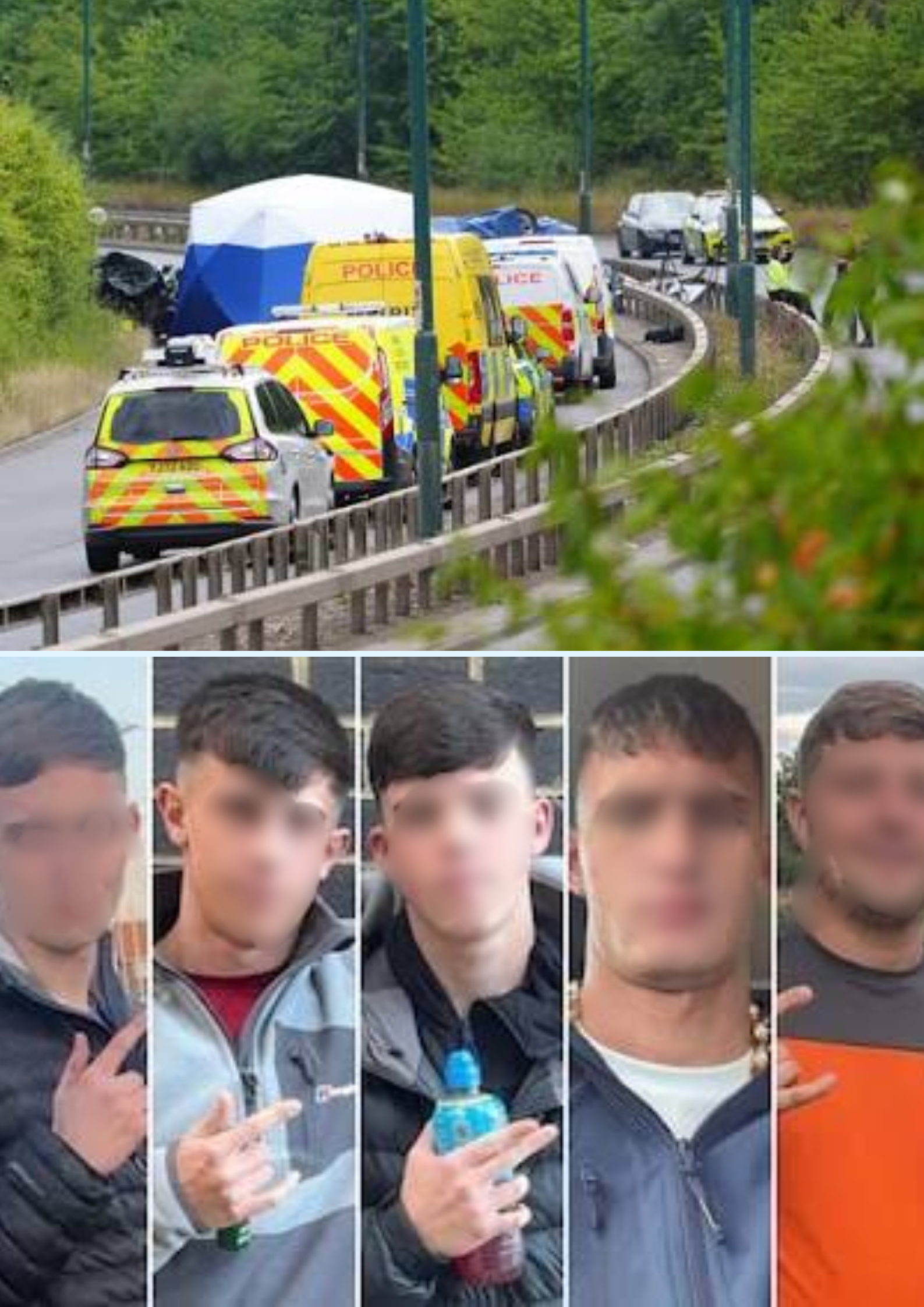
Makai Saddington, 18, was among five young people traveling in a Volkswagen Passat that was allegedly driven the wrong way along the A66 before colliding with a police vehicle.
The horrific crash claimed seven lives, including police officers Matthew Blades and Tom Clough.
Now, attention has turned beyond the collision itself to the digital footprint surrounding some of the young people involved.
Saddington had reportedly shared videos appearing to show reckless driving and police pursuits months before the fatal crash. The footage has raised concerns about a growing trend in which dangerous driving is filmed, posted and shared online for attention.
 Officials and road-safety campaigners are increasingly concerned that this type of content can normalize behavior that puts lives at risk.
Videos showing speeding, dangerous maneuvers and attempts to evade police can quickly attract views and engagement. What may appear online as entertainment, however, can have devastating consequences when viewers — particularly young or inexperienced drivers — attempt to copy what they see.
The A66 crash has therefore reignited a difficult question:
When does dangerous driving content stop being “just a video” and become part of a culture that encourages reckless behavior?
SEVEN LIVES LOST
The scale of the A66 tragedy has left families, emergency responders and communities devastated.
Among those killed were officers Matthew Blades and Tom Clough, who were carrying out their duties when the police vehicle was struck.
The loss has also highlighted the dangers faced by emergency workers on Britain’s roads.
For the families of those who died, the consequences extend far beyond a single night. Parents, partners, children and friends have been left to deal with an unimaginable loss.
 A WARNING ABOUT WHAT PEOPLE SEE ONLINE
Social media has transformed the way dangerous driving is recorded and consumed.
A driver can now film an incident, upload it within seconds and potentially reach thousands of people.
The attention generated by such videos can create a dangerous feedback loop: the more extreme the behavior, the more attention it may receive.
Road-safety advocates fear that this can make reckless driving appear exciting rather than life-threatening.
The concern is particularly significant among younger drivers, who may be influenced by online personalities, viral trends or peer pressure.
That does not mean every person who watches such content will imitate it.
But officials are increasingly asking platforms to consider whether videos that celebrate or encourage dangerous driving should remain easily accessible.
THE INVESTIGATION CONTINUES
The circumstances surrounding the A66 collision remain under investigation.
Authorities are continuing to examine what happened before the crash, including the movements of the vehicles involved and the events leading up to the devastating collision.
Any social-media material relevant to the investigation could potentially form part of that wider picture.
However, online videos alone do not establish someone’s intent or prove that social media caused a particular act.
That distinction is important as investigators work to separate confirmed evidence from speculation.
A WIDER CONVERSATION FOR BRITAIN
The A66 tragedy has now become about more than one crash.
It has prompted renewed questions about how Britain responds to dangerous driving, how young motorists are influenced by online content and what responsibility social-media companies should have when reckless behavior becomes viral.
Platforms have systems designed to identify and remove harmful material, but critics argue that dangerous driving videos can still circulate widely before action is taken.
The debate is likely to continue as authorities examine the digital evidence connected to the A66 case.
For families who lost loved ones, however, the issue is painfully simple.
A moment of reckless driving can become irreversible in seconds.
And when that moment is filmed and shared online, its consequences can reach far beyond the people who were there.
Seven lives were lost in one devastating collision.
Now Britain is being forced to confront a wider warning:
Dangerous driving should never become entertainment — and a viral video is never worth a human life.