Archaeologists Say They Have Identified the Lost Biblical City Where Jesus Performed Miracles
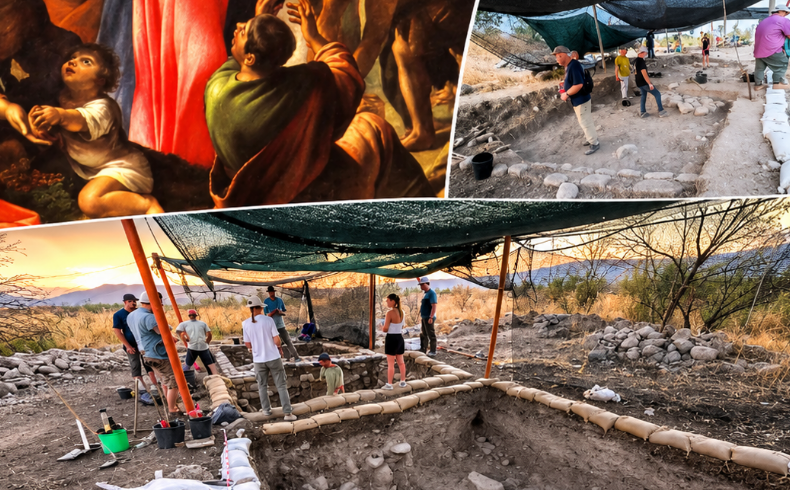
Archaeologists Say They Are “Absolutely” Convinced They Found Ancient Bethsaida
After roughly a decade of excavations, an archaeological team led by Dr. Steven Notley says it is “absolutely” convinced that the ancient city of Bethsaida has been identified at the el-Araj archaeological site on the northern shore of the Sea of Galilee in Israel.
The identification remains a matter of scholarly interpretation, but researchers say the growing body of archaeological evidence strongly supports the connection.
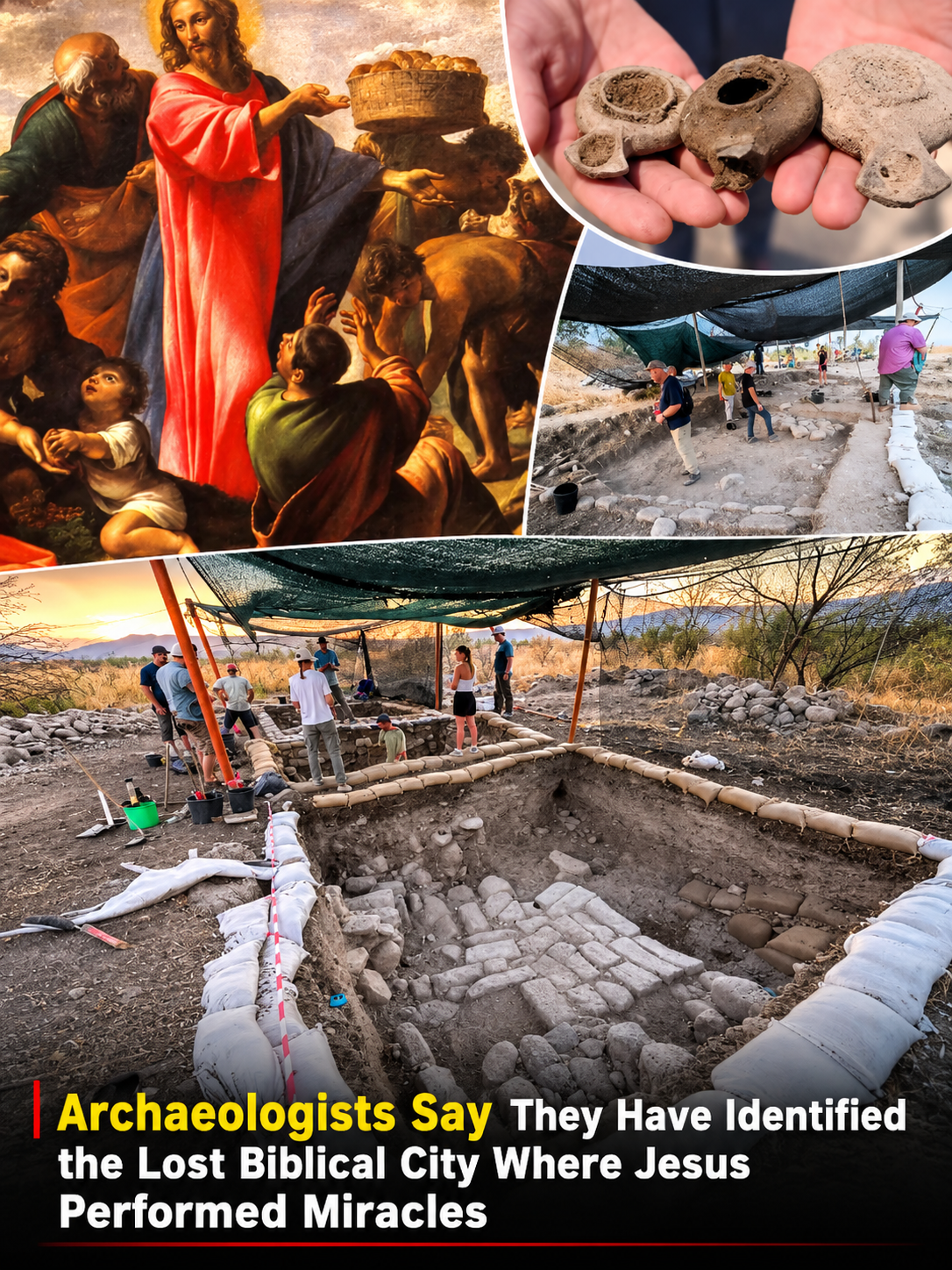
What Have Archaeologists Discovered?
Excavations at el-Araj have uncovered a wide range of artifacts and structures spanning different historical periods.
Among the discoveries are:
- Herodian oil lamps
- Ancient coins
- Pottery and limestone artifacts
- Basalt grinding tools
- Roman-period walls and architectural remains
- Remains of houses and public buildings
- Byzantine-era architectural layers
- An ancient church
Researchers say several of the discoveries date to the Roman period and the first century, the era traditionally associated with the Bethsaida described in the Gospels.
Evidence Compared With the Gospels
The research team believes the archaeological record at el-Araj corresponds with descriptions of Bethsaida in the New Testament Gospels.
Bethsaida is described as an important settlement associated with several figures and events in the life of Jesus. According to the researchers, the combination of first-century artifacts, settlement remains and evidence of a substantial urban community provides a compelling case for identifying el-Araj with the ancient city.
The presence of later Byzantine structures, including a church, also adds another layer to the site’s history and its apparent importance to early Christian communities.
After approximately 10 years of excavation, Notley’s team considers the accumulated evidence sufficient to state with strong confidence that el-Araj is ancient Bethsaida.
However, the identification should still be understood as an archaeological interpretation rather than an independently proven fact, as scholars continue to evaluate the evidence and debate the precise location of the biblical city.
Source: Ny post