SHE HAS ENDURED ENOUGH? THE LINDSAY CLANCY CASE JUST TOOK ANOTHER TURN — AND ONE DETAIL IS PUTTING THE EVIDENCE BACK UNDER THE SPOTLIGHT
SHE HAS ENDURED ENOUGH? THE LINDSAY CLANCY CASE JUST TOOK ANOTHER TURN — AND ONE DETAIL IS PUTTING THE EVIDENCE BACK UNDER THE SPOTLIGHT
For more than three years, the Lindsay Clancy case has divided public opinion.
Some have focused on her documented mental-health struggles and the defense argument that she was experiencing severe postpartum psychosis.
Others have argued that the evidence surrounding the deaths of her three children should remain the central focus.
Now, after a trial lasting nearly six weeks, there is still no verdict.
And that distinction matters.
 THE JURY COULD NOT AGREE
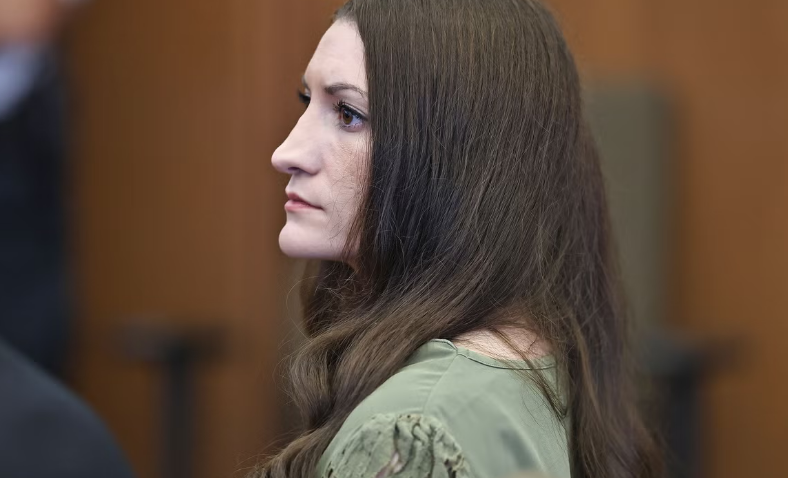
After seven days of deliberations, the 12-member jury told Judge William Sullivan that it could not reach a unanimous decision.
The judge ultimately declared a mistrial on September 4.
That does not mean Lindsay Clancy was found not guilty.
It also does not mean the prosecution’s case was rejected.
The charges remain unresolved, and prosecutors must now decide whether to seek a new trial or pursue another legal resolution. A further hearing is scheduled for September 29.
 THE CENTRAL ISSUE WAS CRIMINAL RESPONSIBILITY
Clancy has not disputed that she caused the deaths of her three children — Cora, 5, Dawson, 3, and Callan, 8 months.
The battle in court centered on why she did it and, more importantly, whether she was legally responsible for her actions at the time.
Her defense argued that she was suffering from postpartum psychosis and lacked the capacity to understand the wrongfulness of what she was doing.
Prosecutors presented a very different interpretation, arguing that Clancy had planned the acts and understood that they were wrong.
That conflict over her mental state ultimately became the heart of the trial.
NOW THE CASE STARTS A NEW CHAPTER
The mistrial leaves both sides facing difficult decisions.
The prosecution could seek another trial with a new jury.
The defense could continue fighting for a finding that Clancy was not criminally responsible.
A plea agreement or another resolution could also be considered.
But as of now, nothing has been decided.
Plymouth County District Attorney Timothy Cruz has said prosecutors have not yet made a decision about a retrial.
And that means the controversy surrounding this case is far from over.
Three children are still at the center of it.
A mother remains in a psychiatric hospital.
And a jury that heard weeks of testimony could not reach the one conclusion the law required.
So the question now isn’t simply what happened inside that Massachusetts home.
It is:
What will prosecutors do next — and will a second jury finally reach the verdict the first jury could not?
👇 The specific evidence and courtroom details behind the competing arguments deserve to be examined carefully before anyone decides what this case means.