NOAH DONOHOE’S MUM FOUGHT FOR SIX YEARS FOR ANSWERS — NOW HIS INQUEST HAS FINALLY REVEALED A TRAIL OF FAILINGS
NOAH DONOHOE’S MUM FOUGHT FOR SIX YEARS FOR ANSWERS — NOW HIS INQUEST HAS FINALLY REVEALED A TRAIL OF FAILINGS
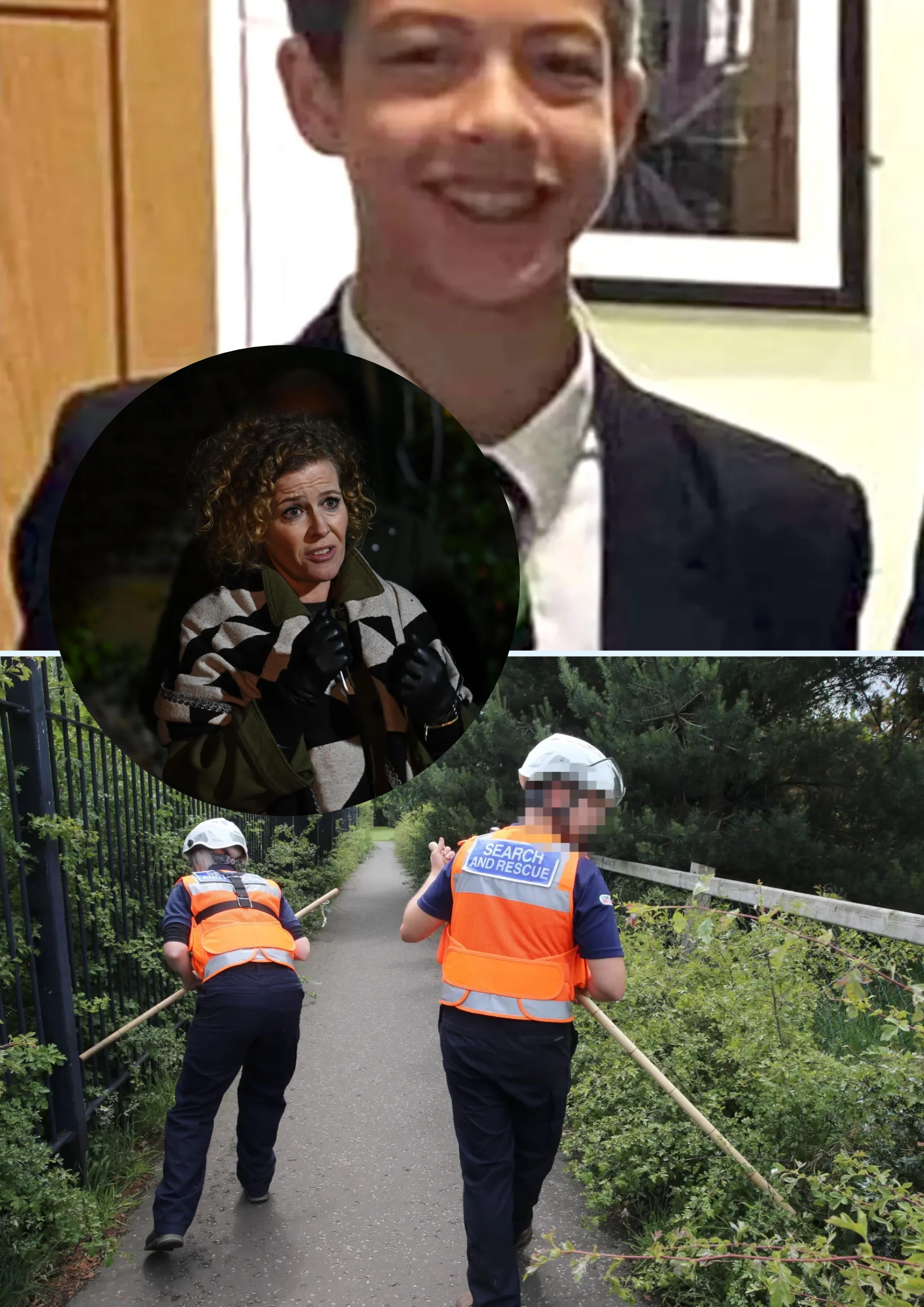
Fiona Donohoe never stopped searching for answers after her 14-year-old son disappeared in Belfast in 2020. After a five-month inquest, a jury found multiple investigative failings — but many questions surrounding Noah’s final hours remain unresolved.
For more than six years, Fiona Donohoe has carried the grief of losing her only child while publicly demanding answers about what happened to him.
Noah Donohoe was just 14 when he disappeared in Belfast in June 2020.
Six days later, his body was discovered inside an underground water tunnel in north Belfast.
A post-mortem examination concluded that he had drowned. But the circumstances surrounding his death remained the subject of intense public scrutiny, eventually leading to one of Northern Ireland’s longest-running and most closely watched inquests.
Now, after months of evidence and deliberations, the inquest has concluded with the jury identifying a series of failings in the investigation — while stopping short of finding that police failings contributed directly to Noah’s death.
 A MOTHER WHO REFUSED TO STOP ASKING QUESTIONS
From the moment Noah went missing, Fiona became one of the most visible voices in the search for her son.
During the initial police appeals in June 2020, she publicly pleaded for help as an enormous search operation unfolded across Belfast.
When Noah was eventually found dead, Fiona continued demanding answers.
She later became the driving force behind Noah’s Army, a campaign that attracted widespread public support and pushed for greater scrutiny of the investigation. A petition connected with the campaign gathered almost 300,000 signatures.
For Fiona, the search did not end when Noah was found.
It changed into a search for an explanation.
 SIX YEARS LATER, THE INQUEST FINALLY REACHED ITS CONCLUSION
The inquest began in January 2026 and heard evidence from 76 witnesses, alongside statements from another 42 people.
The court examined CCTV footage, photographs, maps, police logs and expert evidence as jurors considered ten questions surrounding Noah’s death.
Fiona attended every day of the lengthy proceedings.
The jury ultimately found that it was possible, but not probable, that failings by Northern Ireland’s Department for Infrastructure contributed to Noah’s death because access to the water culvert had not been adequately secured.
The jury did not find that police failings contributed to Noah’s death.
However, jurors identified 13 failings in the police investigation, including problems involving CCTV, search procedures and the handling and documentation of evidence. Those failings were found to have hampered the ability to establish what happened.
 THE CCTV QUESTIONS
One of the most significant issues raised during the inquest concerned CCTV evidence.
Footage showed Noah’s movements on the day he disappeared, including increasingly unusual behaviour before he eventually entered the area where the storm-drain system was located.
Questions were raised about how some footage had been handled and whether important evidence had been identified and examined quickly enough.
The problems surrounding the investigation became a major part of the inquest as Fiona continued to seek a clearer explanation of her son’s final movements.
WHAT HAPPENED TO NOAH REMAINS A PAINFUL QUESTION
The court heard extensive evidence about Noah’s state of mind and his behaviour before his disappearance.
But the coroner previously warned jurors that there was insufficient evidence to conclude that Noah had been assaulted by another person, was under the influence of drugs, had experienced an acute mental-health episode, had taken his own life, or that a third party was responsible for his death.
That distinction is important.
The inquest was a fact-finding process, not a criminal trial, and the jury was specifically instructed to base its findings only on the evidence heard in court.
FIONA’S EMOTIONAL RESPONSE
Following the conclusion of the inquest, Fiona said she had gone to court seeking answers and left with one clear conclusion:
“Noah was failed.”
In a statement read outside Belfast Coroner’s Court by her solicitor Niall Murphy, she said she believed her son had been failed by both the Department for Infrastructure and the PSNI.
She also thanked the jury, the coroner, her family and the thousands of people who had supported her campaign over the years.
Fiona described Noah as her “greatest gift in life” and said she misses him every minute of every day.
THE BOY BEHIND THE HEADLINES
During the inquest, Noah was remembered not simply as the teenager at the centre of a mystery, but as a much-loved son, friend and student.
Evidence described him as highly intelligent, ambitious and curious.
He was a pupil at St Malachy’s College and had ambitions of studying medicine.
Friends and family remembered his kindness, loyalty and positive personality — a picture that made his final movements all the more difficult for those who knew him to understand.
SIX YEARS ON
Noah’s death began with a desperate search across Belfast.
It ended with the discovery of a 14-year-old boy in an underground water tunnel.
But for his mother, the years that followed became another kind of search — a search for accountability, transparency and an explanation of how the investigation unfolded.
The inquest has now identified significant shortcomings.
Yet it has not answered every question surrounding Noah’s final hours.
And Fiona Donohoe has made clear that her fight to preserve her son’s memory and seek answers will continue.
Six years after Noah disappeared, his mother is still carrying the questions she has never been able to put down.